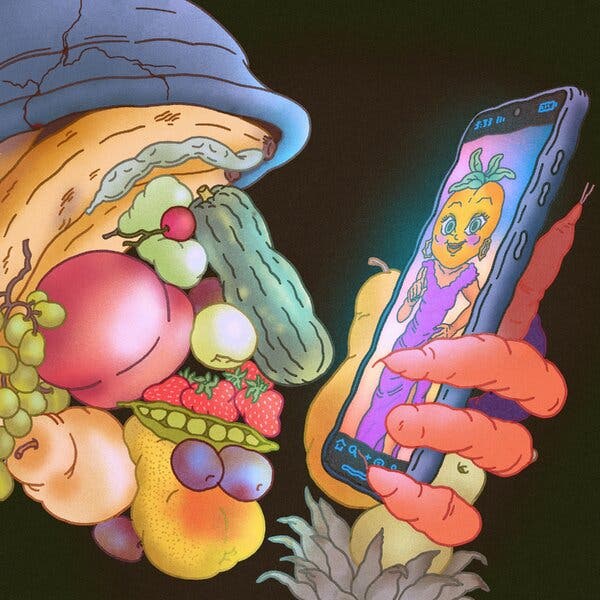
In March, the TikTok account ai.cinema021 released “Fruit Love Island,” an A.I.-generated dating show featuring humanoid fruits. These fruits display exaggerated sexual characteristics and engage in clichéd yet odd conversations. For example:
Bananito: I’m here to have fun and probably break a few hearts.
Orangelo: [Laughs.] Bro said the quiet part out loud.
The show contains numerous continuity errors, such as changes in clothing and settings, and often includes gratuitous backflips. Despite these issues, the show went viral, with each episode amassing over 10 million views. This visibility led to spinoffs like “Fruit Paternity Court” and a drama about pregnant broccoli.
The virality of “Fruit Love Island” suggests two possibilities: people either enjoyed it and shared it, or they were outraged and shared it. The latter seems more likely, as viewers might want to express their discontent with today’s culture by sharing the content with others.
Some observers see these fruit videos as a new low in internet culture. It has taken a show like “Love Island,” which already raised cultural concerns, and made it even simpler. BBC News highlighted this comparison, suggesting the A.I. fruit version took reality TV’s crassness to a new level. Consequently, it was ideally suited for social media, becoming fodder for clips and mentions on various platforms.
Despite their flaws, videos like “Fruit Love Island” offer an unexpected benefit: they create a shared cultural touchpoint. With A.I. content flooding social media, users quickly recognize and often criticize it.
In its omnipresence, A.I. content could revive the concept of monoculture. This was a time when TV, movies, and music were simultaneously consumed by enough people to make culture a shared experience. Viewers could discuss characters like Steve Urkel from “Family Matters,” sparking instant recognition and conversation, something lost amid today’s personalized entertainment algorithms.
The golden age of monoculture ran from the 1950s to the 1990s, dominated by network television. Three or four major channels aired to tens of millions of households, who watched the same shows as everyone else. As TiVo technology emerged, this commonality waned, yet at that time, the aim was to attract a broad audience, often at the expense of artistic quality.
 Controversial Sneaker Ad Sparks Backlash
  New Pub Opens at the British Embassy in D.C.
  Sir Don McCullin’s Lasting Legacy Through the Lens of War
  Artistic Chronicle of Communities’ Recovery Post-Hurricane Helene
  Chicago History Museum’s Latin American Exhibit Sparked by Student Protests
 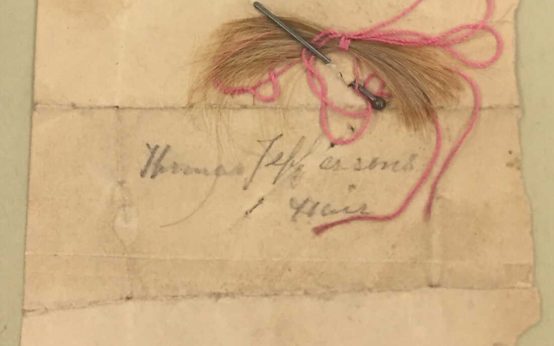 DNA Links Jefferson to Hemings Descendants