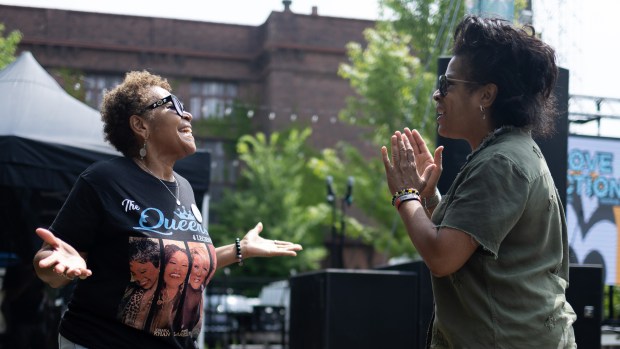
The pride flag peeking out of Jordan Scott’s backpack danced with each of his steps. As he moved to the DJ’s music at Pride South Side on Sunday, he experienced something unique. Rochelle Robinson-Dukes from Hyde Park joined Kennette Crockett from Uptown in a dance at the DuSable Black History Museum during the Pride South Side event in Chicago’s Washington Park community on July 5, 2026. ‘I chose this over North Side events,’ said the Beverly resident attending for a second time. ‘I love the vibe, the atmosphere, and the people.’
The South Side festival celebrates Black and Brown LGBTQ+ Chicagoans in its eighth year, offering music, drag shows, panels, and tours at the DuSable Black History Museum. Chris Huerta, community health program manager at Brave Space Alliance, believes this festival provides necessary shared space, making Pride more accessible to South Siders. ‘It brings community to our backyard,’ she noted, adding a unique piece of joy for people of color.
‘At his table, artist D. Little displayed twelve embroidered landscapes, or “little worlds,” alongside a large tapestry of Octavia Butler. Although vendor fees at larger North Side events are higher, Little found it affordable to participate here. The Bronzeville resident said he skipped the city’s main Pride parade. ‘I don’t feel seen there,’ he commented. ‘This feels like my pride.’
Oriana Koren, from Edgewater, observed ‘the entire spectrum of Chicagoans’ at the festival. ‘It’s a reminder we are less divided than we think,’ he added. He began collecting Black art in 2016 amid fears of censorship under President Donald Trump, aiming to pass on knowledge through art despite suppression. ‘We’ve survived forced illiteracy,’ Koren stated. ‘We can find crucial information in each other.’
Attendees explored Koren’s vendor table with interest. Adrienne Irmer’s vision for the festival included such vendors after a 2018 study revealed higher HIV infection rates on the South and West sides. ‘These are historically under-resourced and vulnerable communities,’ Irmer noted. ‘Cultural festivals connect in relevant ways. We thought, why not merge that with healthcare?’
Health groups were integrated among vendors and music. Jordan Braxton from Vivent Health distributed materials, including Narcan and HIV awareness resources, highlighting their culturally sensitive care. ‘There’s mistrust in the medical field among the Black queer community,’ she explained. ‘We’re here to regain that trust.’
Voting materials were present in response to proposed budget cuts to HIV funding. Federal challenges to queer healthcare concerned Ken Remé from Impulse Chicago, who encouraged advocacy to Congress for medication protection like PrEP.
Various involvement methods were available. Remé participated by encouraging sign-ups for healthcare information. He mentioned that standard information methods aren’t always effective. ‘Places where people look like you are crucial,’ he said, emphasizing the importance of community connection.
Paulo Colby headed to the fitness section after listening to Antonio King, the city’s first LGBTQ+ affairs director. Attendees engaged in pilates and volleyball, encouraging health awareness. Colby, owner of Continuum fitness studio, said, ‘If community values self-care, so will individuals.’ He stressed the importance of accessible pride events, noting that North Side events might be inaccessible or unwelcoming.
In a blend of books, yoga, music, and food, a space for free self-expression emerged, he observed. ‘It’s necessary,’ he concluded.
 Charles Spencer Reflects on Diana’s Legacy and Controversial Times
  National Museum of African American History Celebrates 10th Anniversary with Powerful Exhibit
  Race Against Time: Preserving Quinhagak’s Archaeological Heritage
 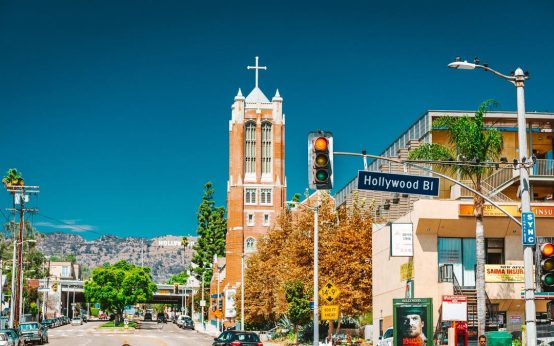 Karen Covell’s Influence on Hollywood’s Prayer Network
  Review: The Birth of the Pill at TimeLine Theatre
  Celebrating Nelson Algren’s Legacy: A Chicago Tavern Tour