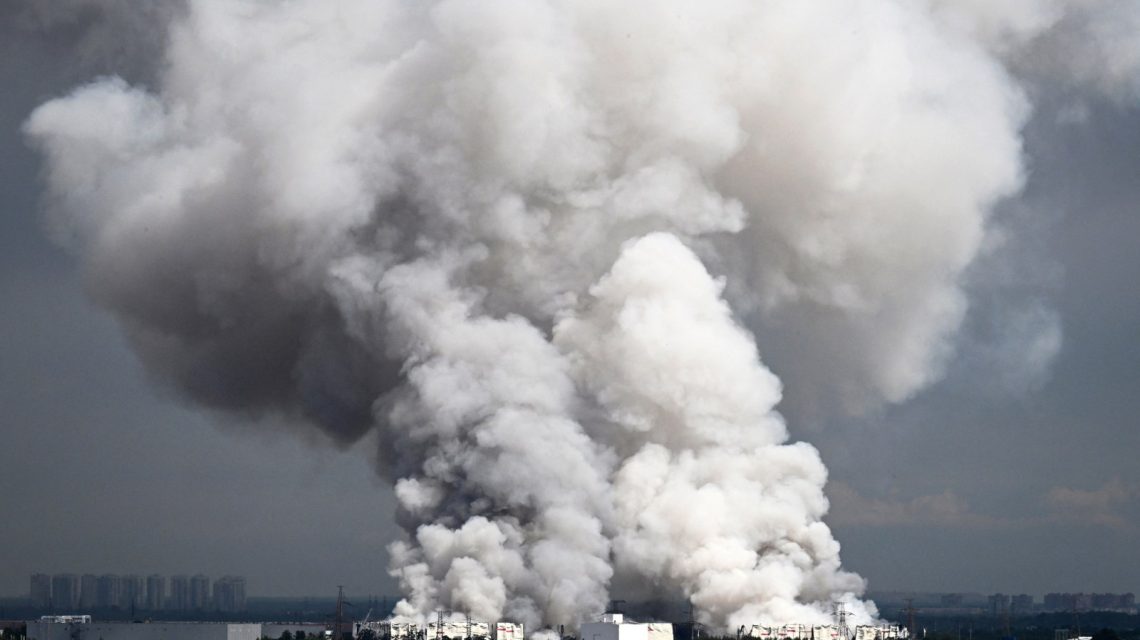
Wildberries, a lesser-known but significant player in the Russian e-commerce market, is gaining attention. The company has faced substantial challenges recently as Ukrainian drones have targeted its logistics hubs. These attacks occurred in regions near Moscow, St. Petersburg, Krasnodar, and the occupied area of Simferopol. As a result, Wildberries lost over 10% of its warehouse capacity. Rebuilding these hubs is estimated to cost around $460 million. In addition, the destruction of merchandise, belonging mainly to small Russian businesses now facing financial ruin, could result in billions in losses.
Ukraine’s strikes on Russia have broader implications beyond Wildberries. The attacks have incapacitated a significant portion of Russian refining capacity. Consequently, Russia, known for being a major energy exporter, struggles to fuel its own regions. These recent developments coincide with Donald Trump’s presidency. Critics often labeled Trump as aligned with Russian interests, yet his policies towards Russia arguably achieved more than others since the Soviet Union’s dissolution. Under Trump, unlike his predecessors, Russia did not annex new territories or expand its influence.
Shift in U.S. Strategy
Trump’s approach toward Russia differed not because he initially understood Vladimir Putin any better, but due to the rapid adjustment of his policies. Unlike previous presidents such as George W. Bush, Barack Obama, and Joe Biden, who experienced significant challenges with Russia, Trump’s administration demonstrated a quicker response.
Beginning with a rocky start in his second term, Trump’s administration initially leaned towards terms favorable to the Kremlin. However, as negotiations with Volodymyr Zelensky of Ukraine stalled, Trump quickly recognized Russia’s unwillingness for genuine compromise. Unlike his predecessors who faced more severe provocations, Trump’s administration shifted strategies after a few challenging meetings.
Key Strategies and Outcomes
The updated U.S. approach during Trump’s tenure relied on two central pillars. The first pillar involved giving Ukraine more freedom in its defense strategy. While European nations provided financial support, the U.S. supplied military aid. More critically, Ukraine held autonomy over its military actions. This policy shift allowed for more aggressive strategies, such as targeting fuel refineries and logistics centers, illustrating the effects of having fewer restrictions.
The second strategic pillar involved expanding U.S. influence in post-Soviet states. With Russia preoccupied with Ukraine, the U.S. made diplomatic and economic advances in regions like the South Caucasus. Trump facilitated a significant peace agreement between Armenia and Azerbaijan, which concluded a prolonged conflict. Further, economic partnerships with Kazakhstan and Uzbekistan strengthened, enhancing their ties with the U.S. and diminishing reliance on Russia.
These strategic movements address the longstanding tensions these countries have faced under Russian influence. With the ongoing conflict in Ukraine, nations such as Kazakhstan see the survival of Ukraine as linked to their own. Their leaders, like Aliyev and Tokayev, have expressed support for Ukraine, acknowledging Putin directly in some settings.
The Bigger Picture
While Trump’s administration played a role in these developments, it is crucial to note that Putin’s own policies significantly weakened Russia. His kleptocratic management style and the initiation of a highly destructive invasion put Russia in a vulnerable position. The current lack of stability in Russia might persist as its neighbors increasingly align with alternative partners like the U.S.
The actions and statements from leaders in former Soviet territories suggest a shift in regional dynamics. Joseph Epstein, the director of the Turan Research Center, provides an insight into these developments, emphasizing the unintended consequences of Putin’s long-term strategies.
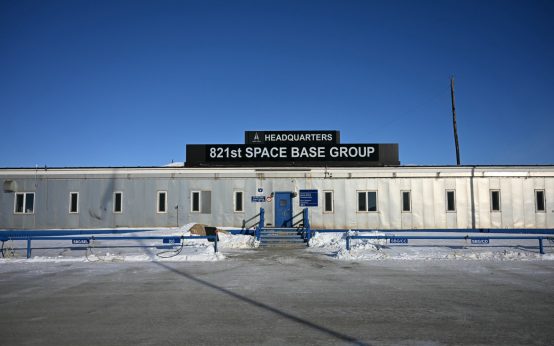 New U.S. Military Bases Planned in Greenland Amid Strategic Security Deal
  Challenges Facing the Supreme Court’s Public Perception
  California Democratic Aide Arrested for Visa Overstay by Federal Authorities
 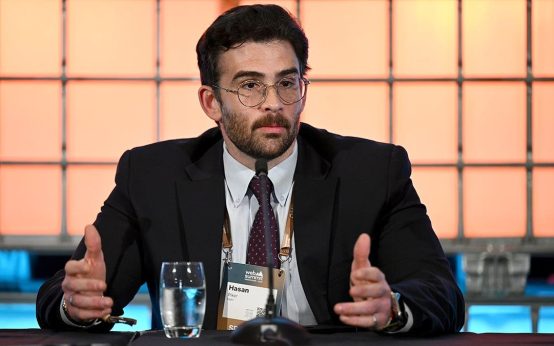 Twitch Streamer Hasan Piker Discusses Controversial Commentary
  Experts Doubt Export Ban Will Lower Fuel Prices
  A Shifting Political Landscape: The Decline of Autocratic Power