
The threat of hackers using artificial intelligence to infiltrate water utilities is increasing, according to cybersecurity expert John Walsh. He emphasizes that AI accelerates the identification of vulnerabilities in operational technology systems faster than defenders can patch them.
Walsh, the field chief technology officer at cybersecurity firm IGEL, highlighted that AI is quickening cyber threats aimed at crucial infrastructure, including water treatment plants and energy facilities.
The Impact of Geopolitical Tensions
Geopolitical tensions and the advent of advanced AI capabilities have exacerbated the threat to industrial control systems. Walsh noted, “The urgency is being increased by both geopolitical situations and AI use.” This is particularly concerning for water and wastewater systems, which often operate with limited resources and obsolete infrastructure.
CISA and international partners issued a warning about threats targeting Siemens PLCs. These controllers help automate operations at water treatment and other critical infrastructure sites.
Potential Consequences of Cyberattacks
Successful attacks on water utilities could disrupt access, damage public confidence, and influence other sectors like food production and healthcare. Walsh remarked, “When targeting key controllers like those from Rockwell and Siemens, you’re impacting many other processes and facilities.” The broader impact could include agriculture, heavily reliant on automated systems.
Recurring Threats
Federal agencies regularly warn about cyber threats in the water sector. Walsh points to multiple attacks, including those linked to Iranian actors and other nation-states. He observes, “This pattern isn’t new. Recent years show a progression in attack methodologies, especially involving major industrial technology platforms.”
Mentioning smaller utilities, he noted, “Limited staff and budgets make them easier targets.”
Mechanics of an Attack
Hackers may manipulate industrial systems without detection. Facilities mostly depend on PLCs to automate processes. A cyberattack can mislead operators into believing systems are functioning correctly. Walsh explained, “We use chemicals to purify water and take measurements for acceptability. Cyberattacks might indicate normal operations despite malfunction.” He compared this to the Stuxnet incident where centrifuges falsely reported proper functioning.
The Role of AI in Cyber Threats
Walsh explained how AI aids attackers in identifying vulnerabilities, analyzing software, and modifying attack techniques rapidly. “AI helps adversaries find vulnerabilities and exploit them quickly,” he said. AI also allows attackers to alter malware, challenging traditional defenses.
Defensive AI is essential but not sufficient. “A prevention-based security model for critical infrastructure is imperative,” he asserted. Moreover, AI models themselves must be secure to prevent adversaries from misguiding decision-making algorithms.
Adapting to Evolving Threats
Walsh highlights the fast evolution of cyber threats. He cautioned, “New vulnerabilities will be discovered, especially with AI. We must prepare our systems to handle them.”
Protective Measures for Consumers
Though sophisticated attacks don’t directly target individuals, there are ways consumers can enhance cybersecurity.
- Use multi-factor authentication and strong password management.
- Stay aware of phishing attempts.
Additionally, consumers can advocate for enhanced security measures in their communities. Walsh stressed the importance of turning cybersecurity recommendations into legal standards similar to mandatory vehicle safety features. He added that some homeowners opt for filtration systems, but securing public infrastructure is the more crucial long-term solution.
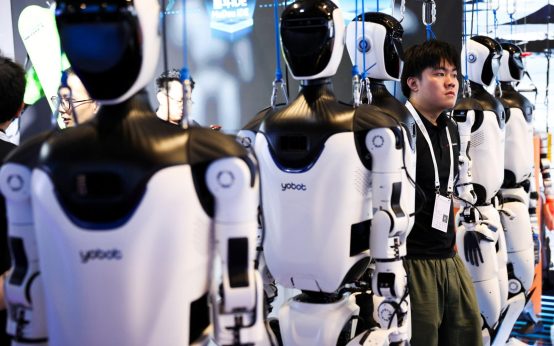 AI’s Impact on Employment in China’s Rapidly Evolving Job Market
  Autonomous AI Agents Breach Systems in Unprecedented Cyberattack
 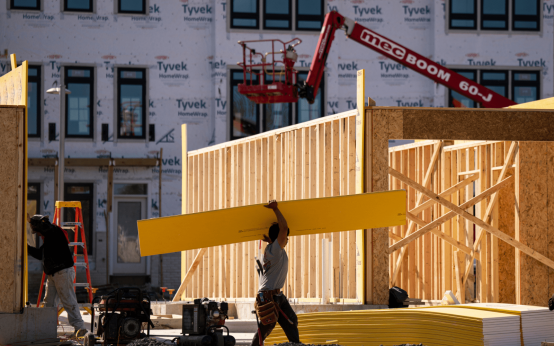 Impact of AI Infrastructure on U.S. Housing Market
  Ukraine Gains Access to European Military Technology
 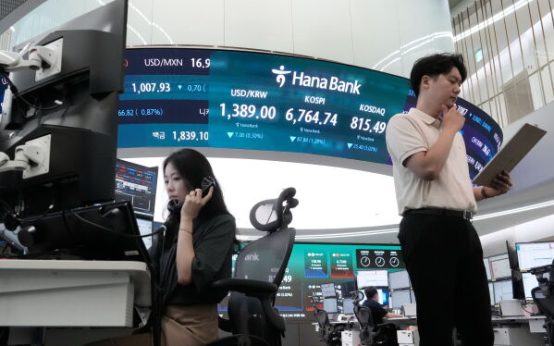 The Impact of Artificial Intelligence on China’s Job Market
  Oregon Politics and the Role of AI Data Centers