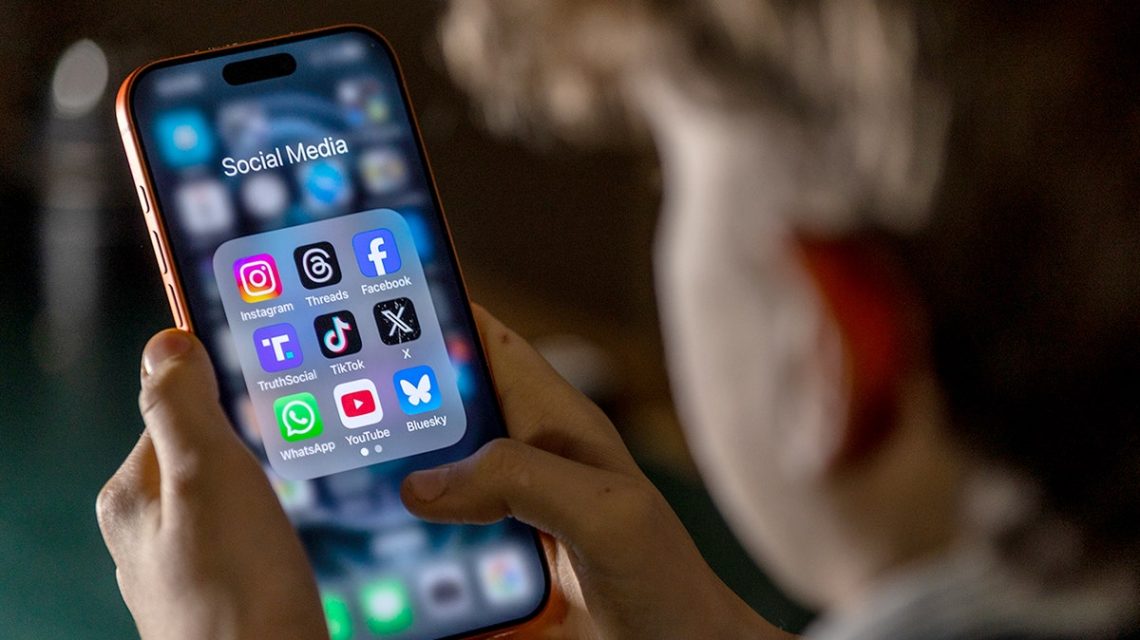
You post photos from a concert on Instagram. The next day, an email arrives offering exclusive photos from that event. It mentions specifics about the concert you attended, making it seem legitimate. But researchers at the University of Texas at Arlington warn that scammers could use artificial intelligence to make this happen. Their study shows how freely available AI tools can transform personal details from public social media accounts into highly convincing phishing emails.
The technology has made creating personalized phishing messages much simpler. Think about what you have shared online. Could your posts be used to make a convincing email scam? This research indicates that the answer is yes.
AI-Generated Email Scams
You might know the common tactics of phishing emails. However, AI is allowing scammers to personalize their approach. Researchers explored a method named context-aware spear phishing, which uses personal details to create seemingly personalized scams.
Suppose you posted about a vacation in Brazil. A scammer could analyze these posts to send an email that appears to be from your hotel offering a discount on future visits. Such personalized messages make it challenging to discern genuine emails from fake ones. The study found even a few social media posts can be enough to create highly targeted phishing messages.
Research Findings
The research team examined 200 public Instagram accounts. They discovered that AI could analyze as few as ten posts to generate convincing emails. The researchers evaluated more than 18,000 AI-generated emails, comparing them with thousands of real phishing messages. They found the AI could tailor subject lines, sender names, and content to match recent user experiences.
People involved in the study generally found AI-generated emails more convincing than real-world examples. Despite being a controlled test, the experiment raises concerns about how easily personal information can be misused.
Challenges in Spotting Personalized Phishing Emails
Scammers might not need to hack your account. If your social media profiles are public, they can glean enough information to craft believable scams. An email referencing a restaurant you recently visited might feel familiar, prompting you to trust it more.
AI-generated emails can appear polished without the typical errors that usually indicate phishing scams, such as misspellings. The appearance of professionalism poses an increased threat to unwary users.
AI Safety Filters’ Limitations
Although AI companies implement safety measures to prevent phishing scams, these safeguards have weaknesses. The researchers tested three safety tools: Llama Guard, ShieldGemma, and WildGuard. With default settings, the tools struggled to detect phishing attack requests.
Updating the tools to recognize context-aware phishing increased detection rates. Still, this result does not ensure real-world success. The researchers emphasized improving these measures to combat targeted attacks.
Protecting Yourself from AI Phishing Scams
Even mundane social media posts can empower scammers. Here are practical ways to protect against phishing scams:
- Make social media accounts private. Limit access to your posts.
- Carefully share locations. Avoid posting real-time travel plans.
- Verify emails before clicking links. Independently check suspicious emails.
- Use robust antivirus software. It can warn against dangerous sites.
- Consider personal data removal services. Reduce information available to scammers.
- Employ strong passwords and multifactor authentication for accounts.
- Keep devices and security software updated. Enable email security filters.
Actions After Clicking a Suspicious Link
If you suspect a phishing attack:
- Stop interacting with the site immediately.
- Scan your device for malware.
- Change compromised passwords.
- Review account activity for unauthorized access.
- Contact your bank if financial details were shared.
- Report the scam to authorities.
This research highlights the growing threat of personalized phishing scams. AI makes scammers more effective at earning trust by capitalizing on shared experiences. It’s crucial to be aware of what you post publicly and stay vigilant for unexpected emails.
 The Future of Nvidia Amidst CEO Jenssen Huang’s Controversy
 Nvidia CEO Jensen Huang Faces Shareholder Lawsuit Over Alleged Affair With Accused Chinese Spy
 Jensen Huang Drops Out of Top 10 Richest Individuals Due to Nvidia Stock Decline
 Nvidia CEO Faces Scrutiny Amid U.S.-China Tensions
 How to Safely Use Electric Blankets and Explore Alternatives for Winter Warmth
 How 4 Tech CEOs Navigated Relationship Scandals