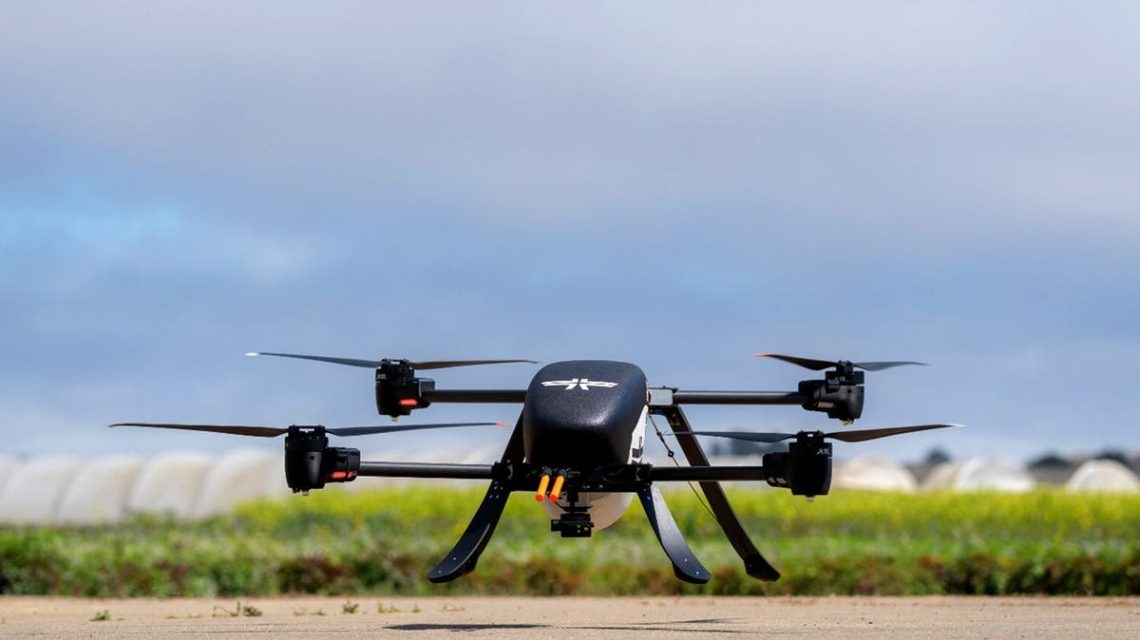
Wildfires can grow rapidly, especially in remote areas. A small ignition can expand while crews are en route. A new generation of AI-powered firefighting drones aims to reduce this response time. Recent tests by CAL FIRE and XPRIZE competitions showcase the potential of these technologies.
Testing in California and Alaska
CAL FIRE recently partnered with Seneca to test autonomous suppression drones. These trials focused on detecting fires early and applying suppressant before they expand. In Alaska, the XPRIZE Wildfire competition put similar systems to the test, assessing speed, accuracy, and effectiveness.
Addressing Climate-Sensitive Wildfires
According to NOAA, human-induced warming is linked to larger and more severe wildfires in the western US. Factors like longer wildfire seasons create urgency for faster response times. AI drones could offer a partial solution, reaching remote fires before ground crews.
How the Drones Operate
Seneca’s drones use AI and computer vision to identify flames. They deliver aerated Class A foam to small fires. Though they can’t match airtanker payloads, these drones are well-suited for early attacks and working in challenging terrains. CAL FIRE highlights their potential for use in areas unreachable by traditional ground crews.
Risks and Deployment
Autonomous systems tested in Alaska had to operate entirely without human intervention. Dryad Networks, for example, combined environmental sensors with drones to detect and respond to early-stage fires.
Despite being promising, these systems face real-world challenges. Conditions like winds, terrain, and safe interactions with other firefighting methods need consideration. Constant evaluation and adaptation will be essential moving forward.
Future Prospects
Aspen Fire Protection District has committed to a five-year agreement with Seneca. They plan to use a system capable of deploying drones to fires at an early stage. This marks a transition from testing to practical use. With time, additional regions may adopt such technologies.
Current Detection Systems
AI isn’t new to California’s fire strategy. CAL FIRE collaborates with programs like ALERTCalifornia, which uses over 1,200 cameras and sensors for early detection. Google’s FireSat project also employs satellites for similar purposes. Anticipating fires sooner aids these new drone systems in quick response.
Considerations for Residents
For residents in high-risk areas, this technology offers a hopeful alternative. However, traditional emergency alerts and evacuation plans remain crucial. Officials stress the importance of being prepared to leave promptly if needed. The technology’s strength lies in its ability to stall a fire’s growth, offering firefighters more time.
Autonomous Firefighting Drones and Community Safety
While drones won’t replace large aircraft or seasoned firefighters, their role in rapid response could be pivotal. Fire agencies must develop strategies for integrating autonomous systems alongside human crews. Only then will the full value of these innovations be clear.