
Rising Default Rates Among Borrowers
A significant increase in federal student loan defaults has emerged as pandemic-era protections diminish and shifts occur under different administrative policies. Recent analyses indicate that approximately 9.5 million borrowers are now in default, a substantial rise from 5.3 million in June 2025. This situation means that nearly 20% of federal student loan borrowers are at least nine months behind on payments.
Consequences of Default
Defaulting on student loans can lead to serious repercussions for borrowers. These may include damaged credit, wage garnishment, seized tax refunds, and potential reductions in federal benefits. Despite these severe outcomes, borrowers still have several options to mitigate the harshest collection measures, as advised by financial experts.
Linda Hilton, a 76-year-old retiree from Apache Junction, Arizona, has faced garnishment previously and anticipates managing again. However, this situation might limit her ability to travel and enjoy simple pleasures, such as dining out.
Understanding the Surge in Defaults
Following the end of COVID-era student loan payment pauses, many borrowers have reentered default. This shift was coupled with the cessation of protections that previously shielded them from immediate consequences of missed payments. During the previous administration, efforts focused on simplifying the student loan system, which resulted in significant changes to repayment programs. These changes have led to many borrowers facing higher monthly payments and grappling with inflation.
Federal student loans enter default after 270 days of non-payment. At that point, collection activities may include actions like wage garnishment and Treasury offsets, which can seize tax refunds or certain federal payments.
Options for Borrowers in Default
It is crucial to understand that default is not a permanent state. Various solutions allow borrowers to move forward and regain good standing:
Loan Rehabilitation
This option involves making a series of payments based on income. Successfully completing rehabilitation removes the loan from default and can halt collections. Rehabilitation is typically a one-time opportunity for a defaulted federal student loan.
Loan Consolidation
Borrowers may consolidate their defaulted loans into a new Direct Consolidation Loan. This pathway requires repayment arrangements or an income-driven repayment plan. Consolidation often provides a quicker route out of default, depending on individual circumstances.
Repayment in Full
While paying the entire outstanding balance is an option, it is usually impractical for borrowers facing financial difficulties.
Avoiding Default with Deferment or Forbearance
Borrowers not yet in default should consider deferment or forbearance, which can pause or reduce payments temporarily under certain conditions. This can help avoid default initially. Borrowers are encouraged to contact their loan servicer immediately to discuss available options.
Income-Driven Repayment Plans
Exploring income-driven repayment plans is essential for borrowers facing financial challenges. These plans adjust monthly payments according to earnings rather than the loan balance, offering potentially lower payments.
Borrowers are also urged to consider repayment options under programs such as Income-Contingent Repayment (ICR), Pay As You Earn (PAYE), or Income-Based Repayment (IBR), suitable to their financial situation.
Steps to Take if Struggling
Borrowers facing payment difficulties should:
- Check loan status on StudentAid.gov.
- Update contact information with their loan servicers.
- Contact servicers if the current payments are unaffordable.
- Explore income-driven repayment options.
- Discuss rehabilitation or consolidation if already in default.
Financial experts emphasize the urgency of addressing loan delinquency. Proactively seeking solutions can prevent lasting damage to credit and keep future borrowing opportunities intact.
Current State of Student Loan Repayments
The student loan system continues to evolve with new repayment rules in place. Borrowers, especially those impacted by the end of the SAVE plan, must consider choosing alternative repayment options. It is crucial for struggling borrowers to contact servicers promptly and manage their loan status before slipping into deeper delinquency.
 Republican Senator Criticizes Trump’s $5,000 Check Proposal
  Trump’s Approach to Iran at the United Nations
  Trump’s Triumphal Arch Controversy
 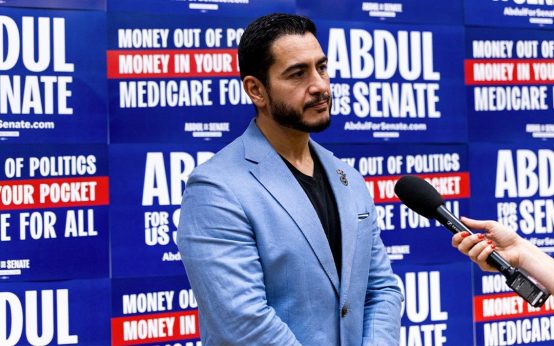 Concerns Over Abdul El-Sayed’s Potential Senate Role and National Security
  Kentucky Governor Andy Beshear Discusses Tariffs, Faith, and Political Ambitions
  Sunday Highlights: Lane Kiffin, Nancy Mace, and College Football Drama