Dr. Marc Siegel, a senior medical analyst, highlights ACTXA’s Core Smart Ring. This ring offers non-invasive glucose monitoring through an AI-powered device. It senses blood flow and pulse, using machine learning to spot high blood sugar. With diabetes rates nearly quadrupling since 2000, technology like this, paired with lifestyle changes, is crucial for improved care.
Introducing iKairos: The Personal AI Guardian
Singapore-based Lingverse aims to create a new level of personal AI with iKairos. This wearable offers proactive assistance by observing users and their environments. Lingverse has raised $29 million for its development. iKairos can turn its camera to gather context, potentially making AI more functional in daily life. This capability raises discussions about convenience, consent, and privacy.
Proactive AI Assistance
Unlike traditional AI assistants waiting for prompts, iKairos seeks to predict user needs. Lingverse describes iKairos as an AI device that anticipates when to offer help. For example, it could remind you of an appointment as leaving time approaches. Although specific tasks remain unconfirmed, Lingverse emphasizes adaptability and routine learning.
Technological Functionality
The iKairos device captures still images and occasionally detects voices. Lingverse assures that no ongoing footage is recorded. The device discards images post-analysis and limits audio capture based on voice detection. All AI processing occurs in the cloud with the user’s consent. Privacy controls include a physical camera shutter and silent mode activation options. Data encryption ensures additional security.
Privacy and Security Considerations
Privacy remains a significant concern due to the inward-facing camera. Lingverse provides features like manual data upload consent and permanent data deletion options. The company allows users to control data retention, offering a physical shutter and silent mode for added privacy.
iKairos Development and Features
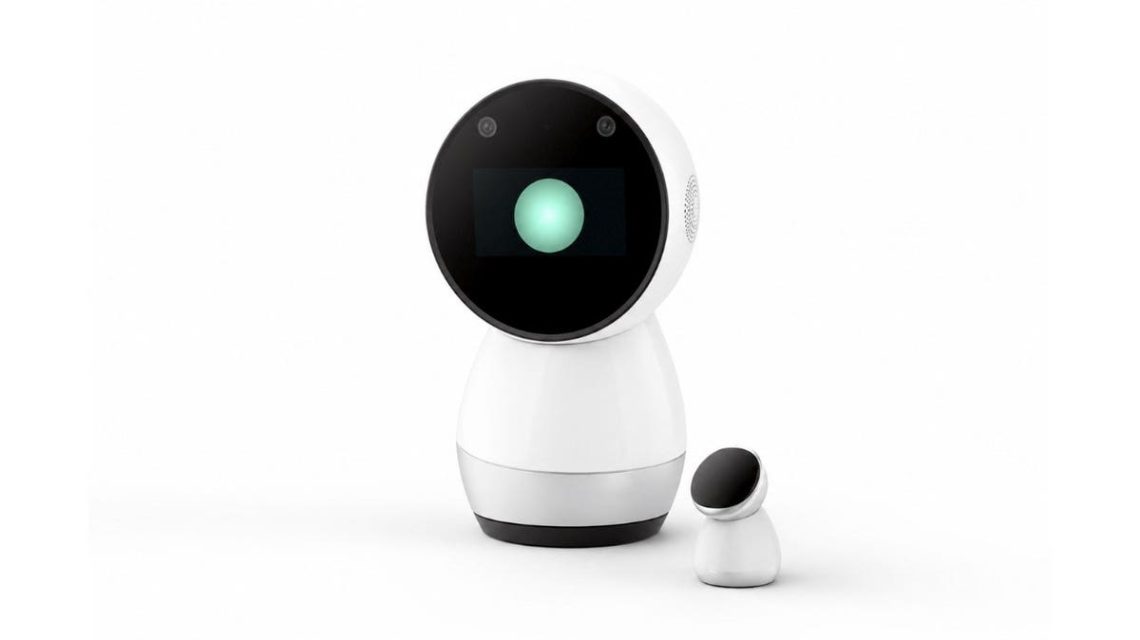
The concept evolved from Jibo, a project by Lingverse CEO Jiawei Gu. Jibo, a home robot, focused on human interaction and communication but lacked mobility. iKairos continues this legacy, adding mobility and improved AI comprehension. Preorders for iKairos begin in the third quarter of 2026. Pricing and subscription details will be announced as launch approaches.
Prospects and Concerns
iKairos showcases the potential direction of wearable AI. Its dual-perspective capability and proactive assistance are promising. Privacy remains a pivotal concern, especially with cloud-based analysis. Users should understand exactly when data leaves the device and how it is handled. Battery life is expected to last 12 to 16 hours, sufficient for daily use. Further information on pricing and subscription is necessary to determine its value.
Would you be comfortable with AI that uses occasional photos and voice detection to interact with you? Share your thoughts or reach out with tech questions at Cyberguy.com.
For more tech insights and privacy tips, sign up for the free CyberGuy Report.
 The Role of AI in Economic Growth Amidst Rising Debt
  Safeguarding Your Finances Against Cyber Threats
  AI Agents: Making Life Easier by Handling Everyday Chores
  The Rise of AI: High-Tech Feudalism and Societal Impact
  International Ransomware Probe Shuts Down KillSec Operation
  Concerns Raised Over Safety of ChatGPT for Teens