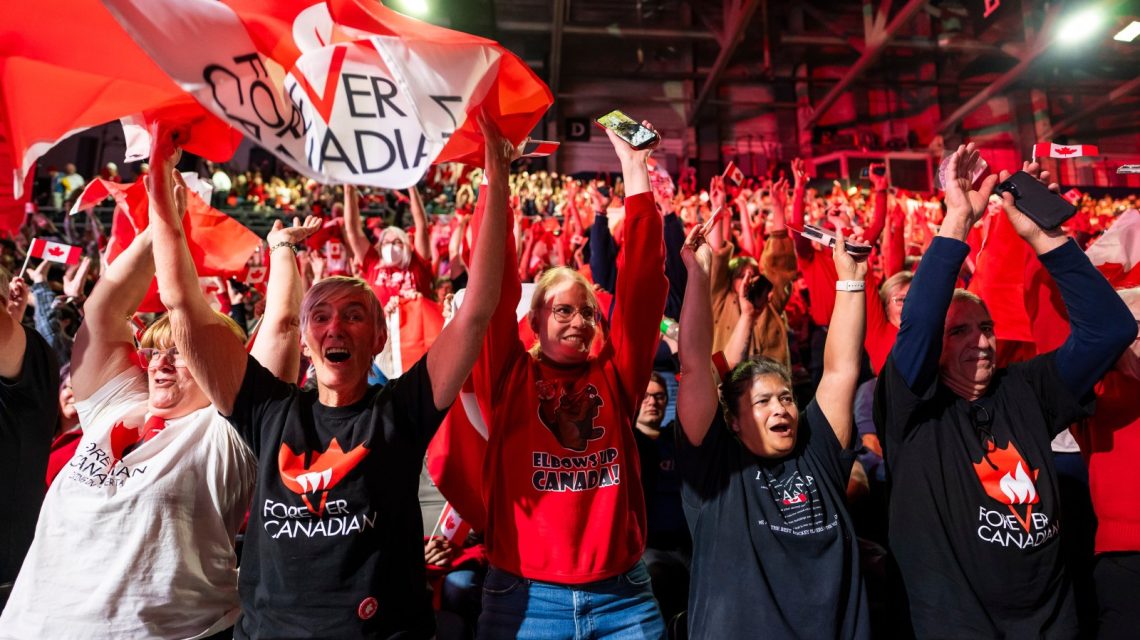
Voters in Alberta, Canada, have decisively rejected a proposal to initiate a path toward independence. Early results show that with over one million votes counted, approximately 77% of voters favored remaining part of Canada. Only 23% supported beginning the separation process, as reported by unofficial results from Elections Alberta.
This referendum was not a direct vote on independence. Instead, it asked Albertans if they wanted to hold a binding referendum on separation from Canada. The outcome supports Canadian Prime Minister Mark Carney. Carney has frequently clashed with President Donald Trump, relating to trade and annexation concerns.
This is not a game. This is not poker—a vote against Canada is a dangerous bluff,
Carney remarked during a rally in Edmonton. A native of Edmonton, Carney expressed gratitude for the results, stating that Albertans chose Canada and chose unity.
He emphasized that, although votes on all matters are still being counted, the decision on this pivotal question of separation means Canadians can move forward with renewed ambition. Carney highlighted Canada’s efforts to secure global trade partners, accelerate important national projects, and strengthen its position as an energy leader with Alberta playing a key role.
Danielle Smith, Alberta’s premier, responded on X, noting her pleasure at the widespread support for remaining in Canada. She pledged to address the province live to discuss future plans given the initial results.
The referendum was initiated after pressure from separatist factions within Smith’s United Conservative Party. The push for independence in Alberta has been fueled by longstanding frustration over federal environmental regulations and perceived excessive control from Ottawa. Alberta ranks as home to the world’s fourth-largest oil reserves, trailing Venezuela, Saudi Arabia, and Iran.
Dissatisfaction with federal policies grew during the COVID-19 pandemic. Protests during this period helped mobilize anti-government activists who later became involved in the separatist movement.
Jeff Rath, a separatist leader, criticized federal influence, suggesting that Alberta would prosper more by retaining funds currently sent to Ottawa. Rath intends to focus on unseating Smith as leader in response to the referendum outcome.
 Japan’s Mission to Explore Mars’ Moons
 Impact of Libya’s Fall on Trump’s Rise and Current U.S. Policy
 Judge Warns Trump Over BBC Lawsuit Participation
 NATO’s Air Defense: Tackling Rising Drone Threats
 Christian Advocacy and the Call for Action on Settler Violence in the West Bank
 Tensions Rise in U.S.-Ukraine Relations Over Intelligence Sharing and Energy Policies