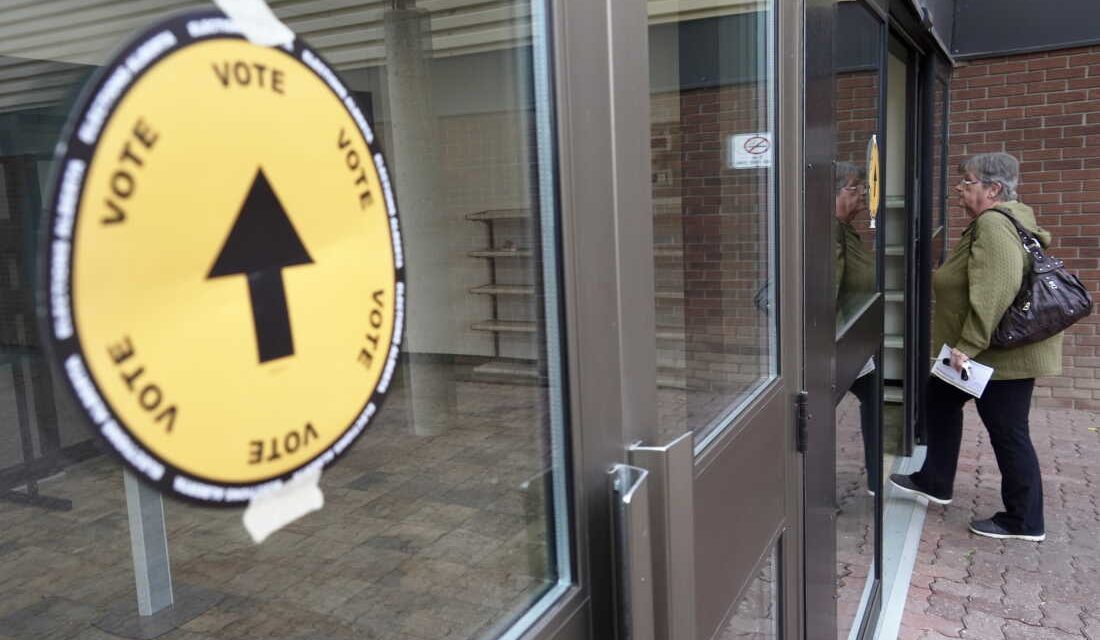
On Monday, October 19, 2026, voters in Wainwright, Alberta, joined others in the province to participate in a pivotal referendum. The outcome showed strong support for remaining a part of Canada.
As Prime Minister Mark Carney announced, more than 1 million votes were counted. Of those, 77% favored staying in Canada, while 23% leaned toward initiating a separation process, based on unofficial results from Elections Alberta. This referendum was not a direct vote for independence, but a step towards potential future discussions.
“Albertans made a clear choice,” Carney stated. “They chose unity, to build together, and to care for each other. Albertans chose Canada.”
Carney expressed that this decision allows Canada to focus on trade diversity, developing infrastructure, and transforming into a global energy leader with Alberta at its core.
Alberta’s separatists acknowledged the results yet found a positive aspect. Keith Wilson, a separatist leader, remarked that at least a quarter of Albertans want better treatment for their province. Premier Danielle Smith appreciated the results, noting strong backing for unity in Canada, despite initiating the referendum under pressure from separatists within her United Conservative Party.
Thomas Lukaszuk, who led the Forever Canadian campaign, emphasized national unity, describing Canada as “a solid country that’s united from coast to coast to coast.” Even though there were delays due to late openings at polling stations, the vote was completed successfully.
Alberta, renowned for its vast oil reserves, embodies a conservative culture similar to the American West. Historically, there has been deep-rooted disdain for the federal government in Ottawa, which generally did not result in notable support for independence.
Despite the referendum not achieving separatist goals, activists argued they advanced their cause significantly. Carney urged Albertans to deliver a unified message, emphasizing that “Canada’s future depends on it.” Anger over COVID-19 alongside trade tensions with the U.S. under President Donald Trump has bolstered Carney’s appeal.
Jeff Rath, a separatist supporter, expressed optimism about potential changes within the United Conservative Party. Meanwhile, Wainwright voter Dustin Degenhardt voiced frustration over federal treatment of Alberta, likening it to colonial exploitation. Another voter, Taylor MacIsaac, supported separation based on her conservative values and rural upbringing.
Some citizens, like Dave Malka from Edmonton, criticized the referendum’s timing and resource allocation. They felt it distracted from more pressing issues like healthcare. Calgary resident Jake Graham, attending a Carney rally, expressed hope that the vote would end the independence debate for the foreseeable future.
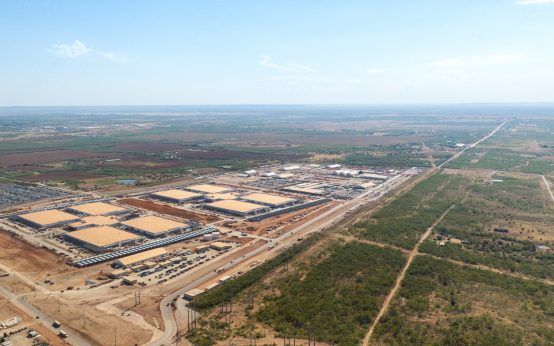 Texas Data Centers Face Criticism Over Water Use Reporting
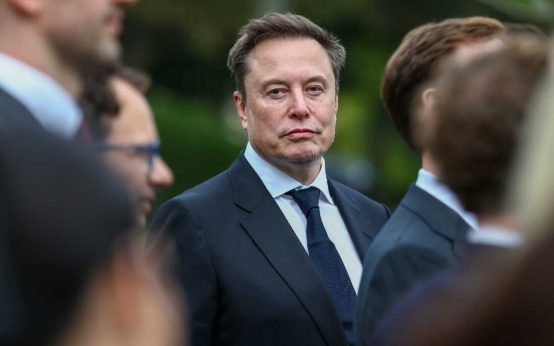 Election Spending Trends Set Record in 2026 Midterms
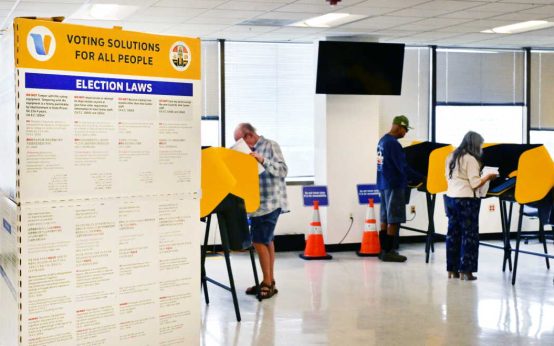 DOJ Charges Green Card Holders Amid Voting System Dispute in California
 Unconventional Candidates in Montana Challenge Political Norms
 Understanding Delays in Election Results
 The Role and Challenges of the White House Press Secretary