California’s Slow Vote Count
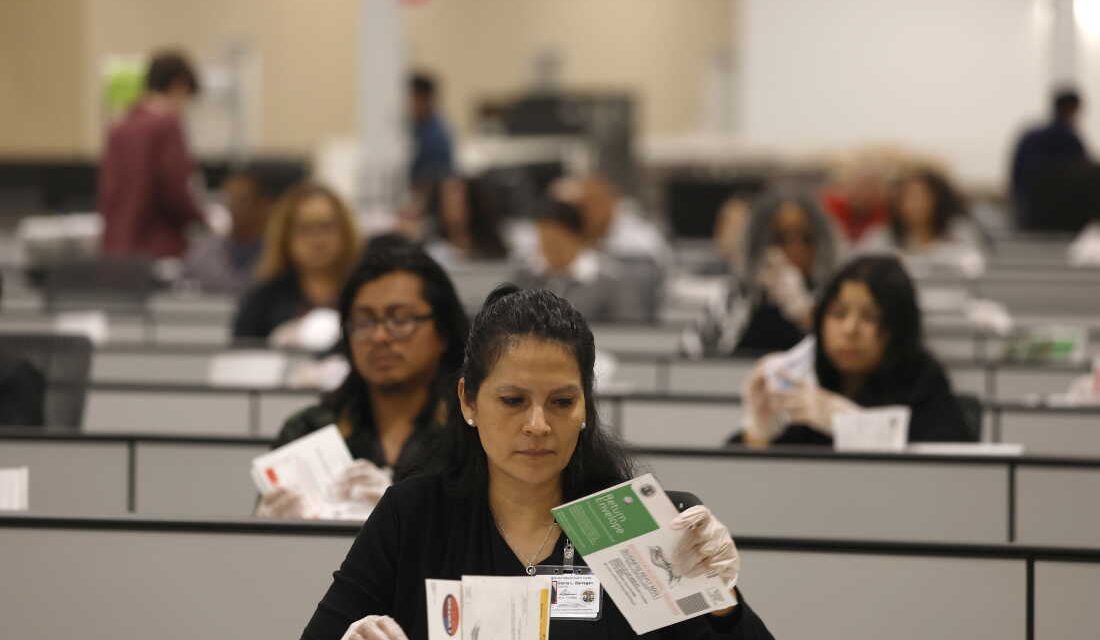
Election workers at the Los Angeles County Ballot Processing Center faced a significant task during the California state primary on June 5. With a large volume of ballots, the slow vote count has drawn criticism. California’s reputation for lengthy election results has raised concerns, as noted by NPR.
Stephen Richer, previously responsible for elections in Maricopa County, Arizona, recalls the intense scrutiny he faced. When polls closed, more than a million ballots awaited counting, each moment extending without results fueled online conspiracy theories. Richer described those days as difficult, highlighting the challenges election officials encounter.
Pressure on Election Officials
This midterm year, officials in tightly contested districts face similar pressures. Results might not be immediately clear after Election Day. Understanding this timing involves examining why some results are quick while others lag.
Election results on TV and social media are not the final count. News organizations project winners based on demographics and early returns. A clear margin of victory speeds up this process, but not all ballots are counted on election night.
The Role of Margin of Victory
Richer notes that in states like Utah, races are called quickly due to high margins, creating an illusion of completion. Competitive races, where margins are tight, take longer as analysts require more information to declare a winner.
The Case of California
California exemplifies the issue with slow vote counts and competitive districts. These factors are crucial in determining the balance of power in the U.S. House. The voting process, which favors mail ballots, also contributes. Former President Trump’s critical stance on California’s election process increases scrutiny.
Charles Stewart from MIT describes California as a major focus due to these elements. During the June primary, conspiracy theories abounded regarding the state’s slow count.
Efforts to Speed Up the Process
Kim Alexander, heading the California Voter Foundation, is cautiously optimistic. She advocates for streamlining vote tallying without sacrificing California’s generous voting policies. The largest challenge stems from the late return of mail ballots, termed by Alexander as the “pig in the python” problem. Many return ballots on Election Day, delaying processing.
Counties experience up to half of mail ballots arriving on Election Day, pushing processing to start days later. Alexander highlights the public’s lack of awareness about contributing to delays by holding onto ballots.
The state has allocated $40 million for faster counting. Voter education is a component, encouraging earlier voting. Past efforts, like San Joaquin County’s campaign, show promise in improving quick counts.
Another factor reducing focus on California is fewer competitive House districts. In 2022, nine districts were competitive. This year, only three remain, reducing the need for the nation’s attention on California outcomes.
Other States to Watch
Alaska exemplifies another state with delayed results. It was the last to reach 95% of the ballot count in 2024. Despite the early November Election Day, its House race result came weeks later. With a close Senate race expected this year, Alaska could leave the nation in suspense regarding Senate control.
 Texas Data Centers Face Criticism Over Water Use Reporting
 Election Spending Trends Set Record in 2026 Midterms
 DOJ Charges Green Card Holders Amid Voting System Dispute in California
 Unconventional Candidates in Montana Challenge Political Norms
 Alberta Votes to Remain in Canada Amid Political Tensions
 The Role and Challenges of the White House Press Secretary