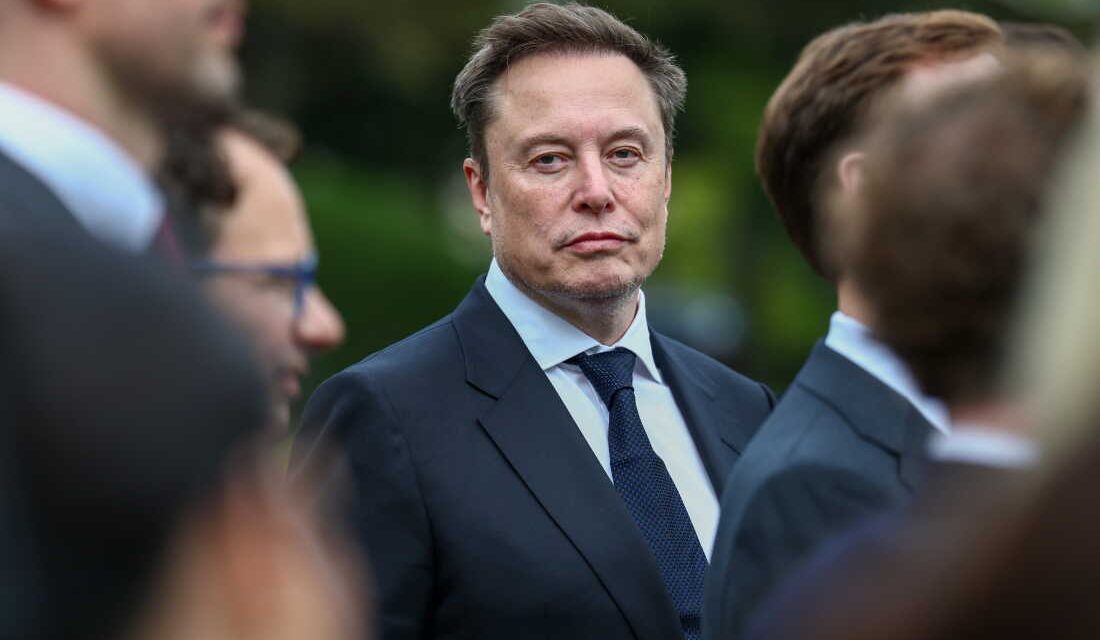
The 2026 midterms are anticipated to be the most costly in history, fueled by strong enthusiasm for Democratic candidates and substantial contributions by Republican benefactors, notably Elon Musk. Data from the Federal Election Commission reveals that over $15 billion has been gathered since the beginning of 2025, with half of that already spent. Ad expenditure on House and Senate races has exceeded $4 billion, and hundreds of millions more are planned for the final two weeks, according to information from AdImpact.
The Current Political Climate
Republicans, who clinched the White House along with a slim House and Senate majority in 2024, now confront an electorate dissatisfied with President Trump’s agenda. This discontent arises from an unpopular conflict in Iran, elevated fuel costs, and increasing prices. The Democratic Party as a national entity is also not highly favored. However, breakthrough Senate candidates in traditionally conservative states such as Iowa, Texas, Kansas, and Ohio, along with Democratic hopefuls in newly competitive House districts, have shown gains in both polls and fundraising.
Although Democrats hold an upper hand in fundraising at the candidate level, Republican groups, including three super PACs linked to Trump’s MAGA, Inc., have outspent Democrats in media attempts to portray the opposing party as unfit to govern.
Key Points from Recent Campaign Finance Filings
Democratic Senate Strength
A significant development in this election cycle is the number of U.S. Senate contests becoming competitive, often due to Democrats considerably out-raising their Republican adversaries. From July to September, Democratic or independent candidates surpassed their Republican counterparts in 27 of the 35 Senate races on the ballot. They achieved nearly a 5-to-1 margin in the 13 most contentious races.
The Texas Democratic Senate nominee, James Talarico, reported $60 million raised by his primary campaign committee in the third quarter, marking a record for any Senate campaign during this period. This exceeds any candidate’s total fundraising for the cycle, except for Democratic Sen. Jon Ossoff in Georgia.
A noteworthy shift occurred in Kansas where Democrat Adam Hamilton raised nearly $10 million for his campaign, versus a mere $800,000 by incumbent Republican Sen. Roger Marshall. Sen. Cindy Hyde-Smith of Mississippi disclosed under $700,000 in contributions, while Republican Sens. Mike Rounds of South Dakota and Jim Risch of Idaho conveyed less than half a million dollars in third quarter receipts. Their opponents achieved roughly double those figures.
Currently, Democrats hold 47 Senate seats and leverage their financial strength, alongside Republican unpopularity, to target races in states where Trump previously secured up to 60% of the vote.
House Incumbents Face Fundraising Challenges
As Congress prepares for a historic number of departures, fundraising data indicates challenges for numerous incumbents who may face defeat in November. An anti-incumbent sentiment seen in the primaries has continued with fundraising efforts, with 50 House members being outraised last quarter. Approximately 90% of those were Republicans.
Among the 17 vulnerable legislators on the National Republican Congressional Committee’s ‘NRCC Patriots’ list, only Pennsylvania Republican Brian Fitzpatrick raised more cash than his competitor. Meanwhile, a mere three of the 27 ‘MAGA Majority’ challengers emerged as top fundraisers in their districts.
Conversely, the only vulnerable Democratic incumbent tagged as a Democratic Congressional Campaign Committee ‘Frontliner’ who was outpaced financially last quarter was Nevada Rep. Dina Titus. Meanwhile, 40 of the 46 ‘Red to Blue’ seats saw Democrats outraise their opponents. This pattern was seen even in deep-red districts in Arkansas, Kentucky, and Nevada, which have experienced increased Republican ad spending in efforts to safeguard those seats.
Seven longer-shot ‘Districts In Play’ saw Democrats secure more funds, including KS-02, MI-01, NE-02, and OH-10, all in states with competitive Senate races.
Several closely contested races for November exhibited substantial fundraising by both parties, such as the over $7 million combined raised last quarter in the NY-17 contest between Republican Rep. Mike Lawler and Democrat Cait Conley. Conley’s $5.4 million third-quarter contribution was the largest among any House campaign, surpassing all but one incumbent U.S. Senator in the same timeframe.
Musk’s Financial Influence in Election
Recent filings offer a more complete view of Musk’s significant contributions to the Republican initiative to retain congressional control, particularly in the Texas Senate contest. Recently, Musk donated $158 million to the Republican Senate Leadership Fund, $20 million to the Congressional Leadership Fund, $89 million to his America PAC, and $10 million to the pro-Ken Paxton Lone Star Liberty PAC.
The donation to the Senate Leadership Fund primarily funded the Texas PAC, which has allocated over $148 million to strengthen Paxton’s campaign while undermining Talarico’s efforts. Musk’s contributions to Texas PAC exceed combined fundraising garnered by Talarico and Paxton throughout the cycle. It is approximately the amount spent on advertising for all 470 congressional contests in early September.
Musk’s Texas investments accounted for 56 cents out of every dollar raised by a Senate campaign in the past three months. Despite this financial influx, advertising regulations granting candidates more favorable rates limit the Musk contributions’ effectiveness, particularly in Texas’ costly, extensive media markets.
Advertising Trends Reveal Political Landscape
Beyond public pronouncements and optimistic declarations from both parties, the expenditure patterns offer a genuine portrayal of the electoral landscape. From now leading into Election Day, at least $700 million in ad reservations are projected by AdImpact, with expectations for continued growth during the final stretch.
Current forecasts indicate that three-quarters of ad spending are for contests labeled as toss-ups or moderately leaning Republican by the Cook Political Report. Since Sept. 28, Republicans increased Kansas Senate race ad spending by fourfold, and tripled investments in Mississippi’s Senate race and in House districts across Missouri, Arizona, Pennsylvania, and Kentucky. Simultaneously, Republicans redirected funds away from Senate races in North Carolina and Georgia, and previously competitive House seats in Iowa, Ohio, and Nebraska now favorable to Democrats.
In response, Democrats launched a vigorous campaign on the Senate side, dedicating millions in additional advertising resources to prevailing competitive races in Ohio, Michigan, Maine, Texas, and Alaska, while incorporating Iowa, Kansas, Mississippi, and South Carolina as new targets.
House races with ‘Red to Blue’ and ‘Districts In Play’ status have received spending support, observed in locales such as AR-02, MN-01, MT-01, and KY-06. As the October 15 major quarterly deadline for campaign finance concludes, substantial contributions and external expenditures will continue to be documented with a one or two-day interval until Election Day.
 Concerns in the U.S. Over French Riots
 Republican Concerns Over Changing Loyalty of Working-Class Voters
 US Vice President JD Vance Chooses Not to Endorse Netanyahu Amid Israeli Elections
 Controversy Over Smithsonian Screening of ‘White Guilt’ Documentary
 Rising Violence in Europe and Its Political Impact
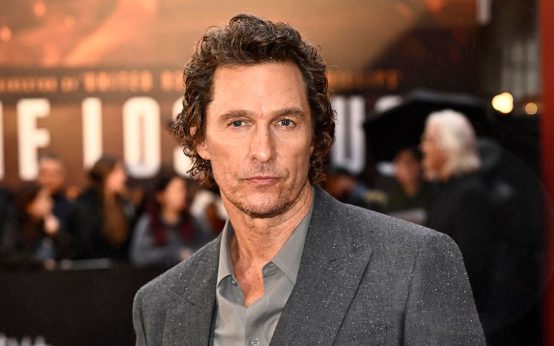 Matthew McConaughey Sparks Debate on America’s Two-Party System