Americans are moving less since the pandemic, which initially spurred a wave of relocations due to remote work. This shift allowed many to leave crowded, costly cities for more affordable locations. However, data reveals that certain cities continue to experience significant population decline.
Declining Cities
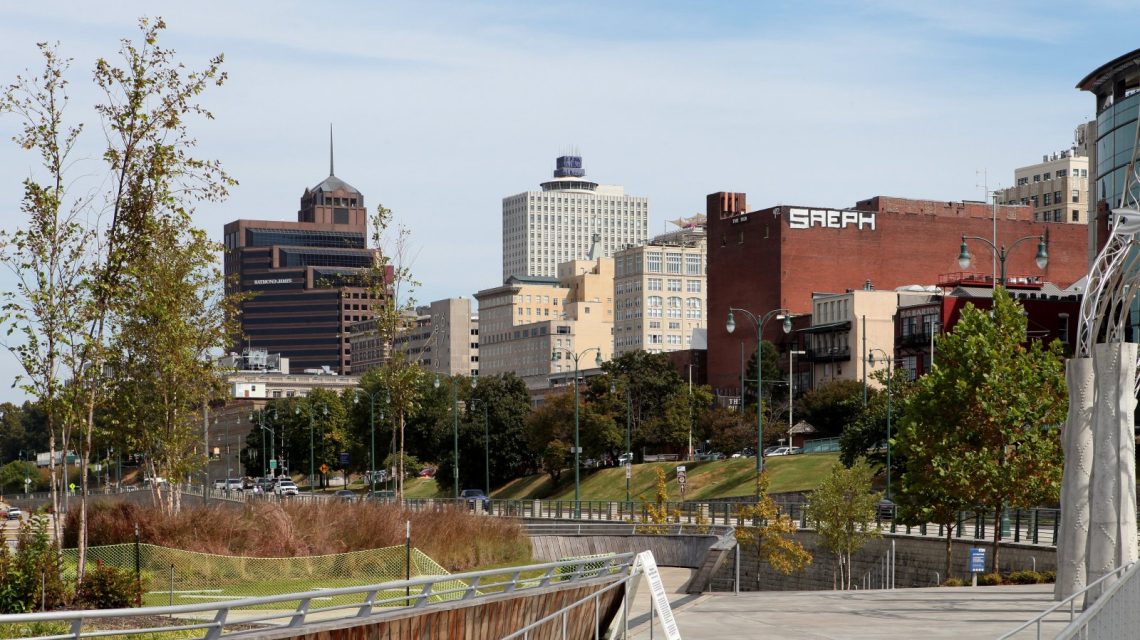
The Bank of America Institute’s latest report highlights Memphis, Tennessee, as undergoing the largest net population decrease among major U.S. metropolitan areas in the second quarter of 2026, dropping nearly 1 percent compared to the previous year. Other cities experiencing declines include:
- Washington, D.C. (-0.73%)
- Los Angeles (-0.63%)
- Boston (-0.60%)
- Miami (-0.57%)
- Baltimore (-0.53%)
- Orlando (-0.49%)
- New York (-0.48%)
- San Jose (-0.44%)
- St. Louis (-0.41%)
These cities, known for their high living costs, are seeing residents leave.
Affordability’s Impact on Mobility
The report indicates a slowing mobility trend among Americans. Declines are reported across income groups, generations, and move types. Lower-income households and millennials, facing financial challenges, have pulled back sharply, showing affordability as a key factor.
The Midwest stands out with notable population growth, as it remains more affordable compared to other regions. Leading this growth in the second quarter of 2026 are cities such as:
- Indianapolis (+1.87%)
- Columbus (+1.24%)
- Louisville (+1.15%)
- Cincinnati (+0.99%)
- Milwaukee (+0.99%)
- Minneapolis (+0.89%)
- Grand Rapids (+0.70%)
- Cleveland (+0.37%)
Salt Lake City: A Growth Leader
Salt Lake City, Utah, leads population growth with a 1.88 percent increase year-over-year. The city has consistently attracted newcomers with its strong job market, outdoor recreation opportunities, and relatively low living costs. As of June, the median home price was $642,678, with a median household income of $75,090, adjusted for 2024 inflation. These factors contribute to its appeal.
Raleigh and Indianapolis
Raleigh, North Carolina, grew by 1.25 percent, thanks to its robust job market, amenities, and affordable housing. The median household income in 2020 was $86,309, with a median home price of $424,769. Similarly, Indianapolis offers a low cost of living, an affordable housing market, and a lively cultural scene. There, the median home price was $258,859 in June, and the median household income was $66,219.
Challenges Faced by Declining Cities
While the cost of living impacts many cities, Memphis faces different challenges. Despite affordability, Memphis struggles with limited job opportunities and high crime rates. From 2010 to 2024, the city lost 35,970 residents, driven by these issues. While neighboring Nashville flourishes, Memphis remains stagnant.
Other declining cities, such as Washington, D.C., Los Angeles, and Boston, face high living costs. Housing remains a significant financial burden. In June, median home prices were:
- Washington, D.C.: $699,619
- Los Angeles: $1.1 million
- Boston: $859,532
- Miami: $649,646
These costs push residents to seek more affordable areas.