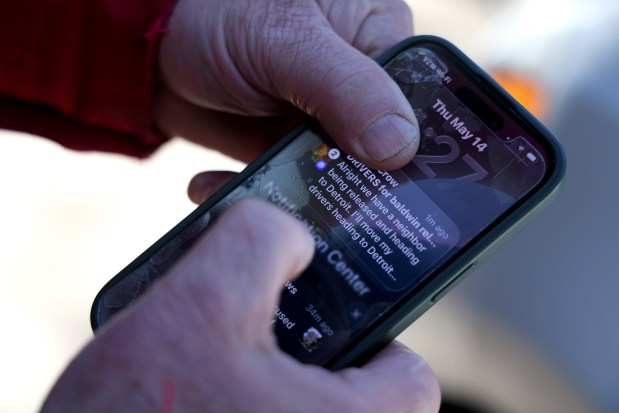
After Release: The Struggles of Former Detainees
Jesus Ramirez Ramos faced numerous challenges after his release from Immigration and Customs Enforcement (ICE) detention. Without a functioning cellphone and wearing clothing that had been unwashed for months, Ramirez struggled with initiating contact with his support network.
Transporting detainees back home is often laborious, particularly when they are detained far from their residences. Fortunately, volunteers like Delight Lester step up to assist. Lester picked up Ramirez from the North Lake detention center in Michigan and drove him over 900 miles to his home in Salina, Kansas, providing him with essentials for the long journey.
The Volunteer Network
A network of volunteers across the country facilitates assistance to ICE detainees. These groups, spanning states from California to New Jersey, help with everything from commissary funds to arranging legal support and transportation for released detainees.
Hope for Neighbors in Michigan, Calor Humano in Kentucky, Haven Watch in Minnesota, and Illinois’ Overground Railroad demonstrate the nationwide dedication to aiding released detainees.
These networks emerged amid intensified federal immigration enforcement, resulting in numerous arrests and deportations since 2025 under the Trump administration. Given the administration’s policies, including indefinite detention without bond, legal challenges have surged, often supported by families, neighbors, and communities.
Giving Back: Volunteers Making a Difference
Volunteers like Evelyn Vargas in Chicago stress the importance of their role in addressing the impact of such policies. For Lester, helping offers a chance to spread hope and encourage kindness.
Pastor Dale Dalman of Hope for Neighbors illustrates the impact of community involvement, noting how anyone can contribute towards making the world a better place.
Volunteer-Driven Initiatives
Mandatory legal changes add confusion to immigration processes. For example, changes affecting Venezuelan asylum seekers highlight the complexities that detainees face.
Volunteers also coordinate transportation, often funded through donations, ensuring detainees reach destinations like Kansas City or New Jersey.
Efforts in Kentucky and Minnesota underscore how social media has become a vital tool in rallying support for detainees. Coordinators in Minnesota, like Susan Schultz, ensure released detainees receive necessities upon release.
National Movement: Extraordinary Impacts
The movement to assist detainees is not new but has gained momentum. Robin Valenzuela of Indiana AID discusses volunteer efforts since 2019 and the importance of ongoing support for released detainees.
Stephanie Campos in New Jersey epitomizes the informal support network, offering transportation, translations, and necessities to detained immigrants.
The collective work of groups across the nation showcases the profound commitment to effectively address the challenges faced by detainees after their release.
 A Family’s Journey Through Cancer and Loss
  The Unlikely Intrigue of a 1990 NBA Trading Card
 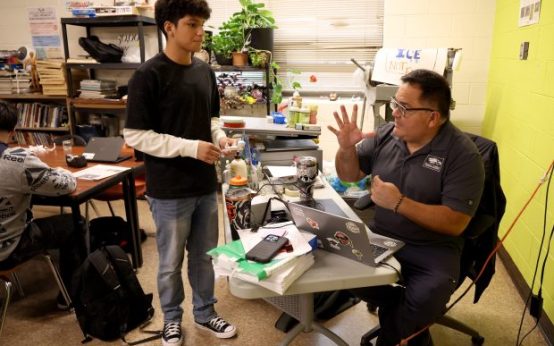 Celebrating Day of the Dead: Students Craft Calaveras in Pilsen
  Family Conflict over Sentimental Necklace
  Cindy Crawford’s Son Presley Gerber Dies at 27
 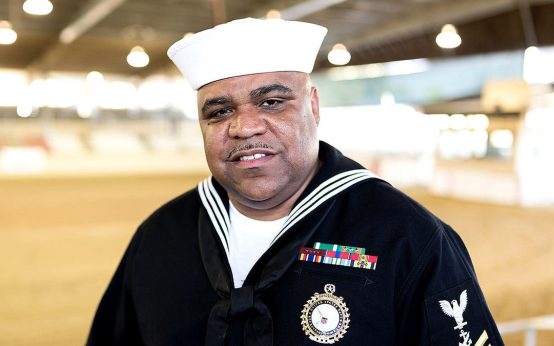 Navy Veteran Generald Wilson Reflects on Emotional National Anthem Performance