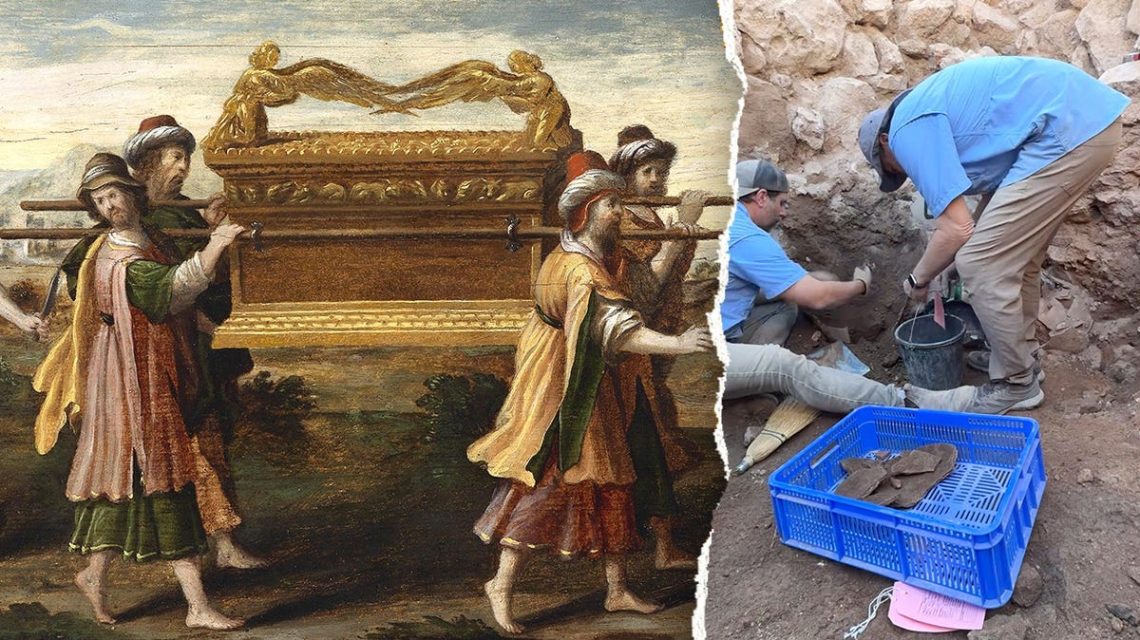
Archaeologists have recently uncovered ancient food remains at Tel Shiloh, a site traditionally identified as biblical Shiloh. This location is believed to have housed the Ark of the Covenant for centuries, as described in the Bible. The excavation took place in the West Bank, beneath an Israelite-period ritual deposit next to a Canaanite fortification wall.
Discoveries at Tel Shiloh
According to the excavation team, two jars contained olives, while a third held lentils. An archaeobotanical analysis revealed that one of the vessels held approximately 500 burned olive pits. Scott Stripling, the excavation director and president of the Near East Archaeological Society, explained that the olives were likely preserved in oil before being burned thousands of years ago.
Stripling, based in Texas, suggested that a fire, possibly accidental, preserved the olives. He remarked, “Once it started on fire, then it caught that whole area on fire.” The team plans to expand excavations next year to gain a better understanding of the incident.
Ritual Deposit and Artifacts
Before reaching the jars, archaeologists excavated an Israelite-period ritual deposit containing around 10,000 animal bones, pottery vessels, and eight gold and silver objects, including pendants and earrings. Stripling noted that this was not an ordinary garbage pit but a favissa, where sacrificial offerings were deliberately buried.
The jars were found beneath this deposit. Stripling described the careful excavation process, highlighting how the team avoided removing pieces from the storage jars to keep them intact. The team eventually needed ladders to enter and exit the trench.
Analysis and Future Research
Although the scale of the olive pits was surprising, the types of food found, such as lentils and olives, are staples of the Mediterranean diet. Stripling pointed out that the Israelites who later occupied Shiloh likely had no idea that older Canaanite storage jars lay beneath their deposit.
“These [burned olive pits] are ideal for radiocarbon dating,” Stripling said.
The jars are being restored at Tel Aviv University, where researchers aim to learn more about the artifacts. Stripling stated, “I will be shocked if the radiocarbon dates do not come back as Middle Bronze Age.” The team also plans to determine whether the jars were stored in a kitchen, storage room, or another part of the settlement.
By expanding the excavation, archaeologists hope to uncover more insights into the historical context of the findings.
 The Discovery of Incendiamoeba cascadensis: A Fire Amoeba
 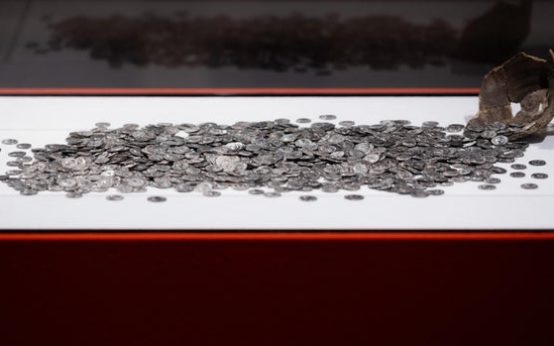 Archaeological Discovery in Germany: Largest Hoard of Roman Coins Found
  Hurricane Formation and Strengthening
 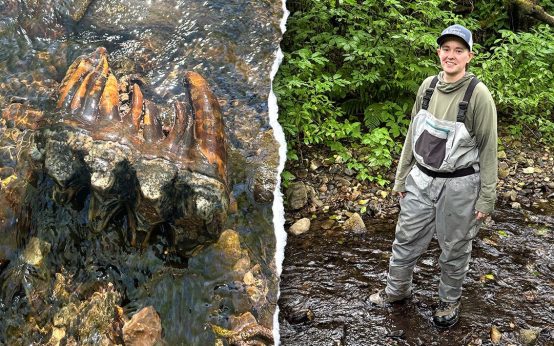 Ancient Mastodon Tooth Unearthed in California Creek
  The Tiny World of the Pumpkin Toadlet
  Chimps and Self-Medication: Insights from Gombe Stream