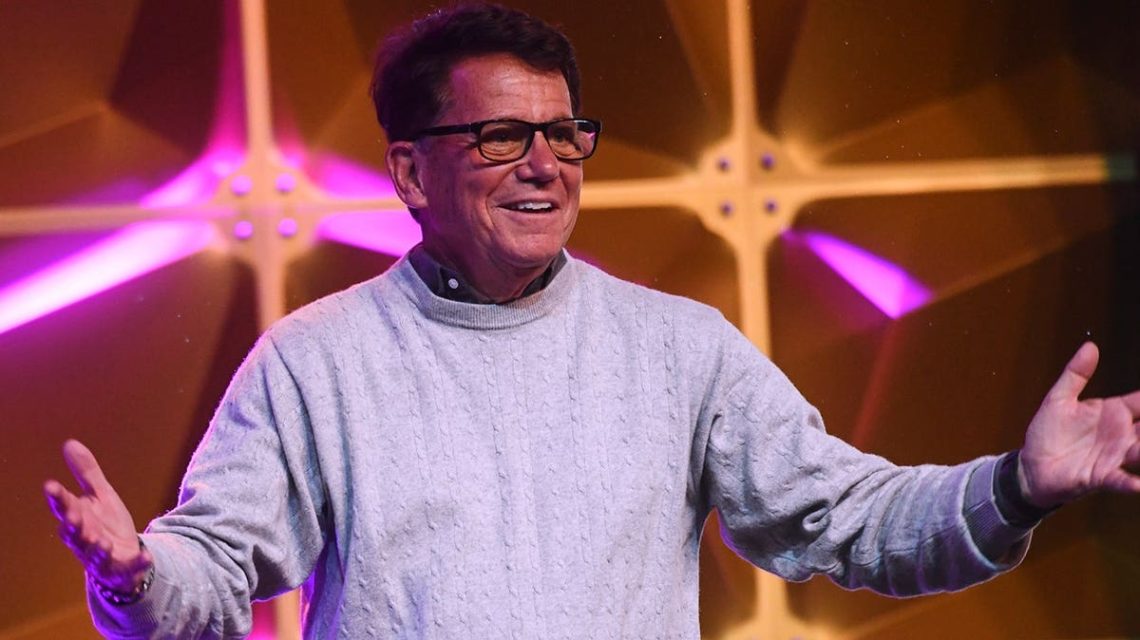
When Anson Williams played Potsie Weber on Happy Days, the financial rewards were not as significant as one might expect. In a conversation on the “Still Here Hollywood Podcast,” the 77-year-old actor explained his pursuit of a supplementary music career, driven by the economic conditions of the 1970s.
“On Happy Days, salaries were far from what actors earn today,” Williams said. “Earnings ranged from $900 to $1,200 per episode, which was adequate at the time but not enough for long-term financial security.” His inspiration came after discussing earnings with David Cassidy from “Partridge Family” and Barry Williams of “The Brady Bunch.” Seeing their success with singing performances, Williams thought, “I sing. If I can convince Garry to put a band on the show, maybe I can get extra income.”
BRADY BUNCH’ CAST MADE NEARLY NOTHING FROM DECADES OF RERUNS, EVE PLUMB CLAIMS
Williams pitched the idea of performing on the show to its creator, Garry Marshall. After some convincing, Marshall agreed to let him try, with an unusual audition involving singing to a bulldog. “If you’re good, I get laughs. If you’re bad, I get laughs,” Marshall told him.
The performance was well-received by viewers. “When letters started coming in, Marshall said, ‘The people like it. We’ll do more. You’re in charge of it though,'” Williams recalled. This led to representation by a major agent and booking performances at state fairs for a decade, which turned into a financially rewarding venture.
As both a musician and an actor, Williams excelled. Marshall expressed pride in Williams for capitalizing on an opportunity and aiding the show’s success. Despite an initial dip in ratings, Happy Days later became a spectacular success worldwide after shifting to a live audience format. Williams remembered Marshall and director Jerry Paris’ creative solution to boost the show’s popularity: transitioning from single-camera to live-audience filming. The show reached number one globally thanks to the cast’s chemistry and dynamic writing.
Williams shared how Marshall advised the cast to leverage their fame positively, encouraging them to “shine the spotlight on those who deserve it.” Taking this advice to heart, Williams later transitioned into writing and directing. He directed shows such as “Beverly Hills, 90210,” “Sabrina the Teenage Witch,” “Lizzie McGuire,” “Charmed,” and “The Secret Life of an American Teenager.”
Reflecting on his achievements, Williams highlighted how he and Ron Howard worked on the film “Skyward,” which featured a paraplegic protagonist for the first time in television history. They also created “No Greater Gift,” which boosted organ donor registrations. Williams emphasized the importance of using their platforms to create positive change, a philosophy he continues to uphold.
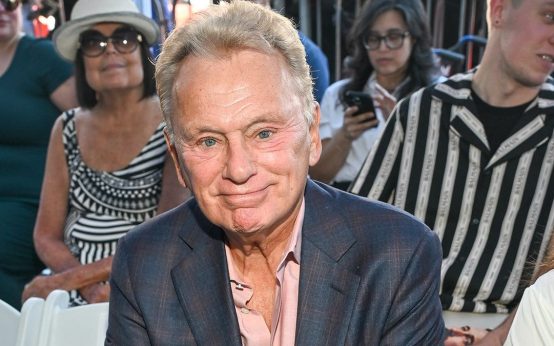 Pat Sajak’s Rare Public Appearance and Career Reflections
 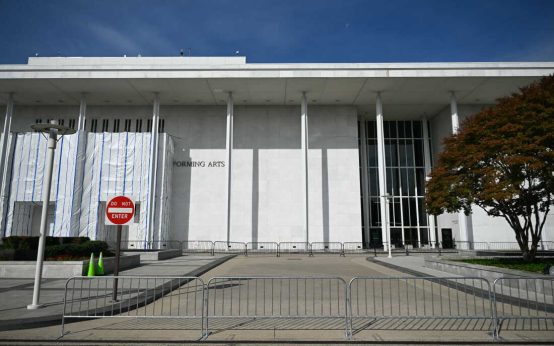 Kennedy Center’s New Appointment and Ongoing Controversies
 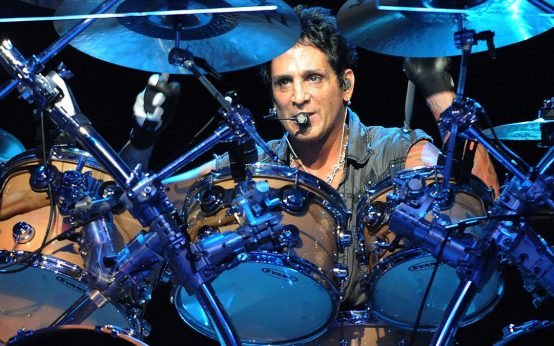 Journey Drummer Deen Castronovo Hospitalized During Concert
 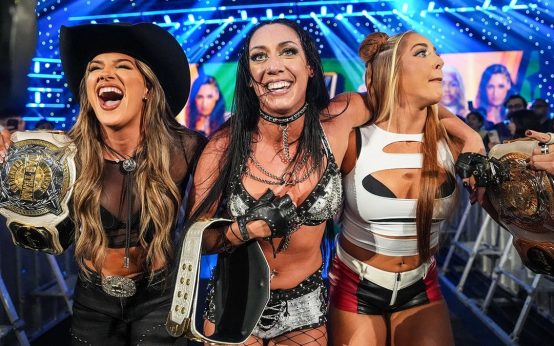 NXT’s Impact on WWE’s Rising Stars
 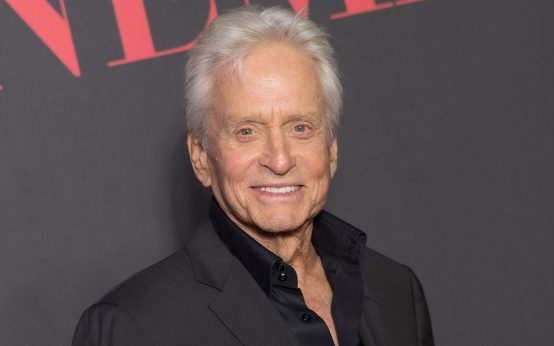 Michael Douglas Reflects on Life and Challenges in Memoir
 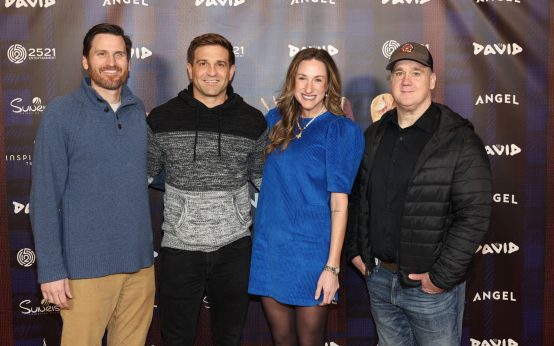 Exploring the Life and Career of Tyler Zacharia