
In May 2015, the brutal murder of 14-year-old Chiara Páez by her boyfriend prompted significant protests in Argentina. These protests became the catalyst for the ‘Ni Una Menos’ movement, a cry against femicide, the killing of women and girls due to their gender. Today, the country grapples with renewed outrage following the murder of 14-year-old Agostina Vega in Cordoba.
Agostina was found sexually assaulted and murdered on May 23. Initial autopsy results revealed she was hanged and dismembered. Her remains were discovered in a drainage ditch, a week after her disappearance. Public vigils soon escalated into confrontations with police.
Thousands marched in Buenos Aires on Wednesday for the annual Ni Una Menos demonstration. Many held images of women, including Agostina, demanding government intervention and criticizing President Javier Milei. The president, aligned with U.S. President Donald Trump, has described the feminist movement as ‘ridiculous’ and minimized support for gender violence victims as part of his budget cuts.
Legal experts report 63 femicides have been officially recognized this year, though they claim the actual number exceeds 100. Discrepancies exist due to challenges in getting government acknowledgment. A Supreme Court report indicates a drop in reported femicides from 224 in 2024 to 200 last year. Experts argue this decrease doesn’t signify reduced violence, but rather misclassification of crimes.
“To stop calling femicides by their name, to deny gender violence, seeks to reverse decades of progress,” said Natalia Gherardi of the Latin American Team for Justice and Gender.
In Cordoba, anger has focused on law enforcement’s handling of Agostina’s case. Her disappearance was reported promptly, yet vital alerts were delayed by three days. This delay coincided with a major soccer event that consumed police attention. The main suspect, Claudio Barrelier, was apprehended after security footage confirmed he was with Agostina at the time of her disappearance.
Despite demands to classify Agostina’s death as femicide, Security Minister Alejandra Monteoliva refused, explaining that a homicide’s classification isn’t easily defined by its immediate circumstances. Advocates stress that recognizing the crime as femicide is essential for effective legal and protective action.
President Milei has campaigned against gender-based policies, viewing them as socialist threats. His efforts include proposals to eliminate femicide from the legal code and clamp down on false allegations of gender-based violence. Under his leadership, significant cuts to support programs for victims have occurred.
Programs impacted include Acompañar, which helped 350,000 women. Funding for a 24-hour support hotline and free legal aid for victims of domestic violence have also been drastically reduced.
The annual Ni Una Menos protest has taken on new urgency. Thousands gathered at Plaza Congreso, echoing a call for action since Chiara Páez’s death. One participant, Laura Lenaza, brought her daughter to the protest, motivated by the recent cases.
“I’m here for myself, my family, and every woman I know,” her daughter expressed. Meanwhile, María Cacharo participated to honor her own sister’s memory, expressing frustration over the impact of budget cuts and the handling of Agostina’s case.
Carrying signs demanding ‘Justice for Agostina,’ her family led a march in Cordoba. The movement highlights Argentina’s ongoing struggle with social and legal actions for gender equality.
Agostina’s case has reignited discussions about societal challenges in addressing femicide, a conversation believed to be resolved but now proving persistent and necessary.
 Trump Administration’s Plan to Resettle Afrikaners as Refugees
 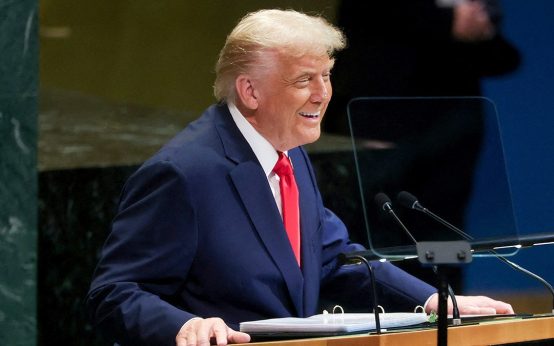 Trump’s Vision on Iran, AI, and Global Security at the UN
 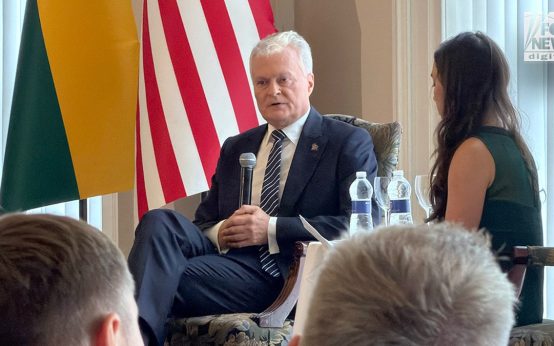 Lithuanian Leader Seeks U.S. Military Commitment Amid Rising Russian Threats
 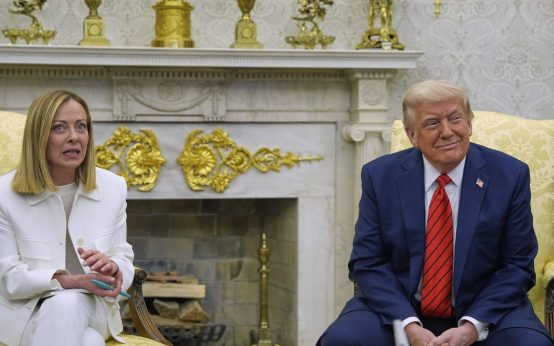 Italian PM Giorgia Meloni Skips UN General Assembly Amid Growing Tensions
  Calls Grow for Ireland’s Soccer Team to Boycott Matches Against Israel
  New U.S. Military Bases Planned in Greenland Amid Strategic Security Deal