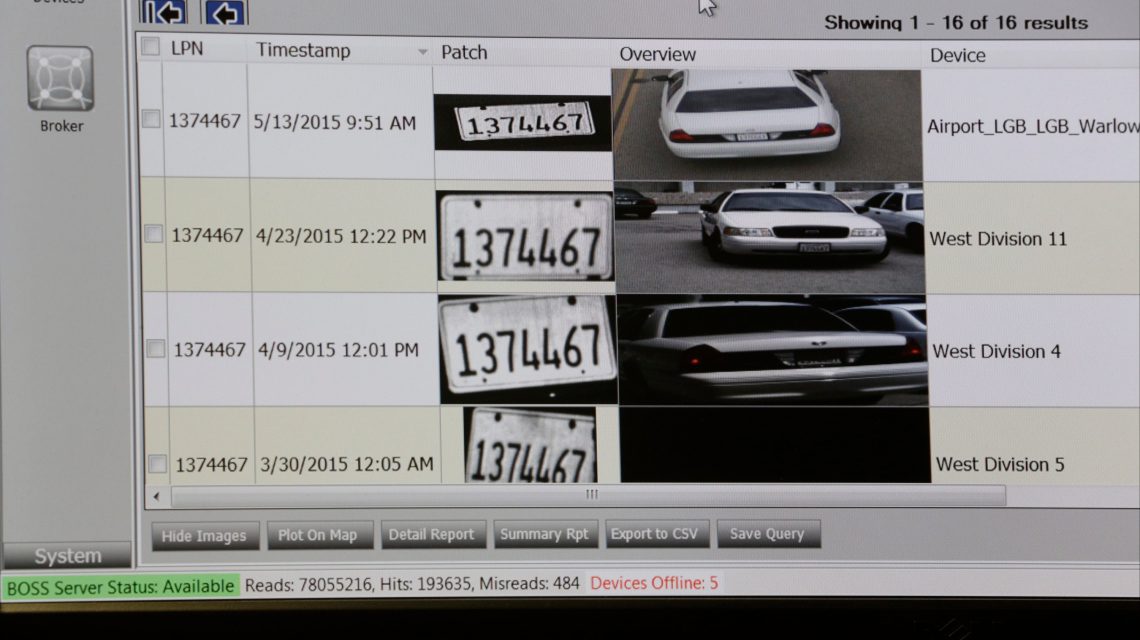
Flock cameras and other automated license plate readers (ALPRs) have faced significant scrutiny across the United States recently. Flock might be a familiar name in the ALPR industry, but it is among various technologies operating with similar objectives. These systems aim to gather specific information such as a vehicle’s license plate, make, model, and color.
Flock asserts that its devices can capture images of vehicles moving at speeds up to 100 miles per hour at a distance of 75 feet, both day and night. Their technology can also classify vehicles based on residency, license plate type, and even identify damage or alterations, like a broken taillight. While Flock cameras do not measure vehicle speed, Genetec’s ALPR system can estimate travel speed. Meanwhile, Motorola Solutions claims its technology can discern accessories and unique features like damage or bumper stickers.
Flock cameras capture images of vehicles as they pass by on public roads, focusing only on those within view, rather than all vehicles or individuals in a jurisdiction. Those interested can check the DeFlock crowdsourced map of ALPR locations across the U.S., with data sourced from volunteers and the OpenStreetMap community.
ALPRs have been in operation for over two decades according to the U.S. Department of Homeland Security. They are often mounted on poles, streetlights, and overpasses, though mobile versions exist as well. These readers scan license plates, compare them against databases, and can alert law enforcement if a vehicle is flagged. Law enforcement agencies can access stored images to trace vehicles or share details with other agencies.
Despite their usefulness, some areas have opted to discontinue ALPR usage. States like North Carolina, Indiana, Colorado, and Wisconsin have taken steps against these technologies. Florida has begun removing cameras from highways, and Texas withdrew state funding following privacy concerns and accusations of misuse.
In contrast to these actions, President Trump expressed support for ALPRs due to their benefits for law enforcement. He remarked positively about them on Air Force One, although acknowledging some people view them as infringing on privacy.
This article is protected by copyright, Nexstar Media Inc. 2026. Unauthorized republication or distribution is prohibited.