Continuing care retirement communities are expanding their services to assist retirees in aging at home. These programs provide support while controlling the increasing costs of aging.
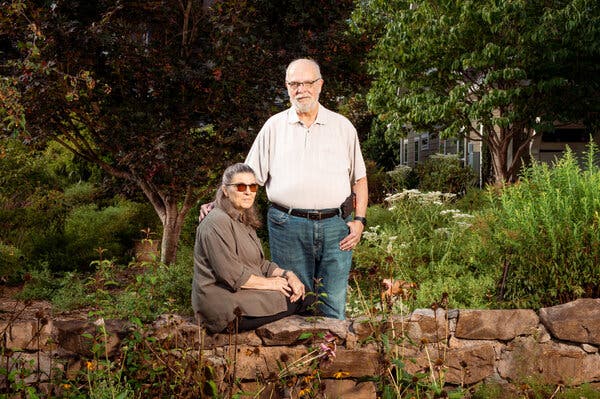
Joan Brasier and Paul Wilczynski joined a program near their home to maintain their independence while having the option of moving to a facility if required. Their story highlights this evolving model. The path to their Asheville, NC, home is step-free, and its interior is designed for ease, allowing them to stay indefinitely.
They have plans for travel but were worried about the expense affecting their future care budget. The answer came as a lesser-known retirement care model that blends community support with home living. Known as “continuing care at home,” this model assures future cost management and offers the potential for facility care if necessary.
In a 2024 AARP survey, 75% of adults expressed a desire to age at home, compared to 29% favoring traditional facilities.
This shows a growing reluctance toward moving into traditional care facilities, which demand significant entry and monthly fees. The at-home care model has developed enough to gain traction in the long-term-care industry.
Currently, only 37 of 1,911 continuing care retirement communities offer this option, according to LeadingAge. A decade ago, just 26 communities offered similar programs, indicating a rising interest.
Ms. Brasier and Mr. Wilczynski participate in Givens Choice, available through Givens Communities in North Carolina. It provides health check-ins and geriatric care management. The program offers a fixed-price plan for long-term facility care if needed.
 Understanding Postpartum Psychosis: A Personal Story and Broader Perspective
  Long-Term Health Impacts on 9/11 First Responders
  The Challenges of Egg Freezing and Family Planning in the U.S.
  COVID-19 Cases Increase Across the U.S.
  Voice Disorders Linked to Higher Dementia Risk in Study
  Protecting Yourself from MyChart Phishing Scams