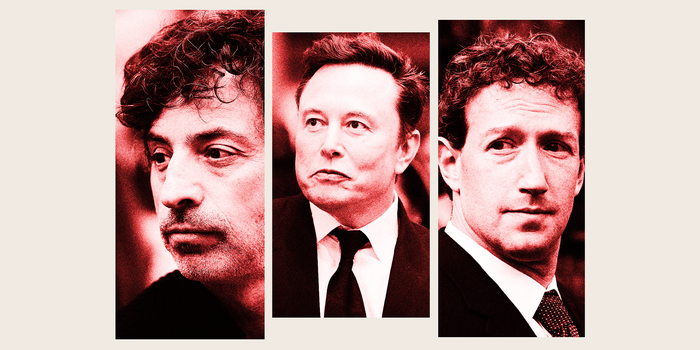
For many in the tech industry, the recent midterm elections felt like a wake-up call. While Silicon Valley’s elite celebrated, the general sentiment was mixed. California voters appeared to reject Proposition 40, which aimed to introduce a 5% tax on billionaires. Instead, there was support for Proposition 42, which could hinder future taxation efforts on financial assets. Results from these votes are still not final.
In California, a state known for its wealth inequality, the decision to oppose such taxes is seen by some as a failure of populism. Conversely, others view it as a triumph for free enterprise. Mike Solana of Founders Fund commented on social media, dismissing opponents of the defeated Proposition 40.
California is home to over 200 billionaires with a combined wealth of approximately $2.3 trillion. This amount equals the total annual income of all state residents, according to UC Berkeley economist Gabriel Zucman. Upcoming IPOs from companies like Anthropic and OpenAI may further increase this wealth.
Most wealthy individuals in tech amass fortunes through assets, particularly company equity, which often remains untaxed until sold. Notable billionaires like Mark Zuckerberg and Larry Page maintain minimal salaries to minimize income tax payments. Investor Tom Steyer supports a fairer tax system that includes taxing billionaire wealth.
Proposition 40 supporters argued for a fairer system that would still allow billionaires substantial wealth. Saikat Chakrabarti pointed out that even with the proposed tax, billionaires would remain significantly wealthy. Critics suggested that imposing taxes on paper wealth might damage the tech economy and cause wealthy individuals to leave the state.
Silicon Valley tech leaders, including Sergey Brin and Eric Schmidt, spent over $300 million to campaign against Proposition 40. By contrast, supporters invested $2 million in promoting the measure. The substantial spending disparity highlighted the challenges of advocating for such taxes.
The debate over Proposition 40 reflects larger national conversations about wealth taxation. Surveys show many Americans believe billionaires do not pay their fair share in taxes. A Pew survey revealed that 60% of people think corporations and the very wealthy underpay taxes.
Some Proposition 40 detractors, including Governor Gavin Newsom, favor federal wealth taxes over state-level initiatives. While they resisted Proposition 40 due to concerns over its implementation, they generally support the idea of taxing high wealth. Tom Steyer emphasizes the need for effective taxation plans for the wealthy.
As the 2028 elections approach, discussions around taxing the ultra-rich will likely intensify. Understanding how to address wealth disparities will be crucial for candidates vying for leadership. Business Insider continues to provide insights on the interaction between wealth, technology, and legislation.
 Congress Returns to Washington: Key Issues Ahead
 Democrats Missed Opportunities in the Southern States
 Attorney General Todd Blanche Discusses Potential Investigations Ordered by President Trump
 Immigration Policy Debate Among Democrats
 Stephen Miller’s Rise in Trump’s White House
 Trump Shares AI-Generated Video on Truth Social