
Democracy Dies in Darkness
Billionaires do not possess enough wealth to finance Medicare-for-All.
On July 19, 2026, a poll revealed a misconception among roughly three-quarters of Medicare-for-All supporters. Many believe that taxing billionaires alone would fully fund the plan, but this assumption is incorrect.
Echelon Insights conducted a survey showing that 74 percent of voters backing the proposal championed by Sen. Bernie Sanders (I-Vermont), Rep. Pramila Jayapal (D-Washington), and other progressive lawmakers think taxing billionaires would cover all Medicare costs. This misconception indicates a lack of understanding of the fiscal implications.
Medicare-for-All aims to provide universal healthcare coverage by expanding the current Medicare program. While increasing taxes on billionaires might contribute to funding the initiative, it is unlikely to cover all financial needs. Government programs such as Medicare require substantial funding, which typically involves broad-based tax policies affecting various economic sectors.
“Relying solely on billionaires for funding is unrealistic,” experts argue.
The belief that taxing the wealthiest Americans can single-handedly finance Medicare-for-All reflects a broader debate on healthcare funding in the United States. Addressing false assumptions about funding sources is vital for informed policy discussions on implementing universal healthcare.
 Allegations of Political Intimidation Surface After Raid on Democratic Congresswoman’s Home
  VP Vance Discusses DOJ Investigation on Rep. Ilhan Omar
 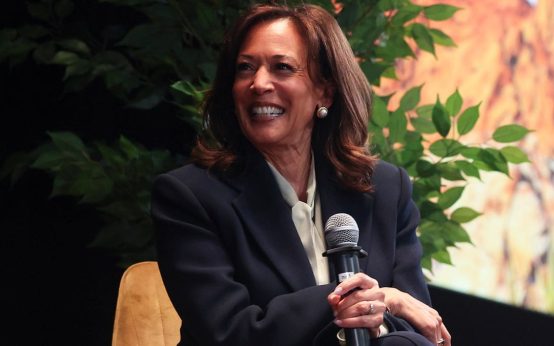 Vice President Kamala Harris Faces Scrutiny Over Potential 2028 Presidential Bid
  Financial State of U.S. States: Analysis and Insights
  The Role and Impact of Debates in Midterm Elections
 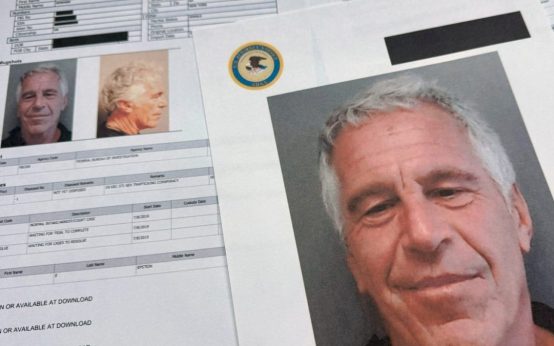 Lawmakers Pursue Continued Investigation into Epstein Case