
The American Red Cross announced a national blood supply crisis, marking only the second occasion in its history to do so. The organization reported that donations hit a four-year low this summer due to multiple factors.
Extreme heat and poor air quality are among the primary reasons contributing to the decline in donor turnout. Additionally, the increase in foodborne illnesses further impacted the willingness and ability of individuals to donate blood during this period.
Traditionally, summer months present challenges in maintaining steady blood donations. The vacation season often results in a reduced number of donors. Moreover, heightened outdoor activities during this time lead to more injuries, thereby increasing the demand for blood.
A volunteer participates in a blood drive organized by the American Red Cross in Chicago, illustrating the ongoing efforts to manage the crisis. Addressing the blood shortage remains crucial to meet medical needs and ensure patient care across the country.
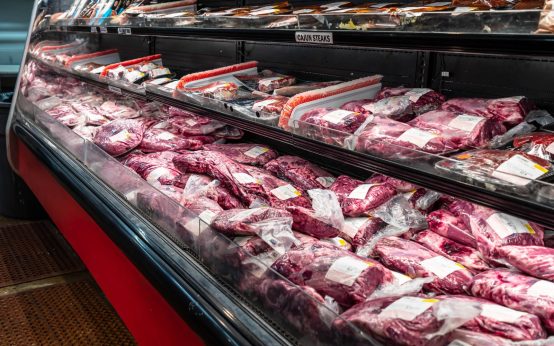 Recall of Meat Products from Star Meat Delivery Inc.
  Questions Arise After Presley Gerber’s Death in Rehab
  Upcoming Concerns and Influence in Health Politics
  Fraud Task Force Saves Billions by Tackling Obamacare Misuse
  Presley Gerber’s Passing Raises Addiction Recovery Concerns
 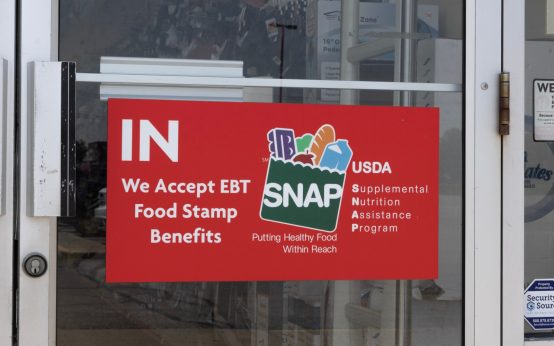 Understanding October SNAP Benefits: Payment Dates and Changes