
Bolivian President Rodrigo Paz submitted a bill to the Legislative Assembly on Tuesday aiming to enhance legal security and attract foreign investments. The proposal is part of a strategic legislative package designed to address the country’s economic crisis.
This initiative responds to demands from various productive sectors seeking to improve Bolivia’s image following almost two decades under leftist governments. Economy and Public Finance Minister José Gabriel Espinoza said the goal is to ensure predictability and security for investors and streamline scattered legal incentives and regulations.
The proposal is built on three pillars, outlining a roadmap for the next 20 years. Key sectors include logistics, artificial intelligence, the digital economy, innovation, and alternative energies like hydrogen and solar power. It also focuses on industries where Bolivia already excels. This marks a shift from previous leftist administrations that emphasized state investment and nationalized the hydrocarbons, telecommunications, and electricity sectors.
Espinoza highlighted past violations of property rights and constitutional rights over nearly 20 years, indicating a need for change. The government plans to establish a system of incentives and regulations to offer investors—domestic or foreign—predictability, security, stability, and confidence in line with the state’s Constitution.
Additionally, the National Investment Agency will be created to coordinate with various institutions, mayors, and governors. This agency will ensure logical institutional order in investment regulation, promotion, and strategy.
Gonzalo Morales, President of the National Chamber of Industries, emphasized the importance of legal security and regulatory predictability to restore investor confidence in Bolivia. According to the Economic Commission for Latin America and the Caribbean (ECLAC), Bolivia received $620 million in foreign direct investment in 2025, which represents 0.3% of the regional total.
Paz faces a challenge in negotiating with the fragmented Legislative Assembly. Recently, he distanced himself from his main ally, businessman Samuel Doria Medina, leader of the Unidad Alliance. Although some parliament members chose to remain independent, they expressed intentions to monitor the legislative measures.
Medina criticized the delayed response to the economic crisis exacerbated by over 50 days of anti-government blockades and protests from May to June. This crisis includes an ongoing fuel supply issue, particularly with diesel.
Despite these challenges, Paz secured international support and loans worth over $5 billion from international organizations.
 Ana Navarro on Remaining a Republican for Influence in Primaries
 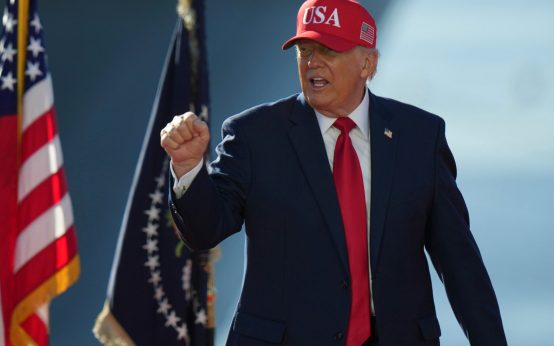 Trump’s Criticism of Fox News and Senate Race Coverage
 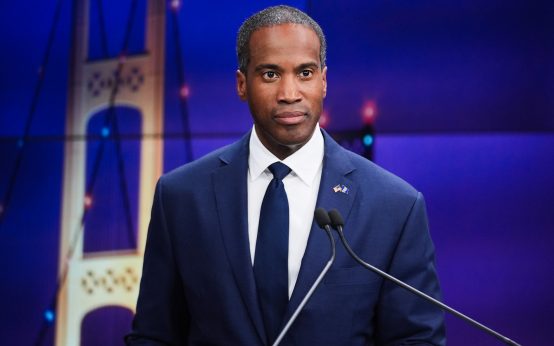 Susan Collins and Troy Jackson Clash in Maine Senate Debate
 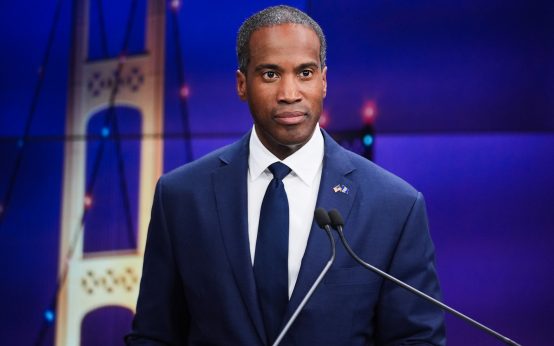 Maine Senate Debate: Susan Collins vs. Troy Jackson
  Brett McGurk Chronicles Negotiations for Hostage Release
 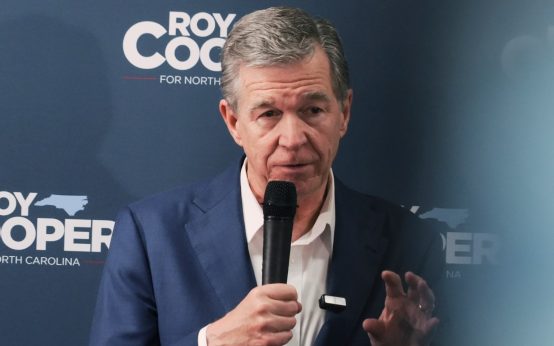 Senate Race Shifts Favor Democrats Ahead of Midterm Elections