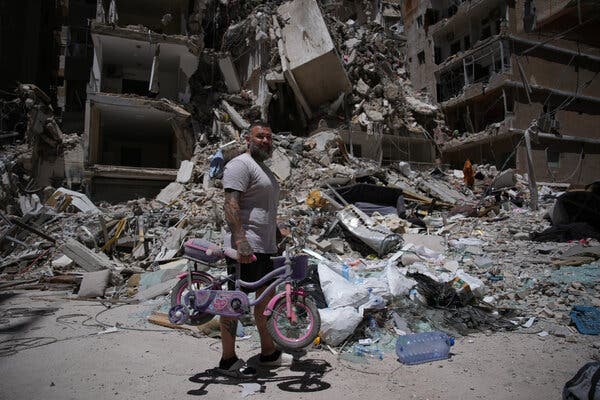
The newest cease-fire agreement between the United States and Iran includes a critical condition: ending the conflict in Lebanon. However, U.S. intelligence officials predict that Israel will continue its military operations against Hezbollah, despite the terms of the deal.
On June 19, 2026, Israeli Prime Minister Benjamin Netanyahu appeared poised to maintain military pressure on Hezbollah. U.S. intelligence reports indicate that domestic demands for continued action against Hezbollah’s assaults on northern Israel are significant. Israel perceives Hezbollah, a powerful military and political entity backed by Iran, as a significant threat. Israeli authorities believe abandoning military responses would be untenable.
American intelligence assessments suggest that Israel will persist in its military campaigns, even if such actions complicate ongoing negotiations between Iran and the United States. These talks aim to address parts of Iran’s nuclear ambitions and move toward a lasting peace agreement.
In Israel, the cease-fire agreement is unpopular. Criticisms target its omission of aspects of Iran’s missile capabilities, a stipulation for U.S. troop withdrawals, and, notably, the restrictions it places on Israel’s military activities in Lebanon.
Although not a direct signatory, Israel has shown some commitment to the deal. Israeli Ambassador to the U.S., Yechiel Leiter, announced that Israel agreed to an immediate cease-fire and ceased offensive operations in Lebanon. Nevertheless, he stressed that Israeli forces remain stationed in southern Lebanon, emphasizing that Israel’s security is non-negotiable.
Recent intelligence appraisals reveal a degree of skepticism within U.S. intelligence agencies about the durability of these commitments, pointing to continuing security concerns.
 Expert Analyzes British Airways Flight’s Rapid Descent Due to Pressurization Issue
  Debra Messing’s Shift in Political Support Amid New York Concerns
  Ana Navarro on Remaining a Republican for Influence in Primaries
  President Trump to Discuss Health Alert with Putin Amid Pneumonic Plague Concerns in Siberia
  Trump’s Criticism of Fox News and Senate Race Coverage
  Susan Collins and Troy Jackson Clash in Maine Senate Debate