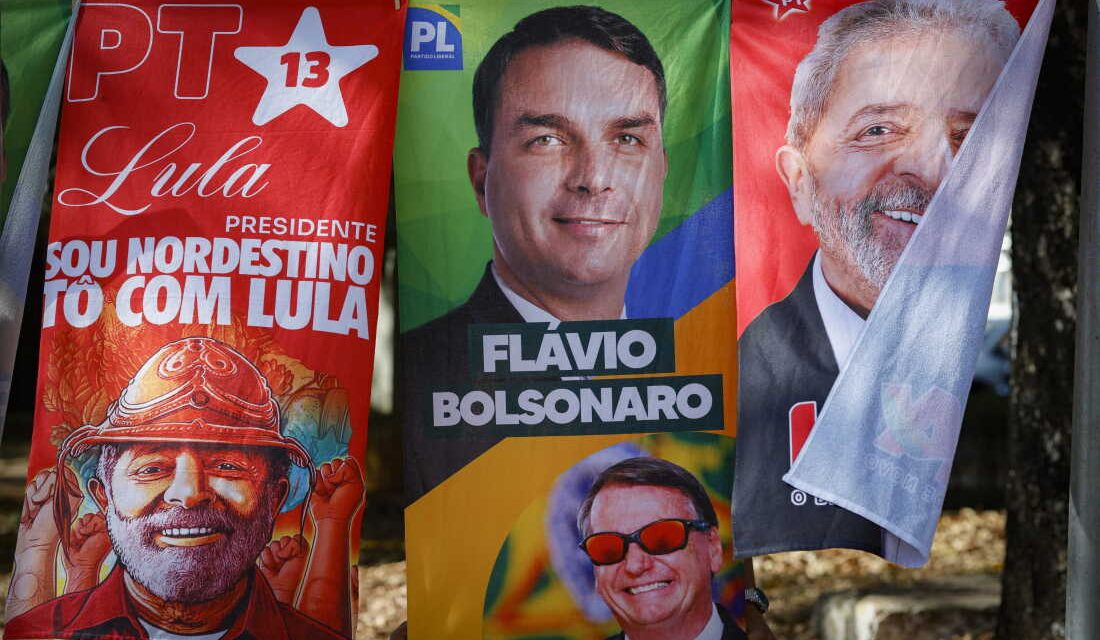
Brazil is set to hold its presidential elections on October 4, 2026, marking a significant political moment for the nation. The election represents a rematch from the 2022 contest, but introduces a unique dynamic as incumbent President Luiz Inácio Lula da Silva faces Flávio Bolsonaro, son of former President Jair Bolsonaro.
Political Tensions Persist
The 2022 election saw Lula narrowly defeat Jair Bolsonaro, who is now serving a 27-year prison sentence for attempting a coup to overturn his defeat. Flávio Bolsonaro, a 45-year-old senator, has promised to pardon his father if elected and aims to carry forward his father’s political movement, promising to be a ‘more moderate Bolsonaro.’ Despite this claim, he has expressed few policy differences from his father and continues to cast doubt on climate change responsibility while advocating for easier access to firearms.
Lula’s Bid for a Fourth Term
At the age of 80, Lula seeks to secure a fourth presidential term. His campaign emphasizes his past achievements in poverty reduction and Amazon rainforest protection, despite past jail time on corruption and money laundering charges that were later annulled for procedural reasons. The election outcome could pivot Brazil’s government either towards Lula’s left-leaning policies or return to the conservative Bolsonaro movement.
Implications Beyond the Presidency
The elections hold implications beyond the immediate candidates, affecting Brazil’s Supreme Court balance and legislative dynamics. The elected president is expected to appoint four of 11 Supreme Court justices, wielding significant influence over Brazil’s judiciary. Additionally, the president’s policies will shape the country’s economy, environmental strategies, international relations, and the robust weight of Brazil’s democracy.
Potential for Runoff
Polls indicate a tight race between Lula and Flávio Bolsonaro among several presidential candidates. Alongside the presidential election, legislative seats and governorships are also contested. If no candidate achieves over 50% of valid votes, a runoff on October 25 will occur. Brazil’s electronic voting system typically delivers results swiftly, and first-round outcomes will likely be clear by Sunday night.
The Bolsonaro Legacy
Jair Bolsonaro’s attempts to overturn the 2022 election results have left a significant legacy, influencing this campaign. Flávio Bolsonaro’s promise to pardon his father has highlighted legal matters while stoking questions about the future of Brazil’s democratic foundations. Despite his own legal controversies, Lula emphasizes his record and the improved socio-economic metrics achieved during his past leadership.
Domestic Concerns Influence Voters
Although debates focus extensively on the Bolsonaro family’s influence, voters are also heavily concerned with local issues. Safety and crime are pressing topics, with Bolsonaro advocating for U.S. military collaboration and Lula focusing on targeting crime financing. Additionally, economic challenges and corruption allegations have surfaced, impacting the campaign’s momentum.
U.S. Influence
The role of the United States in the Brazilian election has become notably conspicuous, especially with Flávio Bolsonaro’s campaign aligning with Trump administration supporters. The presence of U.S. flags at his rallies underscores this relationship. In contrast, Lula has actively resisted U.S. pressures, reflecting in negotiations on tariffs and criticisms over Venezuela policies. Claims of potential U.S. intervention on Brazilian voting integrity have stirred controversy, though U.S. officials deny such claims.
Implications for Brazilian Democracy
Brazil ranks relatively high on the Liberal Democracy Index, yet faces potential challenges with Flávio Bolsonaro’s proposed pardon for his father, which could test the durability of democratic norms. As Latin America’s largest economy, Brazil’s influence on international platforms like the G20 and BRICS is significant, making the election’s outcome pivotal for global trade, environmental policies, and geopolitical balance.
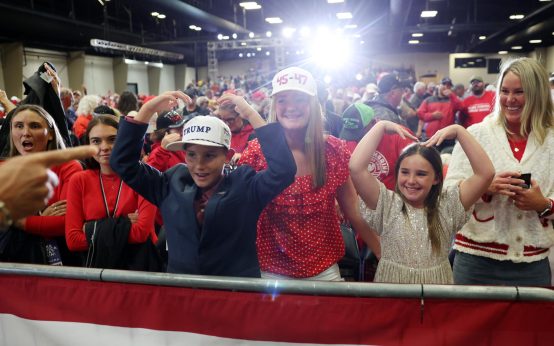 Trump Rallies Support Amid Midterm Election Challenges
 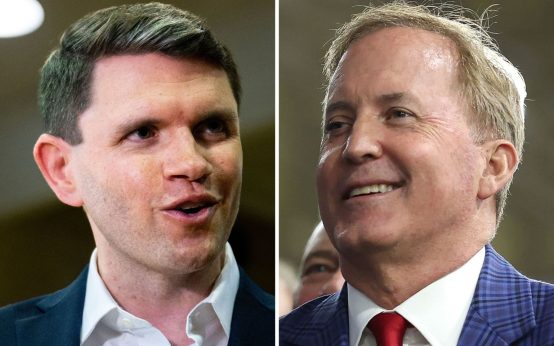 Texan Voters Concerned About Paxton’s Ties to Trump, Fox News Poll Reveals
 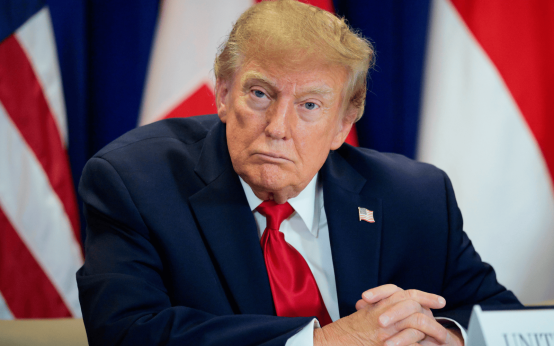 Trump’s Approval Ratings Decline Across Battleground States Before Midterms
  Controversy Surrounds Texas Senate Nominee’s Use of Faith in Political Agenda
  Record Number of Native American Candidates in Elections
  Unexpectedly Competitive Senate Race in New Hampshire