
The recent developments in Brazil involving the Bolsonaro family have sparked significant debate about the country’s legal system. Flávio Bolsonaro’s arrival in Miami just days after losing in Brazil’s presidential runoff election has brought these issues to the forefront. His departure raises questions about the state of democracy in one of the largest nations in the Western Hemisphere.
Flávio Bolsonaro claims that he left Brazil out of fear of imminent arrest, citing a lack of faith in receiving a fair trial from the country’s justice system. This claim, whether proven accurate or not, highlights concerns about the rule of law in Brazil. It underscores the fears held by some that the judicial processes in Brazil may not provide equal treatment for all, particularly in high-stakes political cases.
The situation has drawn attention globally because it suggests potential weaknesses in Brazil’s democratic institutions. The country’s legal framework and judicial independence are essential to maintaining trust in its democratic procedures. If individuals, especially political figures, believe they cannot receive fair treatment, it casts doubt on the effectiveness and impartiality of these institutions.
The broader implications of these events are significant. They provoke a discussion about how democracies handle allegations of misconduct, especially among high-profile individuals. In this context, ensuring that justice is administered without bias is crucial for the credibility of Brazil’s political and legal systems.
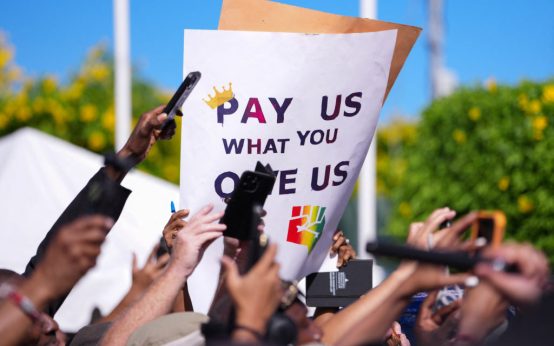 King Charles Grapples with Legacy of Slavery During Caribbean Tour
 Tragic Train Collision in Spain Claims 68 Lives
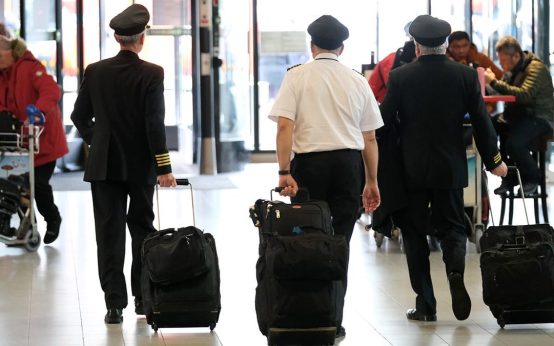 Pilot Fatigue: A Growing Concern in Aviation Safety
 Strategists Discuss Midterm Race Developments
 Over 40 Million Early Votes Cast Ahead of Crucial Elections
 Trump’s Controversial East Potomac Park Redevelopment Faces New Hearing