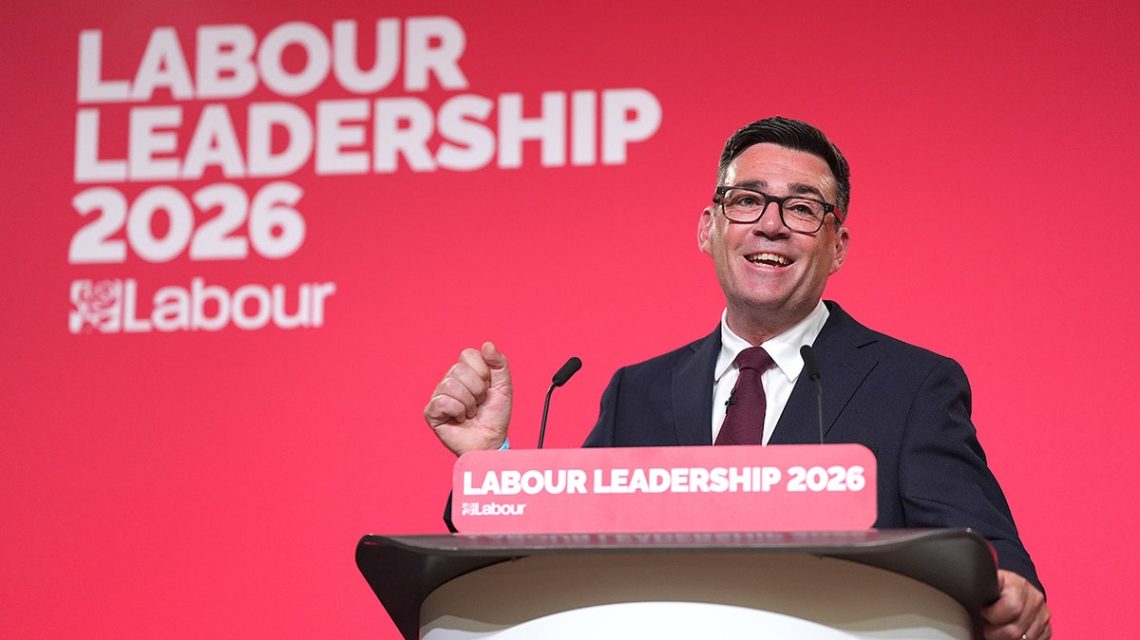
Andy Burnham, Britain’s incoming Prime Minister, made an impactful debut as Labour leader, condemning the economic model shaped by Margaret Thatcher in the 1980s. In his first speech, Burnham advocated for greater public control of essential services, signaling a leftward shift from outgoing Prime Minister Keir Starmer.
Burnham, who will officially assume office on Monday, criticized the centralization of political power and the transfer of economic power to private companies during the 1980s. His candidacy was unchallenged, gaining support from 379 Members of Parliament.
“The country surrendered control of the essentials — housing, water, energy, transport — and left people exposed to higher costs,” Burnham remarked during his speech in London.
Burnham declared that four decades of neoliberal economic policy have not favored the working-class and industrial communities. He described his rise to Prime Minister as Britain’s most significant political event in 40 years.
According to Alan Mendoza, executive director of the Henry Jackson Society, while Burnham’s speech was ideologically clear, it lacked specifics about implementation. “With Burnham, there is a lot of light and heat, but not much actual substance,” Mendoza commented.
Burnham’s intention is to move Labour away from Starmer’s cautious approach to a position of increased state ownership and involvement. He emphasized a shift towards social housing expansion, regional government empowerment, and state participation in essential services.
Critics, including the Adam Smith Institute, defended Thatcher’s era by listing economic improvements achieved during that period. They noted reductions in tax rates, privatizations, rising homeownership, and fewer days lost to strikes.
Emma Schubart, a research fellow at the Henry Jackson Society, argued that Burnham misunderstands taxation and economic incentives. “The biggest takeaway is that he comes across as pretty economically illiterate,” Schubart said.
Despite criticism, Burnham insisted on being a “pro-business leader,” advocating for public control of essential services and collaboration with private businesses.
The political shift is a significant gamble for Burnham, who must unite Labour’s factions and reassure financial markets amidst Reform UK’s challenge. Mendoza warned that Burnham’s approach might complicate relations with the Trump administration and risk British national security.
Burnham’s inauguration as Prime Minister by King Charles III is anticipated on Monday.
 Republican Senator Criticizes Trump’s $5,000 Check Proposal
  Trump’s Approach to Iran at the United Nations
  Trump’s Triumphal Arch Controversy
  Concerns Over Abdul El-Sayed’s Potential Senate Role and National Security
 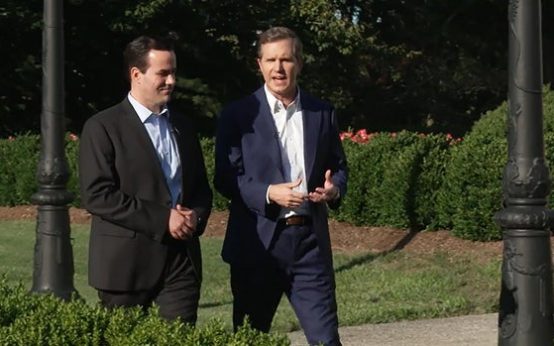 Kentucky Governor Andy Beshear Discusses Tariffs, Faith, and Political Ambitions
 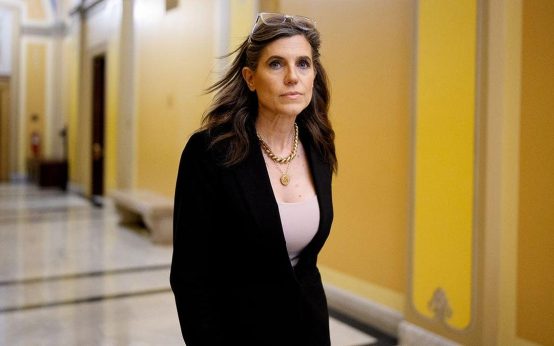 Sunday Highlights: Lane Kiffin, Nancy Mace, and College Football Drama