
Outside the iconic address of 10 Downing Street, Prime Minister Keir Starmer made a significant announcement. On Monday, he resigned from his position amidst mounting pressure from his party, the Labour Party. His departure has set the stage for the emergence of a new leader by September.
Starmer’s speech marked the end of a turbulent phase in British politics. He highlighted years of disappointment and despair, yet emphasized the potential for positive change in millions of citizens’ lives. His resignation signals a pivotal moment, leading to a transformation in the country’s leadership and governance.
This shift not only impacts the Labour Party but also reshapes the trajectory for the nation’s future. As the search begins for Starmer’s successor, the focus is turned toward revitalizing the party’s vision and policies. The Labour Party aims to address national challenges and improve the welfare of the public.
“A page in our country’s history turned after years of disappointment and despair. The chance to change the lives of millions of people for the better,” Starmer stated, reflecting hope amidst his departure.
As the political climate evolves, the new leader has an opportunity to steer and inspire fresh strategies that resonate with the electorate’s needs.
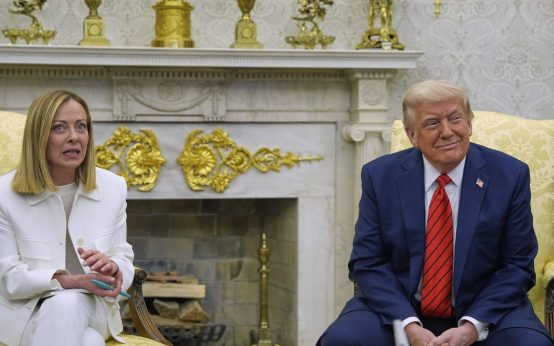 Italian PM Giorgia Meloni Skips UN General Assembly Amid Growing Tensions
  Calls Grow for Ireland’s Soccer Team to Boycott Matches Against Israel
 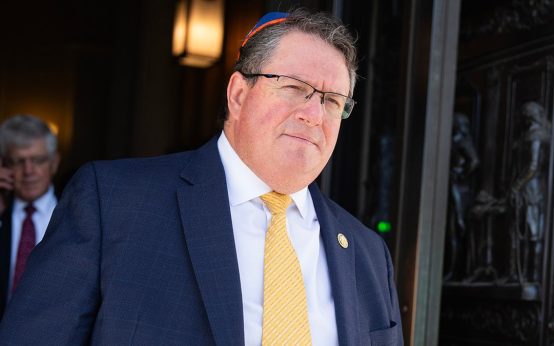 Congressman Randy Fine’s Bold Political Stance and Views on AI Regulation
 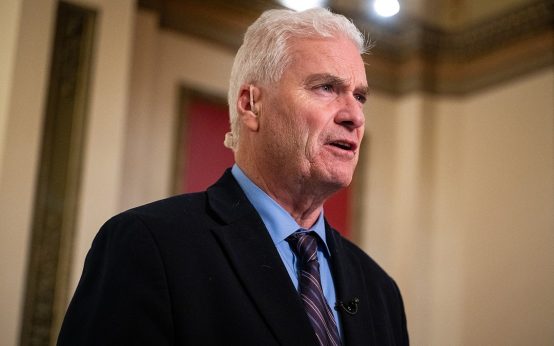 Political Messaging and Strategy Leading Up to Midterms
  President Trump Proposes ‘Super Intelligence’ as New AI Term
  Trump Administration Considers Diesel Export Ban Amid Rising Prices