
In recent months, Bulgaria has experienced significant changes, adopting the euro and prompting the resignation of a former leader through major protests. The nation has earned its first victory in the Eurovision Song Contest, underlining its evolving role in European popular culture.
Bulgaria’s success in the contest aligns with its recent adoption of the euro and the election of a new government committed to combating corruption. Prime Minister Rumen Radev expressed pride in the country’s achievements, particularly highlighting Dara’s triumph at Eurovision as evidence of Bulgaria’s potential on the European stage.
Radev, who assumed office this month, praised Dara, a 27-year-old singer, describing her victory as a “Bulgarian triumph with global significance.” This Eurovision win marks a milestone for Bulgaria, a nation that has often remained on the periphery within the European Union since its accession in 2007.
Joining the Schengen free travel area in 2025 was seen as a major advancement, celebrated by European officials. Furthermore, recent protests, primarily involving young citizens, demanded political reform and less corruption, culminating in the resignation of the previous prime minister.
With plans to host the Eurovision Song Contest’s 2027 edition, Bulgaria looks forward to an event that coincides with the 20th anniversary of its EU membership. These developments signify Bulgaria’s growing influence and its readiness to host one of Europe’s most prestigious cultural showcases.
 Artistic Chronicle of Communities’ Recovery Post-Hurricane Helene
  Chicago History Museum’s Latin American Exhibit Sparked by Student Protests
  DNA Links Jefferson to Hemings Descendants
  Ari Emanuel’s Memoir: A Business-Centric Narrative
  Celebrating Day of the Dead: Students Craft Calaveras in Pilsen
 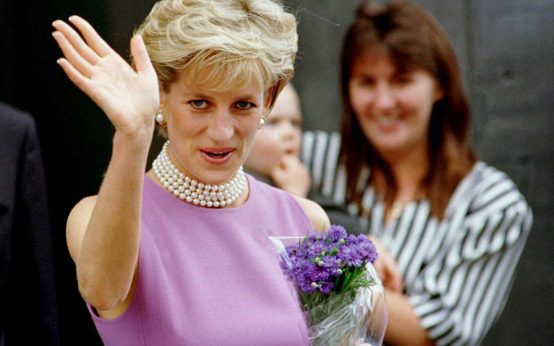 Controversial Revelations from Charles Spencer’s New Book on Princess Diana