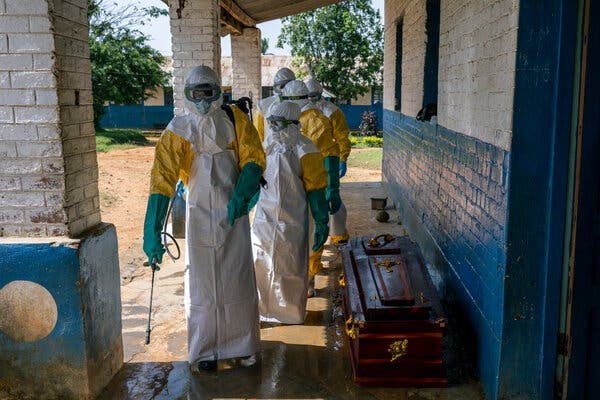
The Bundibugyo virus, a previously rare type, is now at the focus of a rapidly expanding outbreak in Africa. Historically, this virus caused only two minor outbreaks. However, today it plays a major role in the epidemic gripping the Democratic Republic of Congo and Uganda.
Health workers are on the ground, providing supportive care and isolating the sick. They hope some patients will recover independently and diligently trace contacts to prevent further spread.
Currently, vaccines and drugs are not in use to combat the virus effectively. This absence frustrates scientists, given the epidemic’s scale. Efforts are underway to find suitable vaccines and medications.
On Monday, two nonprofit vaccine organizations announced significant funding to develop vaccines. Concurrently, World Health Organization experts have recommended trials for several monoclonal antibodies and drugs as potential treatments.
Researchers caution that determining the effectiveness of these interventions will take months. Even so, treatments will likely be beneficial as the outbreak persists.
Richard Hatchett, CEO of CEPI, an organization backing vaccine and pandemic response development, stated, “It’s going to take a long, committed response to bring this outbreak under control.”
Fighting Ebola is particularly challenging because it involves more than one virus type. The term “Ebola virus” refers to a virus species first identified in 1976 in what was then Zaire.
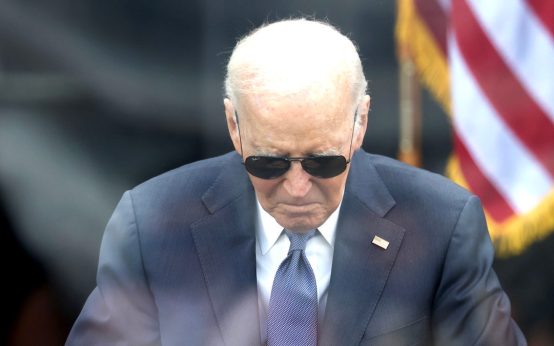 Joe Biden’s Battle with Prostate Cancer: A Deeper Look
  Rising Cases of Vibrio Vulnificus Infections in Louisiana and Florida
  Ethan Suplee’s Approach to Weight Loss and Sobriety
 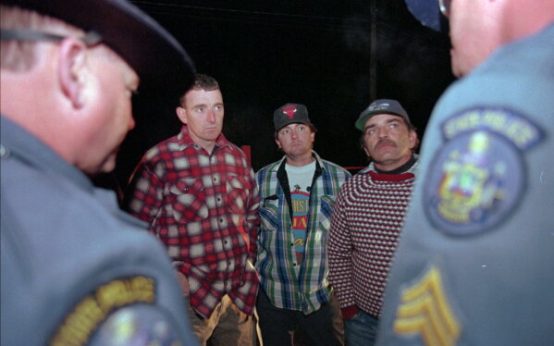 MaineHealth to Close Lincoln Hospital Maternity Unit Despite Community Opposition
 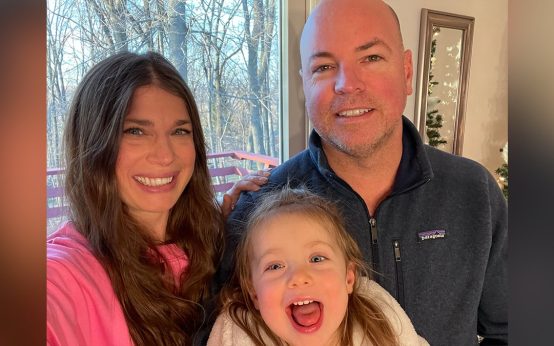 A Personal Journey with Cancer: Strength, Family, and Hope
  Coping With Cancer: A Personal Journey