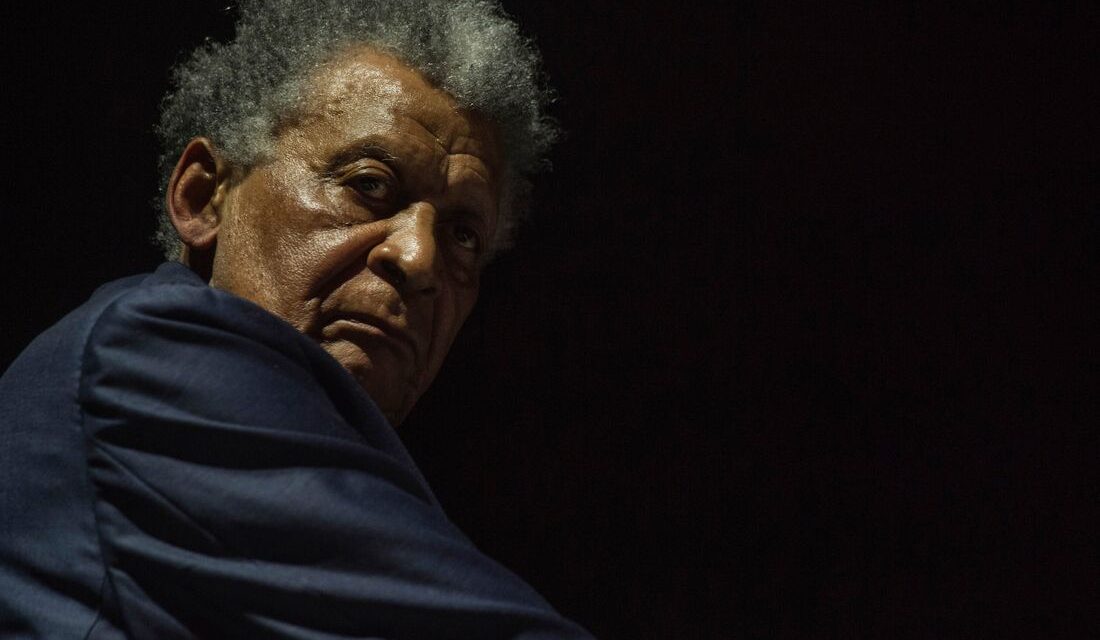
Abdullah Ibrahim, a revered South African jazz pianist, passed away in Germany at the age of 91. His partner, Marina Umari, said he died peacefully, carrying South Africa close to his heart. Ibrahim’s career, which spanned eight decades, played a significant role in introducing bebop to South Africa and forging connections with jazz legends like Duke Ellington.
Born Adolph Johannes Brand in 1934, Ibrahim began piano lessons at age seven, inspired by his mother who played in their church. By 15, he was performing professionally, under the name Dollar Brand, and later formed the Jazz Epistles with trumpeter Hugh Masekela in the late ’50s. Their album ‘Jazz Epistle Verse One’ broke new ground as the first jazz album by an all-Black South African ensemble.
After facing governmental harassment post the 1960 Sharpeville massacre, Ibrahim relocated to Europe. In 1963, his future wife, Sathima Bea Benjamin, introduced him to Duke Ellington, leading to the production of ‘Duke Ellington Presents the Dollar Brand Trio.’ This collaboration catapulted Ibrahim into the European jazz scene. His concerts became known for their introspective quality, turning large halls into intimate venues.
Pianist Vijay Iyer admired Ibrahim’s ability to create a meditative atmosphere, valuing the tranquility in his performances. South African pianist Nduduzo Makhathini recalled being captivated by Ibrahim’s sound, which resonated with familiar themes intertwined with global influences.
Ibrahim moved to the United States in 1965, performing at the Newport Jazz Festival and substituting for Duke Ellington on tour dates. A Rockefeller Foundation grant in 1967 allowed him to study at Juilliard, where he mingled with jazz greats like Max Roach and Ornette Coleman. After converting to Islam in 1968, Ibrahim’s music evolved to synthesize jazz with South African elements.
His composition ‘Mannenberg,’ written during a visit to South Africa in 1974, became iconic, gaining recognition as an unofficial anthem during the apartheid era. Nelson Mandela admired Ibrahim, dubbing him South Africa’s Mozart.
In the 1980s, Ibrahim’s international presence grew, performing with his band Ekaya. Pianist Kenny Barron praised a performance with saxophonist Carlos Ward, the experience inspiring him to write ‘Song for Abdullah.’
Ibrahim’s influence on future jazz musicians was profound, inspiring a new generation, including Makhathini. Known for his innovative compositions, Ibrahim’s work carried echoes of the unique styles of artists like Herbie Nichols.
Beyond performances, Ibrahim composed music for films such as ‘Chocolat’ (1988) and ‘No Fear No Die’ (1990). His life and music were chronicled in documentaries ‘A Brother with Perfect Timing’ (1987) and ‘A Struggle for Love’ (2005).
His contributions earned prestigious recognition, including the NEA Jazz Masters Fellowship in 2018. In a 2019 conversation, Ibrahim reflected on lessons from Ellington about the significance of blending old and new works. He shared his philosophy on the continuous journey of artistic expression.
 AI in Latin Music: Navigating New Challenges
  Kevin Costner Sparks Romance Speculation with New Outing
  Nicki Minaj Shares Career Insights and Support for Trump
  Christine Taylor Reflects on Hollywood Career and ‘Hey Dude’ Salary
  Riot Fest Ends Early Due to Storm Warnings
  Riot Fest Day 3 Delayed Due to Weather