
Polling is experiencing significant scrutiny. Some critics are quick to declare polls obsolete. However, the quality of polls hasn’t deteriorated. Instead, a combination of factors is creating unique challenges.
Understanding these challenges is crucial for both pollsters and the public. Several elements contribute to the current difficulties in polling:
- Technological Changes: Advances in technology are altering how data is collected and analyzed. This affects poll accuracy and reliability.
- Changing Communication Habits: People’s communication methods are shifting, impacting how pollsters reach participants.
- Population Diversity: Increasing diversity in populations makes it harder for polls to represent all demographics accurately.
- Public Skepticism: People are increasingly skeptical of polls, questioning their validity and relevance.
These factors make it harder for individuals to comprehend polling results. It is crucial for everyone involved to remain informed and adaptable to these evolving challenges.
 Former U.S. Ambassador to Greece Faces Ethical Violation Allegations
  Maintaining America’s Infrastructure: A Crucial Task
  Supreme Court’s Impact on Democratic Representation
 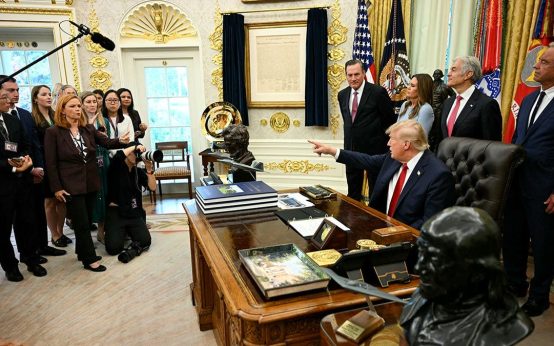 Brit Hume Questions Trump’s Media Ban
 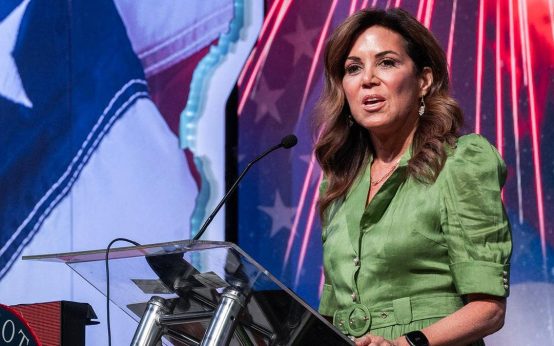 Republicans Eye Senate Opportunity in Minnesota with Michele Tafoya
 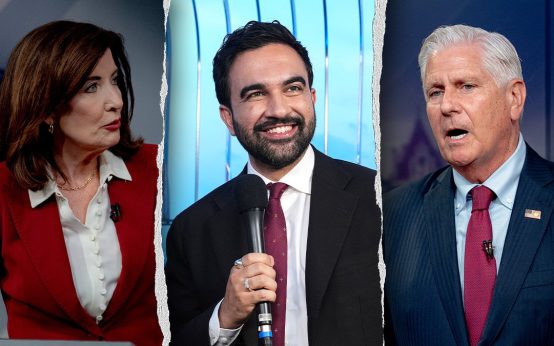 Hochul Treads Carefully Amid Criticism of NYC Mayor Mamdani in Debate