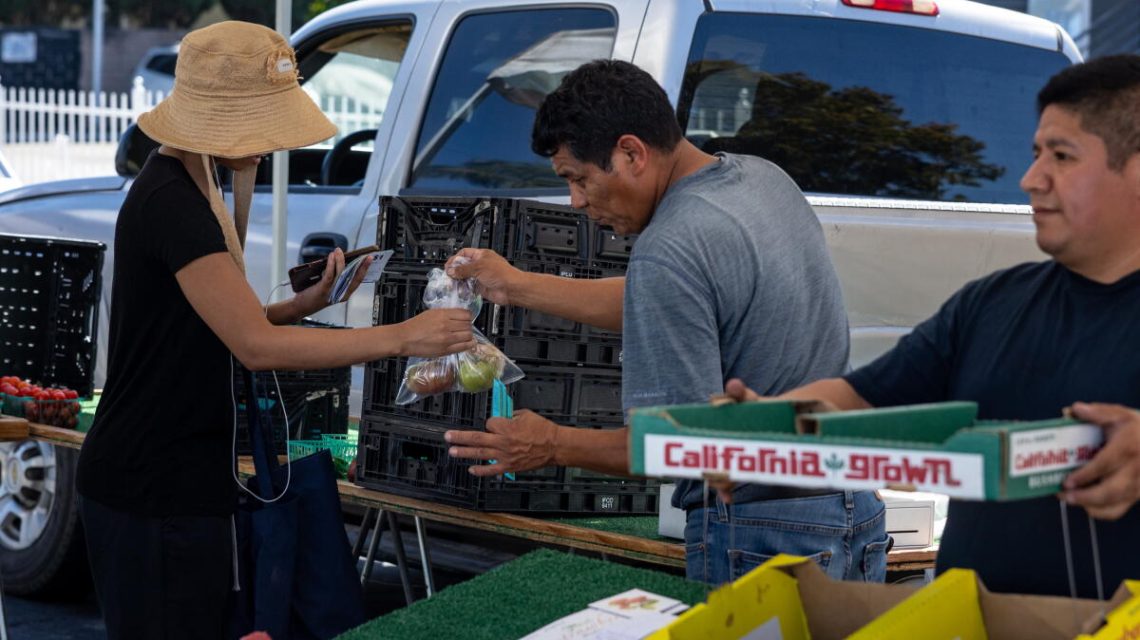
The U.S. economy is facing several challenges as global trade conflicts, led by President Trump, contribute to inflation and increase the cost of everyday goods. The ongoing conflict with Iran is further impacting gas prices. Tax reductions have caused the national debt to exceed $40 trillion, leading to issues in the bond market. Additionally, a strict immigration policy is disrupting the labor supply in key industries like agriculture, construction, hospitality, and food processing, pushing prices higher.
Political Consequences
As Trump nears the midpoint of his second term, the economic challenges are becoming a liability for Republicans in the upcoming midterm elections. Despite winning reelection with promises of economic improvement, Trump’s policies are now under scrutiny. Polls show low public approval of his economic management, with only 22% of Americans seeing the economy in a positive light, according to a University of Massachusetts Amherst survey.
Experts like Aaron Klein from the Brookings Institution highlight that voters tend to remember spring and summer economic conditions, influencing their decisions in November. Positive news in the economy has been scarce, and recent conflicts, like the trade dispute with Canada, pose additional challenges.
Public Opinion and Political Reactions
Public confidence remains low, with over 90% of Americans believing in the prevalence of corruption within the Trump administration. Some Republican candidates, like Senator Susan Collins, have publicly criticized Trump’s trade policies, considering them detrimental to reelection efforts.
Although Trump maintains that the economy is strong and distances himself from potential midterm losses, Republican leaders such as Rep. Mike Johnson acknowledge the elections will reflect on Trump’s presidency.
Economic Sentiment
The views of everyday Americans, like those expressed by Joanne Hsu from the University of Michigan, show a deep discontent with rising gas prices and economic uncertainty. The Iran conflict has left consumers frustrated, with many feeling immediate financial impacts.
Vice President JD Vance has acknowledged these issues, citing Iranian actions as a key reason for increased gas prices. On the economic front, developments like a new agreement with Venezuela are hoped to eventually reduce oil prices.
Economic Pressure on Individuals
For individuals such as Monica Escalante, a home care provider, the inflationary pressures are tangible and affect daily life. Following new tariffs and rising gas prices, many face tough financial decisions in their routines.
As a result, economic concerns play a significant role in voter priorities ahead of the midterms. The choices made will heavily influence the political landscape and subsequent strategies regarding economic policies.
 New York Mayor’s Legal Move Against Promised Bonuses
  Diplomatic Efforts Amid Ongoing Conflict: Witkoff’s Strategy in Ukraine
  Can the U.S. Afford a Major War? The Impact of the Deficit on National Defense
  Public Scrutiny of Tech Giants and Historical Parallels
  The Debate Surrounding Labor Day and Union Powers
  Antiestablishment Candidate Randy Villegas Challenges Conventional Political Strategy