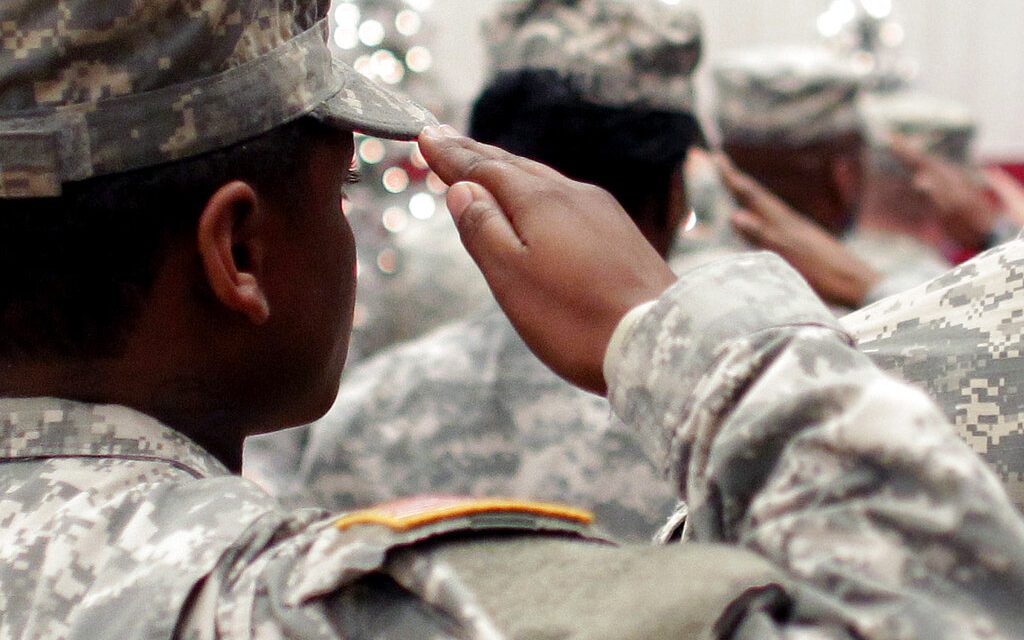
Military service can open doors, especially in higher education. The GI Bill is a key factor, offering veterans a chance at a debt-free college education. The U.S. military has seen strong recruitment recently, with the Navy and Army meeting their targets ahead of schedule. Congress supports this growth, authorizing an expansion by 26,100 troops.
Education benefits are a major reason many join the military. Yet, only about 30% of veterans hold a bachelor’s degree. Colleges play a crucial role in fulfilling promises made to service members. A credible transition to civilian opportunities is essential.
I experienced the value of college while serving in the Air Force. I obtained a master’s degree in organizational leadership from National University. Flexible online courses allowed me to continue my education despite deployment.
Unfortunately, many campuses follow an outdated academic schedule. This schedule does not align with the realities faced by service members, reservists, and veterans juggling jobs. Similarly, campuses must recognize the unique challenges veterans face, such as PTSD, traumatic injuries, and moral injury.
Bringing Veterans Affairs clinicians directly to colleges is limited, with only 54 institutions offering clinical care. It’s only part of what veterans need. Institutions must foster relationships with veterans, understanding their needs beyond academic assistance.
Also important is credit for military service. Veterans have skills and experiences that are valuable. Colleges should offer credit for prior learning, easing the path to a degree and valuing the service members’ expertise.
Lack of career guidance is another issue. Advisors should help translate military experience into civilian career language. Establishing connections with high-demand industries is crucial. Programs that combine education benefits, career services, and wellness support streamline transitions from military to college to career.
Word of mouth influences recruitment. When veterans leave college without degrees, the story impacts others weighing enlistment. Higher education must uphold its promise to those serving.
Philip “Flip” West, National University and UCLA Alumni, shares his views independent of the Department of War.
 Shepherd Night Schools in Lesotho Provide Vital Education
  Selective Accountability in Education Raises Concerns
  Debate Over New York City’s Specialized High School Admissions
  Addressing Loneliness Among College Students
  Understanding College Costs and Financial Aid
  Charlotte Mason’s Influence on Modern Education and the Appeal of ‘Living Books’