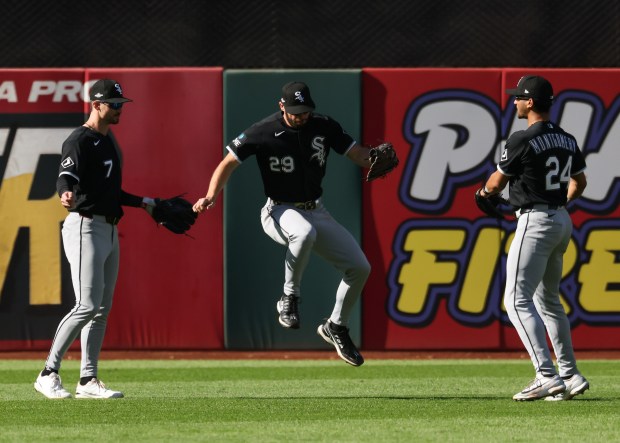
In August, after the White Sox managed to win their final game in the City Series against the Cubs at Wrigley Field, pitcher Erick Fedde jokingly suggested that splitting the series might have helped keep peace in Chicago. Such remarks underscore the fierce rivalries between these teams, a storied part of the city’s history, which often stirs intense emotions, occasionally flaring into on-field altercations.
Postseason Dynamics
With the Cubs out of the playoffs and the White Sox advancing to the American League Division Series, Chicago’s baseball loyalties face a test. Erick Fedde expressed a preference for passionate lifelong White Sox supporters over casual fans, emphasizing the importance of loyalty but welcoming support at a distance. Sox fans have been encouraged to make a statement by wearing black during the upcoming games at Guaranteed Rate Field, continuing a tradition from previous significant matches.
Community and Support
Brooks Boyer, the White Sox’s marketing manager, encourages fans from all backgrounds to support the team. As many Cubs fans grapple with their recent postseason exit, Boyer notes that the White Sox’s engaging style makes them easy to root for, even becoming a bit of a universal pick for those whose teams are no longer in the running. Meanwhile, some Sox fans, particularly those with deep familial ties in the South Side, continue to harbor animosity towards their North Side counterparts due to long-standing competitive tensions.
“The Sox have an infectious energy and are easy to support if your team is out. We’re everyone’s team if they choose,” Boyer said.
The rivalry isn’t new. It dates back to instances like the 1906 World Series, where the underdog White Sox, dubbed the “Hitless Wonders,” surprised the heavily favored Cubs, creating a rift that endures today. Recent games have seen players like Munetaka Murakami and Mike Vasil become central figures, drawing attention and admiration from all corners.
Opinions From the Field
White Sox players have mixed feelings about accepting support from Cubs fans. Reliever Mike Vasil welcomes fans, provided they don’t switch allegiance when convenient. Center fielder Tristan Peters sees merit in citywide support, though recognizes the seriousness some place on the rivalry. Designated hitter Andrew Benintendi finds strength in numbers, though feels indifference towards non-supporters.
White Sox first baseman Sam Antonacci, recalling his treatment at Wrigley, playfully welcomes Cubs fans who switch allegiance, as long as they don attire supporting the White Sox.
“They treated me well at Wrigley, so why not welcome them here as long as they’re in Sox colors?” Antonacci remarked.
A Shifting Normal
The rivalry has broader cultural implications. Though historic, bars previously capitalized on this tension, like McNally’s offering promotions at the Cubs’ expense, the modern economy sees money as neutral regardless of team preference. Today, bars throughout Chicago serve fans from both teams, reflecting potential for softened rivalries.
Ultimately, while historical conflicts persist, some young Chicagoans approach the rivalry less combatively. Acknowledging the joyful nature of baseball and encouraging camaraderie, a comment from within the White Sox organization encapsulates a potential shift in perspectives.
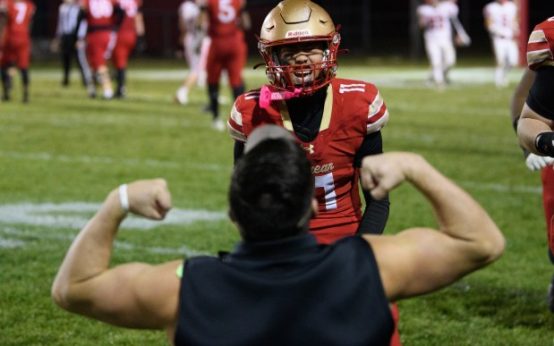 Tyler Vo’s Journey and Athletic Achievements
 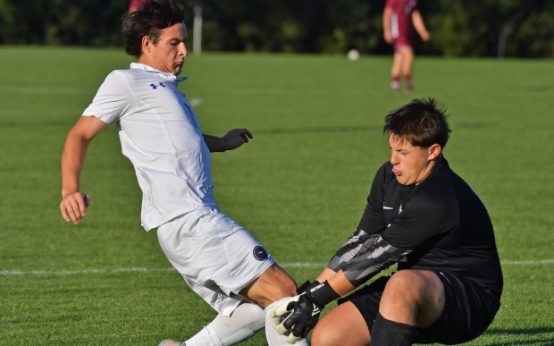 Owen Bohren’s Impressive Comeback Boosts Lincoln-Way East
 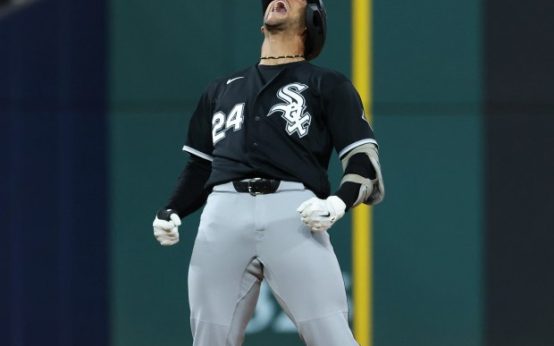 White Sox Clinch Dramatic Victory Against Guardians in Game 2 of ALDS
 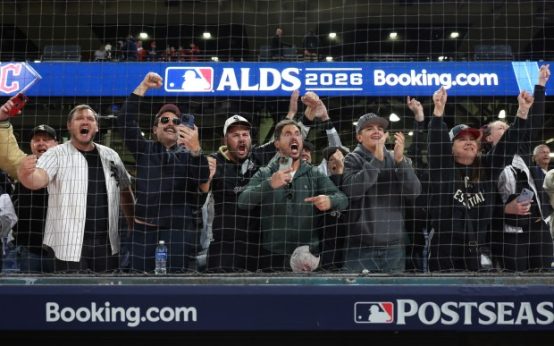 Chicago White Sox Secure Thrilling Victory in Game 2 of AL Division Series
 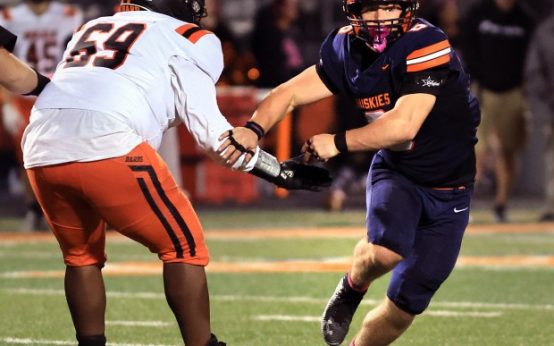 Jake Brooks Shines as Key Player for Naperville North
  Reinstatement Calls for Braiden Bell After Firing Over Old Tweets