China carried out a long-range ballistic missile test from a nuclear-powered submarine in the South Pacific on Monday, bringing protests from neighboring countries.
The missile, launched at 12:01 p.m. and reported by Xinhua News Agency, carried a dummy warhead. This move comes two years after China’s previous missile test in the Pacific. The launch was part of routine training, aligned with international laws, and not targeting any nation, according to Xinhua.
Such drills mirror those conducted by the United States and demonstrate China’s growing influence. However, Australia, New Zealand, and Japan criticized the action. New Zealand had been informed only hours before the launch, which occurred in the South Pacific Nuclear Free Zone, established by the 1986 Treaty of Rarotonga.
Foreign Minister Winston Peters expressed concerns following the test, highlighting China’s commitments ratified in 1987 not to test or threaten nuclear weapons in the region.
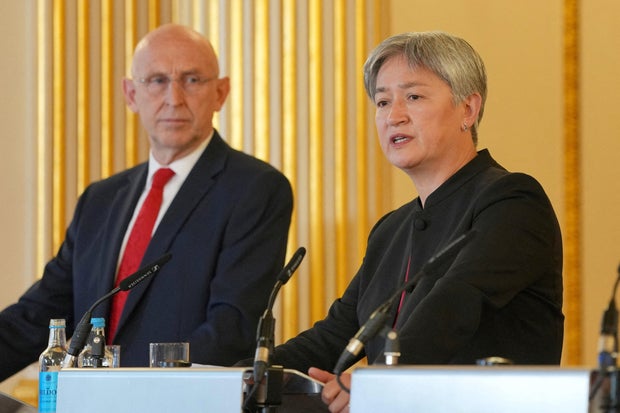
On the same day, Australia and Fiji signed a mutual defense treaty aiming to counterbalance Chinese influence. Australia’s Foreign Minister Penny Wong criticized the test as destabilizing. Meanwhile, Japan urged China to cancel the test, fearing threats to its security.
China’s current naval arsenal includes six ballistic-missile submarines and 59 nuclear-powered attack submarines, as detailed by the Nuclear Threat Initiative.
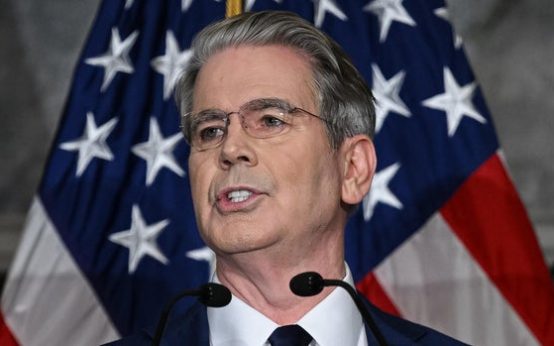 Treasury Secretary Scott Bessent Relocated Due to Iranian Threat
 Protesters Target Biden During Dublin Visit
 Man Arrested for Alleged Bomb Threat on United Airlines Flight
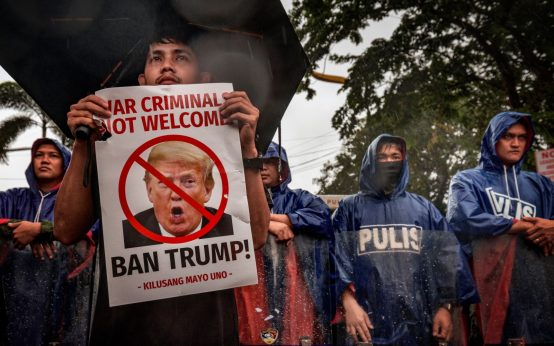 Protests Planned as Trump Visits Manila Amid AI Supply-Chain Talks
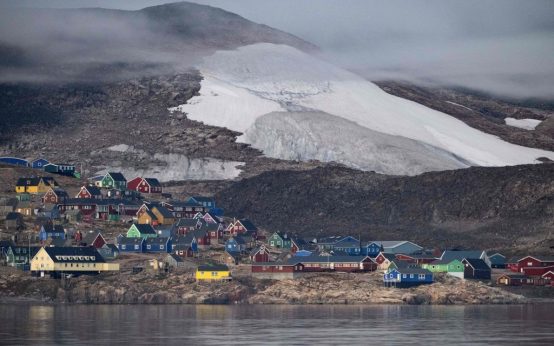 Greenland Military Expansion Poses Threat to Hunting Livelihoods
 US Treasury Secretary Relocates Due to Threats