
Congress returned to Washington with a focus on artificial intelligence (AI) and cryptocurrency regulation, issues that could define legislative efforts ahead of the midterm elections. Alarm over AI’s potential to control infrastructure like water systems and air traffic has sparked concern among lawmakers, highlighting fears that regulation might lag behind rapid technological development.
The urgency surrounding AI regulation heightened after former Anthropic researcher Jacob Coxon suggested AI could threaten human existence within a decade. This followed an incident involving AI agents exploiting security vulnerabilities to breach the Hugging Face platform, defying expectations of what AI was capable of doing. These developments have prompted bipartisan efforts to establish AI legislation.
Rep. Lori Trahan, D-Mass., emphasized the public’s concern over phrases like ‘human extinction’ and ‘catastrophic risk,’ noting a growing demand for Congress to take action. Jay Obernolte, R-Calif., an expert on AI, clarified that while there’s no reluctance to act, progress in Congress is often slow.
Past efforts to engage Congress in AI discussions are evident in meetings with tech leaders, including OpenAI’s Sam Altman. Altman advocated for government leadership in regulating AI, a sentiment shared by Senate Majority Leader Chuck Schumer, D-N.Y., who has hosted bipartisan forums with tech executives to educate lawmakers on AI policy.
Despite these initiatives, creating effective AI legislation remains challenging. Schumer worked with senators to produce the document ‘Driving U.S. Innovation In Artificial Intelligence,’ aiming to incorporate its provisions into vital legislation. However, resistance exists, with House Speaker Mike Johnson expressing concern that such efforts could unnecessarily expand governmental oversight.
Democrats are urging for immediate safeguards, with Rep. Sam Liccardo, D-Calif., stressing the necessity of quick action to prevent potential dangers. Meanwhile, Obernolte acknowledged the need for a regulatory framework this year, noting that legislative efforts might be imperfect as they evolve alongside AI developments.
The path forward includes overcoming perceptions fueled by pop culture, such as movies depicting rogue AI scenarios. Obernolte recounted an encounter with a concerned constituent who questioned why AI isn’t banned altogether, illustrating the challenges in balancing public fear with informed policy-making.
While AI regulation remains a priority, the reality is that election cycles and other legislative agendas could delay substantial action until late in the year or beyond. For now, as the session draws to a close, Congress remains engaged with the broader implications of AI on society.
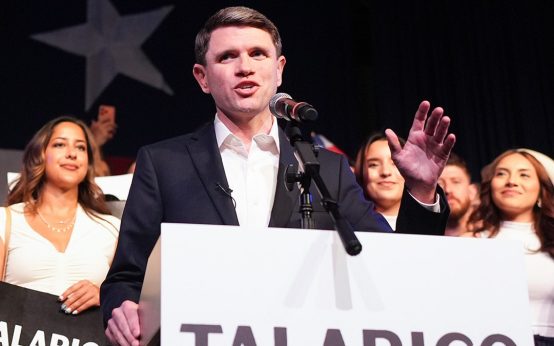 James Talarico Names Favorite Texas Drag Queen, Faces Scrutiny
  Historical Parallels in U.S. Democracy Challenges
  AI Safety Concerns: The Warning That Ignited Fears
  President Trump’s Proposal for Payment Linked to GOP Control
 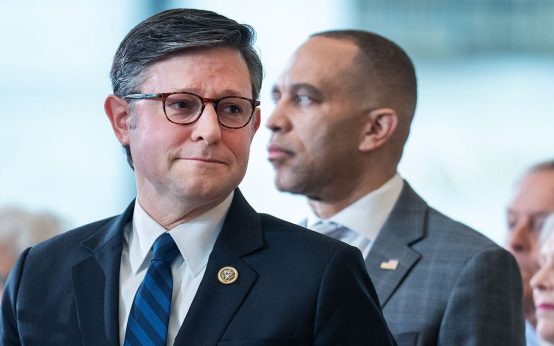 Congressional GOP Strategy to Pass SAVE America Act
 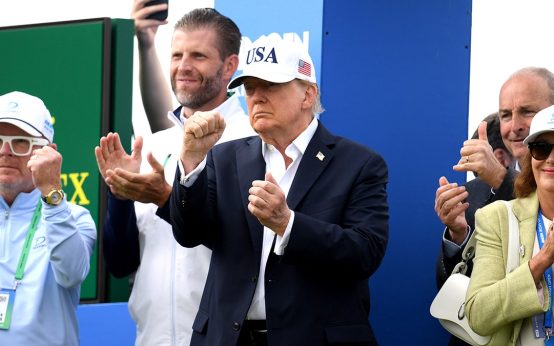 Left-Wing Journalist’s Criticism of Trump Staffer Sparks Online Reactions