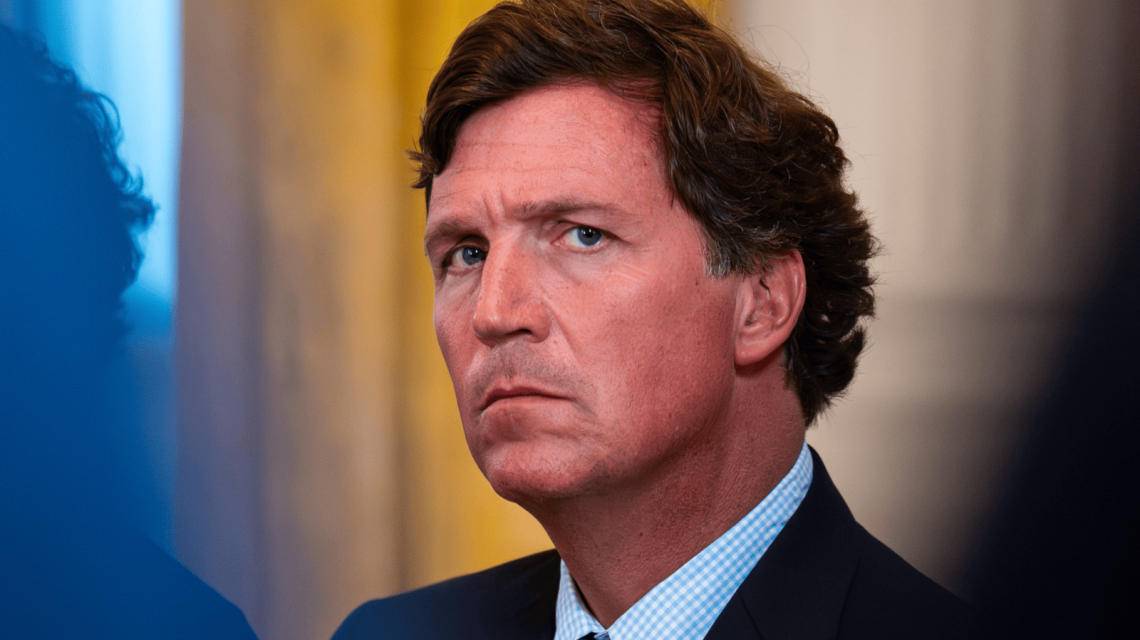
Tucker Carlson stirred backlash among conservatives after suggesting in a recent interview that Britain’s decision to fight Nazi Germany was misguided. His remarks came during a conversation with former British lawmaker Sir Jacob Rees-Mogg. Their discussion, featured on Carlson’s social media, covered security risks and Britain’s role in World War II.
Clarifying his stance, Carlson asserted, “I’m certainly not here defending Hitler.” Newsweek sought comments from Carlson and Rees-Mogg but received no immediate response.
Why this Matters
Carlson’s comments clash with a widely-held belief about military intervention and national interests. Prominent American conservatives criticized him, sparking debate over the cost and outcomes of war.
Context of the Debate
The exchange began with Rees-Mogg acknowledging the tragic loss of innocent lives in World War II. Carlson questioned the rationale for Britain’s engagement, citing the Treaty of Versailles and subsequent German expansion.
Critiquing Britain’s involvement, Carlson argued it eroded Britain’s empire without clear benefits. Rees-Mogg countered, saying defeating Nazism embodied a fight between good and evil, crucial for British sovereignty.
Conservative Response
Many conservatives responded strongly. U.S. Ambassador Mike Huckabee accused Carlson of suggesting Britain should have allowed a Nazi victory. Lance Forman, a former European Parliament member, also criticized Carlson, calling the interview irreparable.
Senator Ted Cruz affirmed the significance of WWII victories for the UK, the US, and the world’s freedom, opposing Carlson’s view.
Commentator Christopher Snowdon pointed out contradictions in Carlson’s reasoning. TV personality Meghan McCain mocked the conversation, suggesting it was nonsensical.
Remaining Points of Debate
Although Carlson did not defend Nazi ideology, he argued against Britain’s WWII involvement, putting him at odds with conservatives who view the war as essential to halting Nazi aggression.
The broader discussion queried whether national survival should only be evaluated by outcomes or by the future threats averted.
Additional Interview Highlights
Earlier, Rees-Mogg explained Britain’s stance on military readiness as preventative rather than provocative. Carlson cautioned about potential nuclear conflicts with Russia, suggesting they could spiral out of control.
They discussed historical events like Hiroshima and Nagasaki, with Rees-Mogg supporting the U.S.’s decisions. Topics like NATO, immigration, and free speech also featured, highlighting common ground on protecting free expression.
 Debate Heats Up Over Permanent Daylight Saving Time
 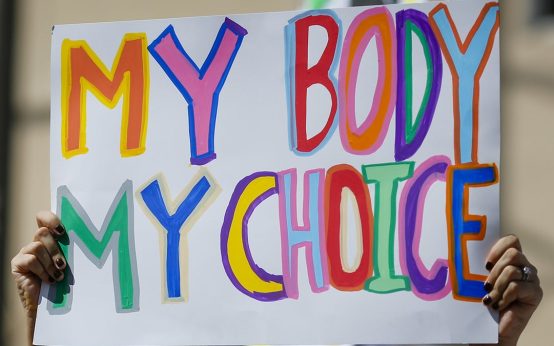 Sharon Stone Discusses Abortion and Women’s Health on Podcast
  Trump’s New White House Ballroom and Military Complex Construction
  Addressing Working-Class Concerns: A Perspective from Vice President JD Vance
  California’s Legislative Session Sets Potential Trends for Nationwide Adoption
  Trump’s Plan to Expand Capital Punishment Amid Botched Execution