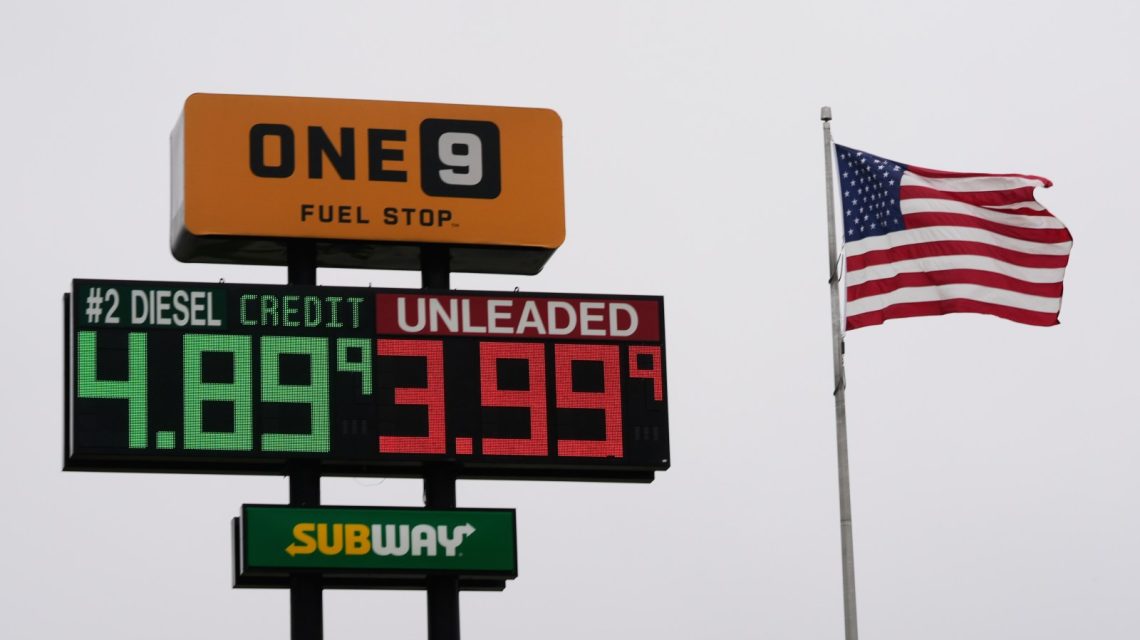
Optimism has risen in global energy markets due to a potential deal that could end the Iran conflict. However, analysts warn it could take months before oil flows return to normal and gas prices decrease to preconflict levels.
Truce Announcement
Washington and Tehran declared a truce on Sunday after over three months of intense fighting. This conflict severely affected Iranian infrastructure, damaged energy facilities in the region, and caused a blockade of the Strait of Hormuz. The International Energy Agency (IEA) called this the worst energy crisis in history.
Both nations see the agreement as a success. Pakistan, the mediator, announced a signing ceremony on June 19 in Switzerland. President Donald Trump, on Truth Social, mentioned that the deal would reopen the Strait of Hormuz and normalize energy flows. He encouraged maritime activity by stating, “Ships of the World, start your engines. Let the oil flow!”
Challenges in the Strait of Hormuz
Currently, vessels are not moving freely through the Strait of Hormuz, a major passage for global oil. Traffic monitors confirm limited activity. On Sunday, Trump indicated the passage would open without tolls “upon the signing of the Deal on Friday, for purposes of mine removal.”
Iran, via a statement from Deputy Foreign Minister Kazem Gharibabadi, declared that the U.S. naval blockade would end immediately following the agreement.
Skepticism and Concerns
Despite optimism, some question the deal’s longevity, noting ongoing disputes and violations of previous ceasefires. Political scientist Robert Pape referred to it as a “Memorandum of Disagreement.” He highlighted disputes over frozen Iranian assets and conflict in Lebanon as potential deal-breakers.
Energy economist Jorge León noted that crucial questions remain about the truce’s stability and whether Iran gained additional leverage over the Strait of Hormuz. He emphasizes the importance of the U.S. and Iran reaching a durable agreement.
Impact on Gas Prices
Oil markets reacted to the truce announcement with West Texas Intermediate crude dipping below $80 per barrel for the first time since March. Daniela Hathorn, senior market analyst at Capital.com, stated this drop reflects expectations of the Strait of Hormuz reopening and diminished supply disruption risks.
President Trump asserted that gas prices would decline significantly once the conflict ends, predicting they would “drop like a rock.” Yet analysts warn about continued geopolitical uncertainty and damaged infrastructure delaying significant respite for consumers.
According to Carole Nakhle of Crystol Energy, a quick recovery of oil flows is possible if shipping disruption, not infrastructure damage, was the primary issue. However, risk reassessment by traders and insurers could prolong recovery.
Harvard Business School economist Willy C. Shih anticipates delays in restoring regional infrastructure like Qatar’s LNG facilities, suggesting long-term recovery efforts.
Future Gas Price Trends
The U.S. Energy Information Administration (EIA) predicted a slow decline in fuel costs if peace is achieved. Their forecast, assuming the Strait of Hormuz opens in the third quarter of 2026, projects oil production disruptions continuing medium to long-term. Gas prices may remain elevated into 2027.
Jorge León highlighted that removing mines, restoring shipowners’ confidence, and clearing logistical backlogs could delay recovering energy costs. He expects oil flow normalization through the Strait of Hormuz by year’s end, depending on ceasefire stability.
León also indicated that U.S. gas prices should decline as crude prices drop, but returning to prewar levels will be gradual and depend on fading security risk perceptions. This recovery is unlikely within the next six months.
 Migrant Caravan Moves North Through Mexico Amid U.S. Crackdown
  Pope Leo XIV Praises EU for Its Unity Efforts
  Colombian Warlord Extradited to U.S. on Drug and Terrorism Charges
  Rise in Troop Wounded Numbers in Iran Conflict
  Pacific Hurricanes Nolo and Polo Pose Threats to Hawaii and Mexico
  Calm Amidst Crisis: Finnish President Stubb on Europe’s Security