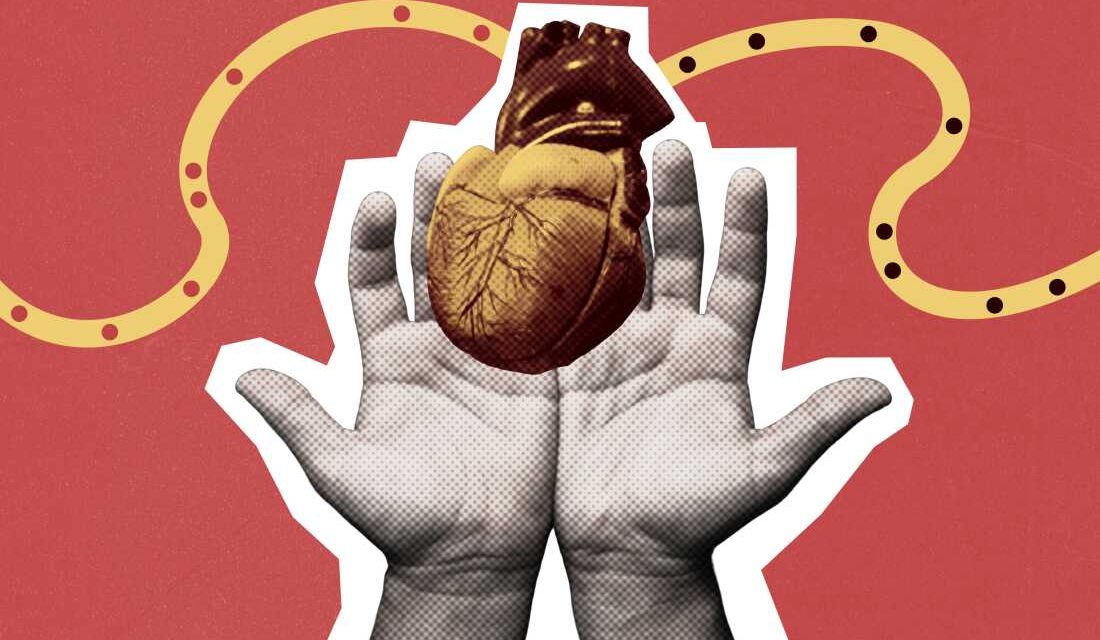
Should surgeons have the authority to perform euthanasia by removing organs from patients still alive? This concept, known as ‘Death by Organ Donation,’ proposes a method enabling euthanasia patients to donate organs with better viability. However, it would inevitably lead to the patient’s death.
Dr. Robert Truog, a physician and bioethicist at Harvard Medical School, argues in favor of this idea. He suggests that it represents an ethical action since patients willingly choose to help others at their death. In his view, it reflects altruism, as patients ask, ‘How could my death benefit others?’
The proposition stirs debate due to its contradiction with long-standing organ donation principles. The Dead Donor Rule mandates that organs can only be harvested postmortem. Surgeons are prohibited from causing death during organ retrieval. This rule has been a subject of intense debate regarding the precise definition of death and advancements in methods to extend patients’ lives while securing viable organs.
Certain countries, including Canada, the Netherlands, and Spain, have legalized euthanasia, offering doctors the ability to assist patients opting to die. Dr. Truog queries about organ donation for such patients, pointing out current standards prevent causing death during organ procurement.
Under current protocols, doctors can extract hearts, lungs, livers, and kidneys only after a patient receives a lethal drug dosage. Consequently, their organs, particularly hearts, lose transplant viability. Dr. Truog questions why patients choosing lethal injection cannot aid others and donate their organs.
Dr. Truog believes euthanasia could be linked with organ donation for choosing patients. Euthanasia involves doctors administering deadly drugs to cause patient death. Despite its illegal status in the U.S., several states have sanctioned assisted-suicide, allowing patients to take lethal drugs at home. Death by Organ Donation would differ by ending life through anesthesia and organ removal while organs remain functional. Thus, organs remain in optimal condition.
Other bioethicists see potential merit in this controversial idea. Ruth Faden, a bioethicist at Johns Hopkins University, acknowledges unsettling aspects at first glance but finds ethical justification upon detailed examination.
She argues that if respecting individual autonomy at life’s end is paramount, accepting their wish to maximize their body’s benefits provides ethical validation. Responsible measures must ensure informed consent and protect against exploitation.
Conversely, some bioethicists find the notion horrifying. Lainie Friedman Ross from the University of Rochester equates it with murder, believing consent has limits and individuals cannot authorize others to kill them.
Concerns persist over potential damage to trust in organ donation and end-of-life care amid existing controversies. Lori Andrews, a bioethicist and professor emerita at Chicago-Kent College of Law, highlights possible repercussions on physician-assisted suicide and organ donation systems, likening it to historical ‘body snatchers’ associations.
Critics worry allowing this practice for euthanasia patients could lead to acceptance in physician-assisted suicide or hospice settings. Nonetheless, proponents assert the method’s potential to honor patients wishing to donate organs.
Dr. Carter Winberg, a Canadian critical care physician pursuing bioethics studies at Harvard, supports discussions about ethical plausibility for willing euthanasia patients.
In conclusion, this complex topic warrants thoughtful and informed dialogue. The discussion remains active, focusing on possible ethical frameworks and safeguarding patient autonomy while exploring new avenues in organ donation practices.
 Managing Distress and Discomfort Effectively
  Trump Administration Seeks to Influence NIH Grantmaking
  Addressing the Complex Issue of Suicide and Its Prevention
  Quality of Sleep Linked to Risk Reduction in Various Diseases
  Exploring Diets and Their Potential to Reduce Alzheimer’s Risk
  Dengue Fever Death in Florida and the Rising Cases Across the U.S.