Understanding Distress and Effective Coping Strategies
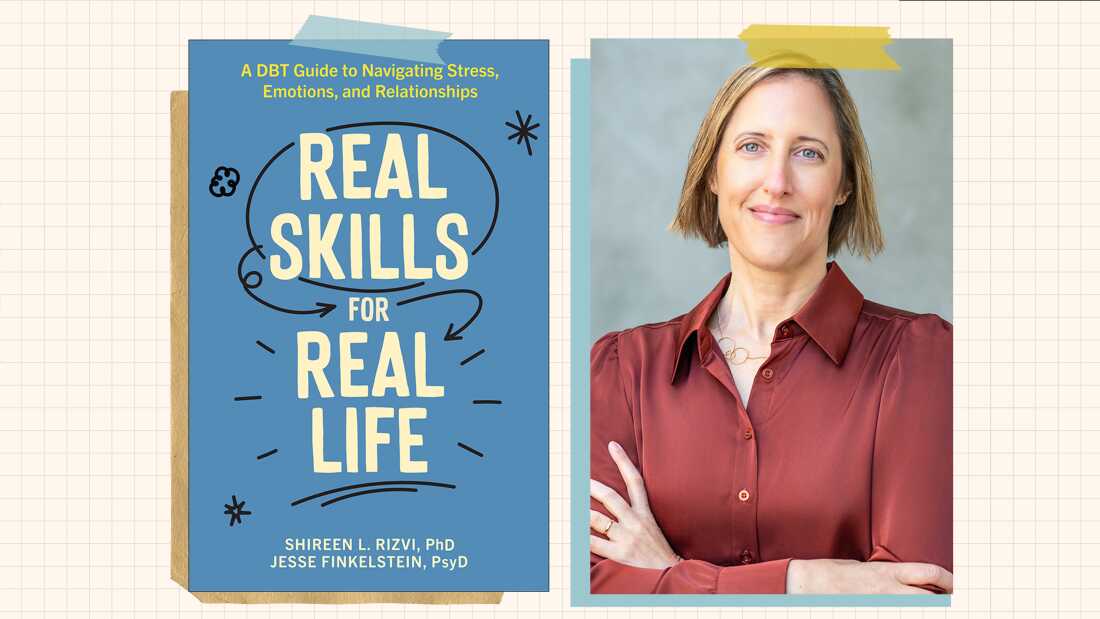
Shireen Rizvi, a professor of psychiatry and behavioral sciences, has co-authored a book with Jesse Finkelstein titled Real Skills for Real Life: A DBT Guide to Navigating Stress, Emotions, and Relationships. The book offers insights on how to cope with distress more effectively.
Common Reactions to Distress
When faced with distress, individuals often resort to unhealthy coping mechanisms such as lashing out, consuming alcohol, or ignoring the issue. These actions stem from not knowing how to tolerate the discomfort.
Dialectical Behavior Therapy (DBT) as a Solution
Rizvi emphasizes the importance of accepting distress and responding more effectively. Her book provides skills rooted in dialectical behavior therapy (DBT), originally developed by psychologist Marsha Linehan for treating borderline personality disorder in the 1980s. Today, DBT skills benefit many people facing different challenges.
Introducing the TIP Technique
In moments of intense distress, Rizvi recommends using the TIP technique, which stands for temperature, intense exercise, paced breathing, and paired muscle relaxation. These strategies help reduce emotional intensity, allowing clearer thinking.
T: Lowering Your Temperature
“Fill a large bowl with cold water and ice, plunge your face into it while holding your breath,” suggests Rizvi. This triggers the mammalian dive reflex, slowing heart and respiratory rates, beneficial in high distress scenarios.
I: Intense Exercise
Rizvi advises engaging in activities that increase heart rate quickly, such as running upstairs or doing jumping jacks. This approach paradoxically calms the body when heart rates decrease post-exercise.
P: Paced Breathing
Making exhales longer than inhales slows heart rates and reduces emotional intensity. Breathe in for four counts and out for six to achieve calmness.
P: Paired Muscle Relaxation
Tense each muscle group, and then release while breathing out and associating the action with a relaxation word. This method provides a heightened relaxation effect.
Distress Is Temporary
Rizvi clarifies that intense emotions are transient, countering the misconception that they persist if not immediately addressed. Feelings, no matter how intense, eventually pass.
Rizvi and Finkelstein continue to offer practical advice through their engaging book and DBT-based techniques.
 Family Files Lawsuit Following Tierra Walker’s Death Due to Preeclampsia
  Concussions Increase Alzheimer’s Risk in Older Adults
  Porsha Williams Opens Up About Her Health Journey
  Communicating with Children about Weight Loss Medications
  Successful Separation of Ethiopian Conjoined Twins
  AI Integration in Healthcare: Navigating Challenges and Opportunities