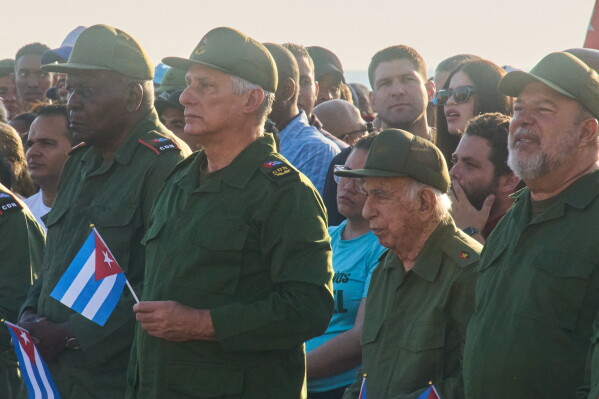
Cuba’s government has announced its openness to permitting Cuban investors, both residents and those abroad, to manage hotels within the country. This decision comes as Spanish hotel chain Melia and other international companies have chosen to withdraw or limit operations on the island.
Melia declared on May 26 that it will cease managing 15 of its 34 hotels in Cuba. The move follows new U.S. sanctions and an ongoing energy embargo which has contributed to Cuba’s worsening economic situation. The Cuban government attributes long-standing issues such as blackouts, water shortages, supply chain disruptions, and healthcare deficiencies to the U.S. blockade.
Other companies, including Royalton of Canada and Iberostar of Spain, have also scaled back their activities in Cuba, which has significantly impacted the nation’s tourism industry, a critical part of its economy. This follows a peak in tourism in 2018.
In a recent interview broadcast on Cuba’s official presidential channel, President Miguel Díaz-Canel spoke to a Spanish journalist. He mentioned the need to manage more hotels domestically rather than relying solely on foreign partnerships. “We are proposing different business models and are open to Cubans who want to invest and manage hotels,” he stated. Opportunities are also being offered to Cubans living abroad.
Melia’s reduction coincides with U.S. executive actions led by President Donald Trump, which expanded sanctions. These sanctions have primarily targeted the conglomerate Grupo de Administración Empresarial S.A., linked to Cuba’s Revolutionary Armed Forces, alleging national security threats. These measures have immobilized assets and accounts, restricting interactions within the U.S. financial system.
GAESA, the conglomerate formed in the 1990s, engages in various sectors, including car rentals, retail, and transportation. Through its Gaviota subsidiary, it partners with Melia in managing hotels. At its peak, Melia managed about 14,000 rooms, underscoring its significance in Cuban tourism.
Tourist arrivals dramatically declined in early 2021, with only 298,000 visitors during the first quarter compared to 573,300 in the same timeframe the previous year, according to government statistics.
Díaz-Canel criticized the actions of President Trump and U.S. Secretary of State Marco Rubio as “cynical.” He claimed the embargo’s intensification is a tactic to provoke instability in Cuba, potentially giving the U.S. grounds for humanitarian intervention or laying the groundwork for a coercive dialogue.
While U.S. and Cuban authorities have engaged in talks, tensions have escalated. Notably, the recent indictment of former President Raúl Castro by the U.S. related to a 1996 incident where two civilian planes operated by Miami-based exiles were downed in Cuban waters has added to the strain.
 Federal Appeals Court Decision Against Trump’s ‘Third-Country’ Deportation Policy
  Ed Sheeran’s Philadelphia Concert Amid Controversy
 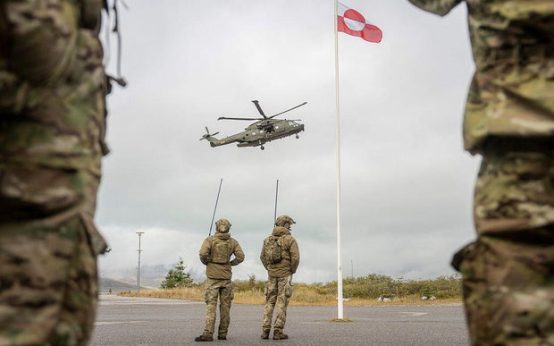 U.S. Secures Strategic Control Over Greenland
  U.S. Security Agreement in Greenland Sparks Optimism and Concerns
 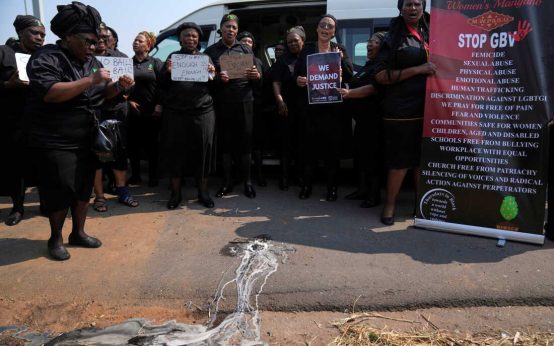 Impact of Gender-Based Violence in South Africa
 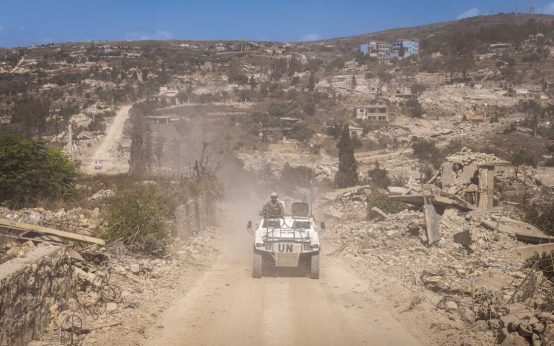 UNIFIL Operations in Southern Lebanon Amidst Ceasefire Challenges