
Cuba is grappling with its third nationwide blackout recently as the island faces a severe fuel crisis compounded by longstanding U.S. pressures. Residents expressed frustration over food spoilage as refrigerators failed, forcing many to rely on their phone lights to navigate daily tasks.
This blackout marks the fifth since early 2026, following the capture of then-Venezuelan President Nicolás Maduro by the U.S., which led to a halt in oil shipments from Venezuela to Cuba, a vital energy supply for the island. Cuba’s energy infrastructure, largely dependent on such imports, is struggling to cope.
The United States, intensifying its stance, threatened tariffs on countries sending oil to Cuba. Cuban officials have condemned these actions as a blockade. Relations between the U.S. and Cuba have been tense for decades, with the current fuel shortages intensifying the situation. As U.S. officials forecast the collapse of Cuba’s communist government, the tourism industry, crucial to Cuba’s economy, faces significant downturns.
An emergency oil shipment from Russia in late March was quickly consumed. During a recent visit, four Democratic U.S. Congress members described Cuba as a “silent Gaza” due to the energy embargo’s impact.
Cuba’s energy ministry reported on Tuesday efforts to restore power after the National Electric System (SEN) experienced a “total disconnection.” The state-run Unión Eléctrica said the grid went offline at 11 a.m. Tuesday, though some areas had electricity restored by afternoon.
Previous blackouts on July 6 and 10 plunged most of the island’s 10 million people into darkness. Energy Minister Vicente de la O Levy attributed the grid’s “weakness” to fuel shortages, lack of spare parts, and aging power plants, further aggravated by U.S. actions.
The Trump administration has made its opposition to Cuba’s government evident. In June, Cuba enacted major economic reforms, signaling the largest policy shift since the 1959 revolution. These reforms aim to alleviate the U.S.-imposed economic constraints.
President Trump stated in March that Cuba’s government was nearing an end. U.N. Ambassador Mike Waltz recently characterized Cuban officials as a “national security threat” to the U.S. The proximity of Cuba to the U.S. coast and the presence of foreign intelligence facilities add to the geopolitical tensions.
Trump hinted at possible military action against Cuba following U.S. operations in the Middle East. CIA head John Ratcliffe’s visit to Cuba in May for high-level talks and the U.S.’s formal charges against former Cuban President Raul Castro for the 1996 plane incident suggest potential pretexts for U.S. intervention.
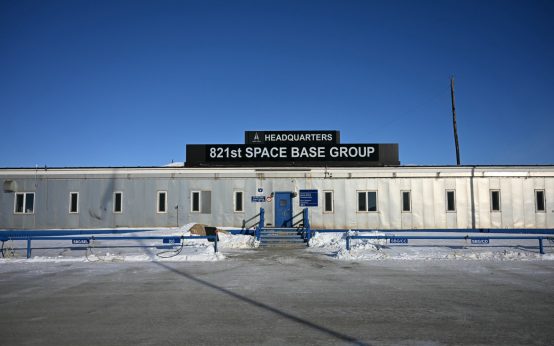 New U.S. Military Bases Planned in Greenland Amid Strategic Security Deal
  Challenges Facing the Supreme Court’s Public Perception
  California Democratic Aide Arrested for Visa Overstay by Federal Authorities
 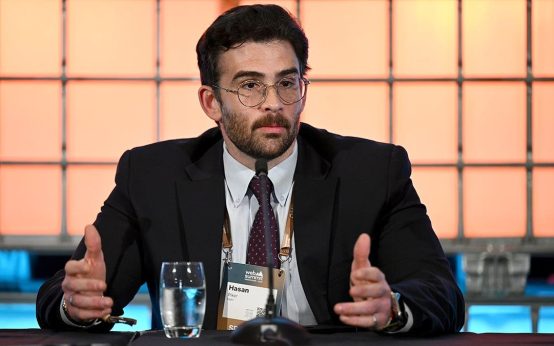 Twitch Streamer Hasan Piker Discusses Controversial Commentary
  Experts Doubt Export Ban Will Lower Fuel Prices
  A Shifting Political Landscape: The Decline of Autocratic Power