
The United States saw a reduction of approximately 3 million enrollees in Affordable Care Act (ACA) health insurance plans in February compared to the previous year, according to recent federal data. A 13% drop was noted, from 22.1 million enrollees in 2025 to 19.2 million this year.
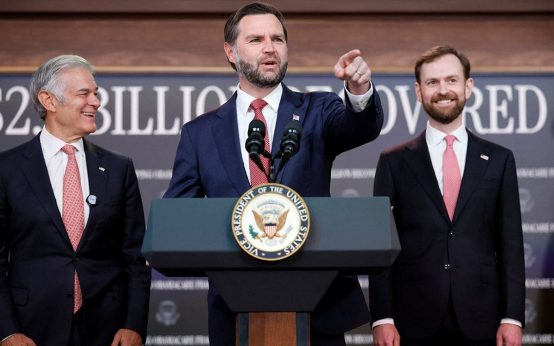
The U.S. Department of Health and Human Services attributed the decrease to a federal crackdown on fraudulent or “phantom” enrollments. However, health analysts pointed to the impact of the expired federal subsidies on January 1. These subsidies had previously assisted many individuals in affording their health insurance premium costs.
“We know that real people lost their health insurance coverage,” said Cynthia Cox, vice president and director of the ACA program at the healthcare research nonprofit KFF, referring to survey findings on those who left their plans. “This coverage loss coincided with premium payments doubling or even tripling for many.”
The newly released data, compiled in April, reflects the status in February and provides the first official perspective on how non-payments influenced enrollment. It follows the expiration of a grace period for premium payments.
Earlier estimates in January indicated about 800,000 fewer sign-ups compared to the same period last year. This decline marked the first downturn in four years during the enrollment window. Cox noted that KFF anticipates the number in the ACA program to keep falling, potentially reaching around 17.5 million by year-end.
This forecasted drop could significantly impact the government’s flagship subsidized health insurance program, which serves many working-age individuals who don’t qualify for Medicaid. Traditionally, ACA plans have been popular among gig workers, farmers, ranchers, and others lacking employer-based health insurance.
The expiration of ACA subsidies was central to political debates in Congress last fall, involving both Democrats and some Republicans who advocated for their renewal. As healthcare costs escalate across various insurance programs, affordability remains a major concern for voters in the upcoming November elections.
 Potential Changes in Medicare Reimbursement for Lab Tests
  Understanding and Addressing the Complexity of Suicide
  Recall of Meat Products from Star Meat Delivery Inc.
  Questions Arise After Presley Gerber’s Death in Rehab
  Upcoming Concerns and Influence in Health Politics
  Fraud Task Force Saves Billions by Tackling Obamacare Misuse