
In Columbus Junction, Iowa, Christina Bohannan, a university professor from Iowa City, is making her third attempt to win a seat in Congress. She has been actively connecting with voters in a district where Donald Trump secured a dominant victory two years ago. Bohannan highlighted the challenges of reaching a large constituency and building trust with voters. Seeing this as an opportunity, she aims to leverage diminishing support for Trump, healthcare issues, and economic concerns to succeed. Bohannan’s Republican opponent, Mariannette Miller-Meeks, describes her as a radical progressive. This election could be pivotal for Democrats aiming to reclaim the U.S. House.
Bohannan is reaching out to rural counties to counter the Republican advantage, visiting places where she previously lost considerable votes. Notably, her recent visit to Louisa County, where her previous campaign efforts were minimal, reflects this strategy. In 2024, she lost by fewer than 800 votes, and she aims to swing these votes her way through increased engagement. Her current campaign strategy includes early ground efforts and personal connections, a shift from her past approaches.
Her background as a law professor poses its own challenges as some view her through a political lens. Bohannan counters these views by emphasizing her personal experiences with economic adversity and healthcare struggles, which resonate with residents of Iowa’s 1st District. Despite her academic position, she stresses her practical approach to economic and regulatory issues.
While Iowa’s 1st District is predominantly rural, it includes significant urban and suburban areas, making it highly competitive. Bohannan consistently performs well in Johnson County and has shown improvements in Scott County. These gains highlight a possible shift in voter sentiment, particularly in urban areas, which could prove decisive in the election.
Bohannan’s campaign suggests that waning support for Trump could influence Miller-Meeks’ prospects. Miller-Meeks’ voting record aligns closely with Trump’s policies, which some constituents view unfavorably amid rising costs and healthcare funding pressures in the district. Notable examples include the anticipated cutbacks on federal Medicaid spending and the economic impact of tariffs on local agriculture.
Bohannan is counting on voters to weigh these issues heavily as they decide at the polls. Her strategic focus on blending rural outreach with maintaining urban gains reflects her determination to secure victory this time around.
 U.S. Strategy Focuses on Economic Pressure Over Military Action in Iran
  Historic Opportunity for a Female UN Leader Faces Challenges
  Supreme Court Decision on Trump Administration’s Mail-In Ballot Order
 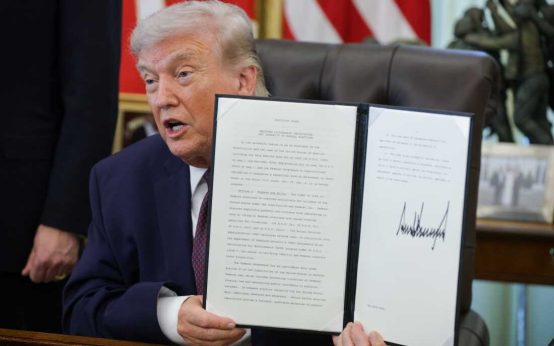 Supreme Court Pauses Ruling on Trump’s Mail-In Voting Directives
 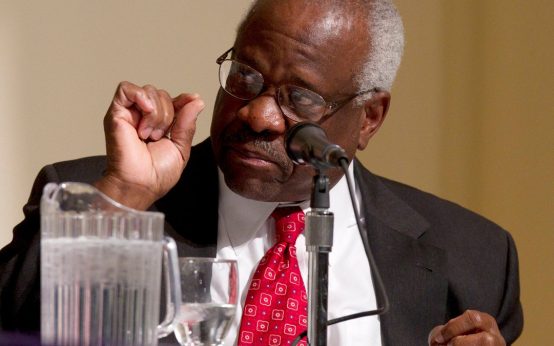 Clarence Thomas Rejects Racial Expectations on Political Views
 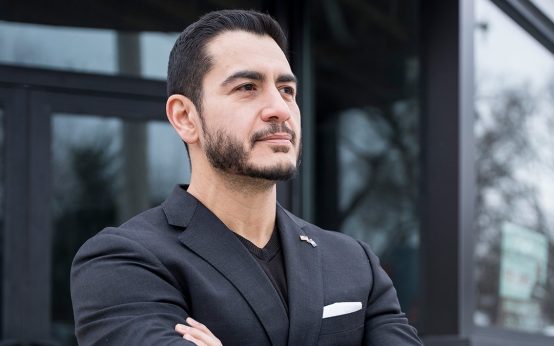 Michigan Senate Candidate Abdul El-Sayed Faces Backlash Over Remarks