
A shift toward a Democratic majority in Congress might change the tone of American trade policy. However, significant tariffs and trade restrictions are expected to remain. These economic measures continue to impact households across the United States and affect international relations.
Approximately two-thirds of Americans hold former President Trump’s trade policies, along with the conflict involving Iran, accountable for inflation, particularly visible at gas stations and grocery stores. Changes in Congressional leadership seem unlikely to lead to a fundamental reversal of these policies, which have been challenging for U.S. families and diplomatic relations with allies.
It remains crucial for the government to address these economic and diplomatic challenges effectively. The American public will be watching closely to see how new leadership approaches these pressing issues. Ongoing trade policies, despite shifts in the balance of power within Congress, will require strategic navigation to minimize domestic hardships and maintain global partnerships.
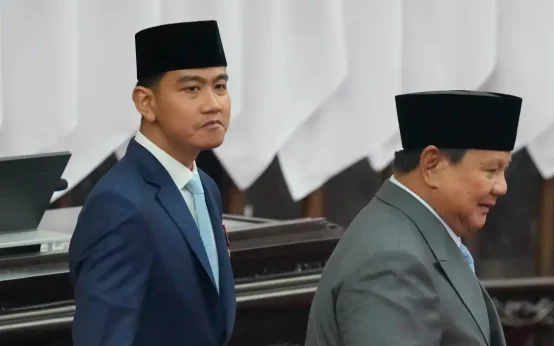 Indonesian Political Turmoil: Vice President Offers Resignation
 Pentagon Briefing and West Point Speech Policy Debate
 Election Signals Strong Message to Washington
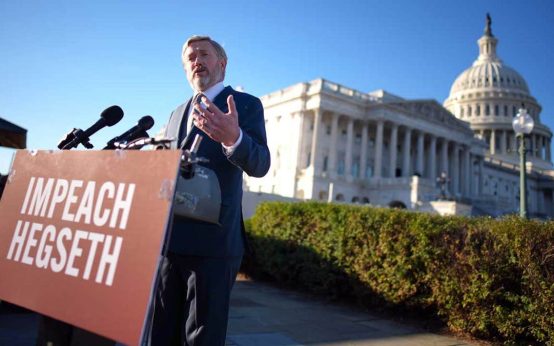 Trump Backs Pete Hegseth Amid Impeachment Efforts
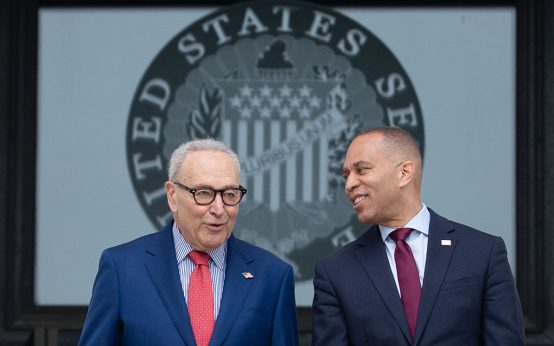 Trump Considers Immigration Deal as Democrats Seek Assurance
 The Influence of Film Subsidies on Speech and Markets