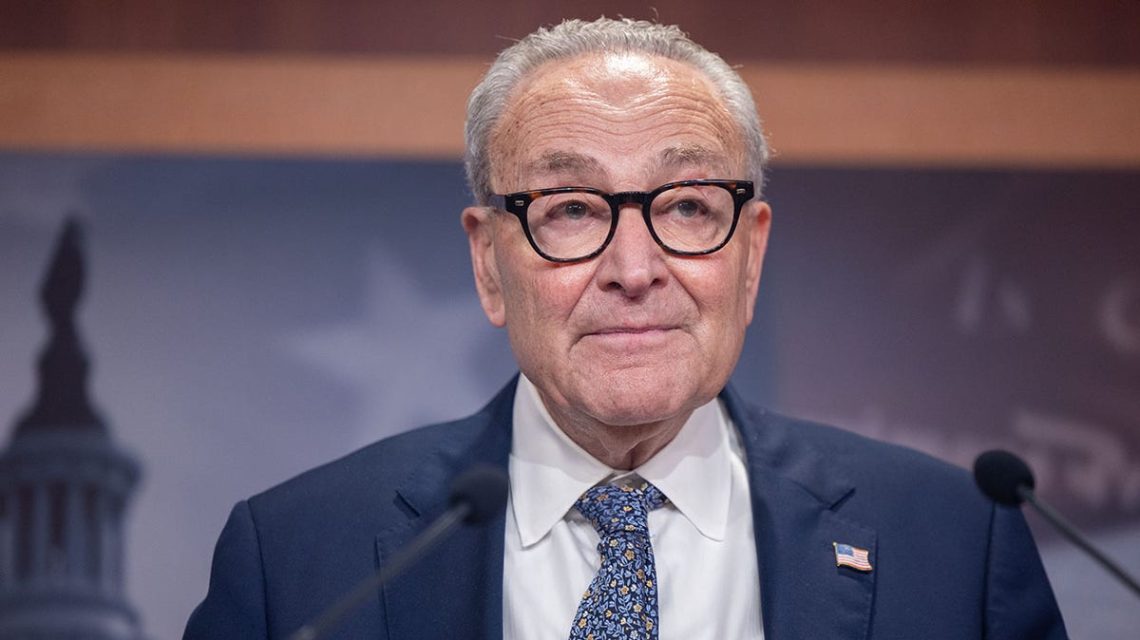
House Minority Leader Hakeem Jeffries spoke to reporters following the Democratic successes in the 2026 midterm elections. Highlighting plans to improve key programs for American families, Jeffries emphasized the party’s commitment to reducing costs and securing essential initiatives.
With the election victory, Democrats plan a significant expansion of government spending, supported by tax adjustments. This agenda may garner support from the White House, despite the new lawmakers taking office next year. Plans include increasing healthcare spending, direct payments to citizens, restoring housing aid, and reversing cuts to bureaucratic functions.
Republicans, traditionally opposed to such spending, might support measures to ease the financial burden on families. President Donald Trump indicated willingness to negotiate with Democrats post-election, expressing a cautious approach to extending Affordable Care Act (ACA) subsidies. Trump’s openness to increased verification signals a potential area for bipartisan cooperation.
Meanwhile, Republicans face challenges due to their election setbacks. Senate Minority Leader Chuck Schumer has made clear that without a deal on ACA tax credit extensions, governmental operations will remain suspended.
President Trump, maintaining a focus on his “America First” policies, expressed readiness to collaborate on economic and security improvements, provided Democratic proposals remain moderate. However, veto power over Democratic ambitions still requires negotiation with either congressional Republicans or the executive branch.
Commentary from health policy experts, including Michael Cannon of the Cato Institute, suggests that Republican losses were not due to healthcare spending cuts. Instead, he argued the focus should remain on fiscal caution.
The proposed Democratic spending increases would occur amidst soaring deficits and fiscal pressures on Social Security, with nearly $2 trillion in annual deficits predicted. The Congressional Budget Office estimates Medicaid cuts could lower federal spending by $1.2 trillion but reduce program enrollment. The debate over ACA tax credits persists, with potential expansions costing $350 billion over a decade.
Beyond healthcare, Democratic leaders such as Illinois Governor JB Pritzker have proposed extensive infrastructure and public funding initiatives. Concerns about demanding goods subsidies without supply adjustments have surfaced, with predictions of potential cost escalations.
While some favor tax hikes on the wealthy to curb borrowing needs, the economic impact of such a tax remains contentious. Discussions in the Democratic caucus also consider expanding programs like Medicare and supporting broader social spending measures.
Senatorial tax proposals from Democrats aim to generate revenue without exacerbating fiscal issues. Analysts forecast potential budget improvements, though opinions diverge on the effects of escalating taxes on economic activity.
Finally, the Democratic win has spotlighted specific state-level policies, as exemplified by Texas’s Governor-elect Gina Hinojosa, who intends to utilize the state’s rainy-day fund for citizen payments, despite criticism from Republicans.
 Gray Wolves Stir Controversy Over Wildlife Management
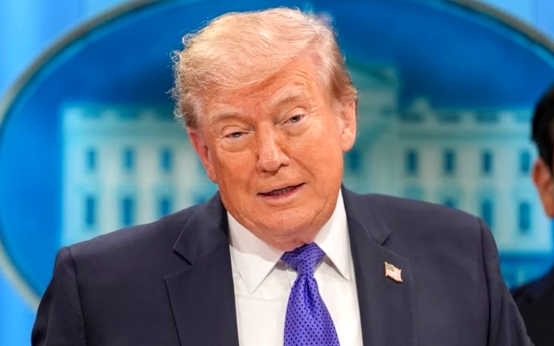 Trump’s Push for Bipartisanship with Democrats
 Highlights from Recent News Stories
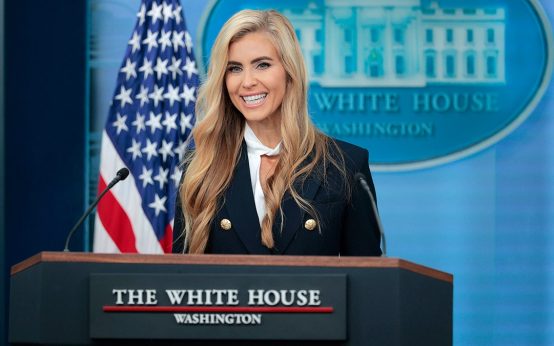 Former Press Secretary Criticizes GOP’s Election Strategies
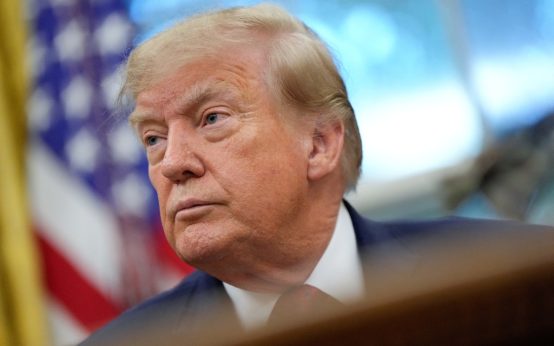 Trump and Cornyn Clash Over Judicial Nomination
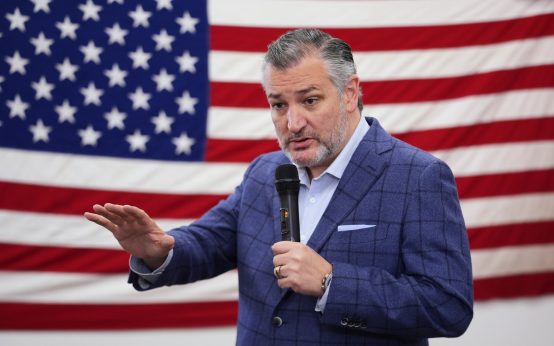 Ted Cruz and James Talarico Discuss Texas Space Academy Proposal