Democrats are optimistic about flipping the Senate in the upcoming midterm elections based on a series of favorable polls. However, historical trends warn that polls have previously underestimated Republican performance in crucial states.
Control of the Senate may hinge on a few closely contested races. Alaska, Iowa, Maine, Michigan, Ohio, and Texas are emerging as key battlegrounds with slim margins in the polls. Despite recent polls indicating tight races, Republicans have historically outperformed polling averages in these states during past elections, posing a potential risk to Democratic hopes of gaining control.
Polling Challenges and Turnout Factors
Polling errors vary across election cycles. Grant Davis Reeher, professor of political science at Syracuse University, notes uncertainty in predicting polling errors this year. He highlights turnout as a significant unknown factor, explaining that polls rely on assumptions about voter turnout, which poses a challenge in midterm elections.
This year, Democrats seem to have a motivational advantage according to Reeher. He raises questions about whether these models account for a sudden surge in Republican voter enthusiasm.
Even though previous cycles underestimated Republican support, pollsters have adjusted their methodologies. It remains unclear if past polling errors will recur in the 2026 elections.
Democrats’ Optimism for Upcoming Midterms
Senate Minority Leader Chuck Schumer expressed high hopes for the 2026 elections, emphasizing the diverse paths to victory Democrats have. Historically, an unpopular president during midterms results in losses for their party, a trend currently affecting President Donald Trump.
In recent polls, Trump’s approval rating has hit new lows, which Democrats aim to leverage to contest seats in traditionally Republican-held states like Alaska, Iowa, Ohio, and Texas. This strategy is crucial to challenging the Republican’s 53-47 Senate majority.
Democratic energy is underscored by recent special election wins where they secured Republican-held seats. These victories, alongside favorable polls and midterm dynamics, boost Democratic confidence in a competitive Senate race.
Past Polling Misses and Current Key State Dynamics
Despite Democratic optimism, concerns remain about polling accuracy in key states. CNN analyst Harry Enten points out that Republicans surpassed polls by significant margins in recent cycles in states like Iowa, Ohio, and Michigan. Such patterns highlight potential disparities between poll predictions and election outcomes.
Enten also references similar polling errors from 2018 when Republicans exceeded expectations. This scenario could mean closer state contests than anticipated, possibly giving Republicans a chance to maintain Senate control.
Alaska
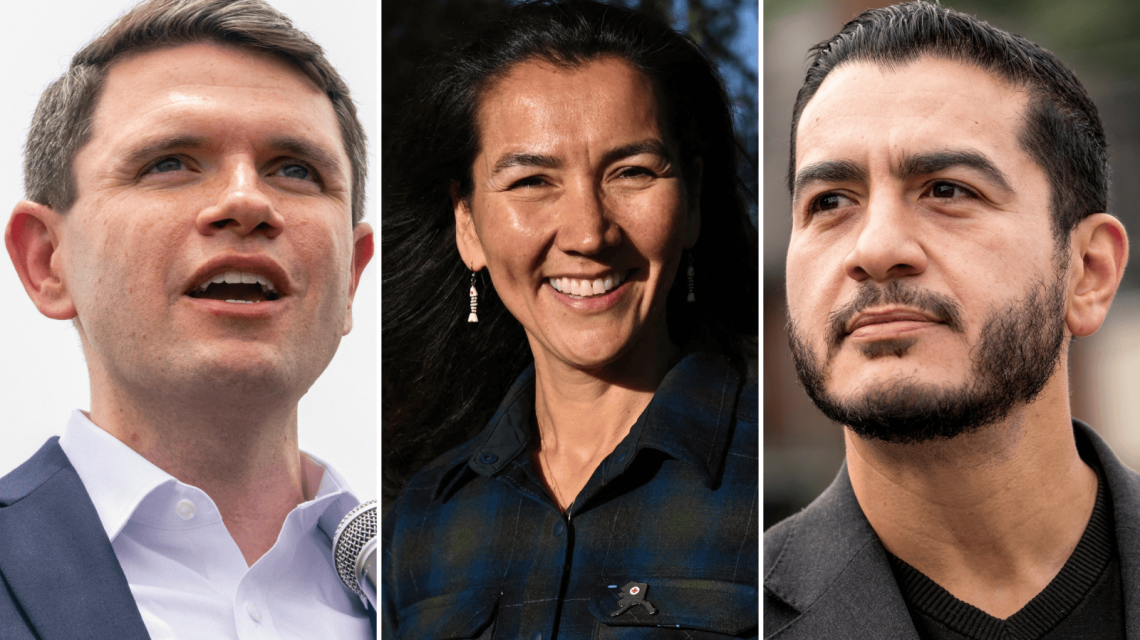
In Alaska, Republican Senator Dan Sullivan faces Democrat Mary Peltola. Polls show a close race with Peltola leading by narrow margins. However, past polling inaccuracies in Alaska, such as unexpected Republican wins, remind both parties of the uncertainties ahead.
The Peltola campaign has not commented on recent projections, while Nate Adams, representing Sullivan, emphasized polling challenges in Alaska.
Iowa
Iowa features a tight race between Josh Turek and Ashley Hinson. With Turek holding a slight lead in some polls, any polling error could benefit Hinson. Trump’s underestimated support in Iowa during past elections further adds to the caution around current polling figures.
Maine
In Maine, Republican Susan Collins faces Democratic challenger Troy Jackson. Despite Maine’s Democratic leaning, Collins’ past victories, attributed to her bipartisan appeal, keep the race unpredictable. Previous polling inaccuracies in Maine emphasize potential missteps in forecasting outcomes.
Michigan
As Democratic Senator Gary Peters retires, Michigan becomes a battleground between Abdul El-Sayed and Republican Mike Rogers. Past polling oversights during Trump’s strong Michigan showings suggest questions about current predictions.
Ohio
Ohio presents a close contest between Democrat Sherrod Brown and Republican Jon Husted. Despite Brown holding a marginal lead, previous Republican outperformance in polls advises caution in assuming any outcomes.
Texas
In Texas, Democratic James Talarico edges out slightly over Republican Ken Paxton in polls. Texas’s historical strong Republican lean complicates confidence in projections.
Conclusion
The midterm elections will see ongoing scrutiny of polls as both parties strive to galvanize their bases in these critical swing states. Factors like Trump’s prevalence, economic conditions, and international affairs, such as the Iran conflict, could influence voter behavior as the elections near.
 Oregon School District Sued Over Denied Curriculum Reimbursement
  Republicans Face Reelection Challenges Amidst Rising Living Costs
  Congress Avoids Autumn Shutdown But Faces Post-Election Spending Battles
  Cornel West and Sean Hannity: Discussing Differences with Respect
  The Final Showdown for Congress Control
  President Trump Discusses Key Issues Ahead of Midterm Elections