
In recent weeks, American forces have been actively coordinating the passage of commercial vessels through the Strait of Hormuz. This assistance comes amid ongoing tensions and stalled negotiations to end the conflict with Iran, present since the U.S.-Israeli attacks in February.
According to U.S. officials, Central Command has successfully guided about 70 commercial ships through this critical waterway over the last three weeks. However, specific details about the types of vessels or precise routes remain undisclosed. One official, although anonymous due to the sensitivity of the situation, highlighted that not all routes used stray near the Iranian coast.
The high-risk situation prompts many of these ships to switch off their transponders, avoiding detection and potential threats from Iranian drones or missiles. This practice, known as ‘dark’ passages, makes independent verification by shipping analysts challenging. Despite this, the analysts observe that these guided routes seem closer to Oman.
Before the recent U.S.-Israeli military actions, more than 100 commercial ships per day navigated the Strait of Hormuz. The current U.S.-guided passage rate of around three ships daily does not signal a major return to these former shipping levels. However, it suggests some shipowners are still willing to operate in the Persian Gulf despite risks, as many vessels remain stuck, losing revenue and leaving crews in difficult conditions.
The U.S.-coordinated routes provide an alternative for those wishing to avoid seeking Iranian authorization or paying associated tolls. Meanwhile, the conflict has significantly curtailed energy supplies reaching global markets, amplifying economic pressures.
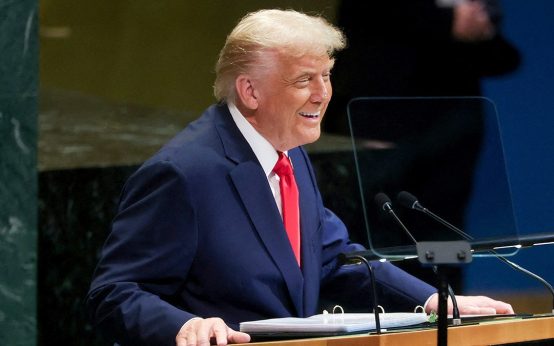 Trump’s Vision on Iran, AI, and Global Security at the UN
 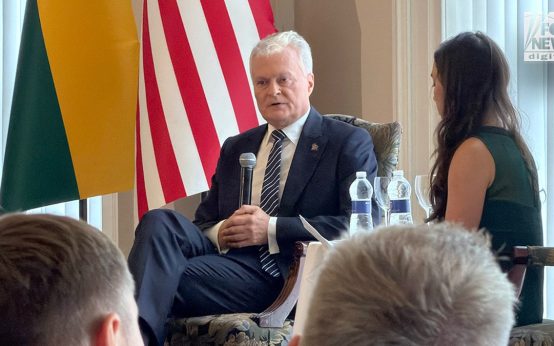 Lithuanian Leader Seeks U.S. Military Commitment Amid Rising Russian Threats
 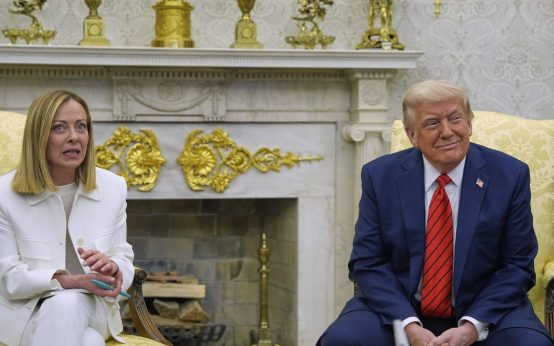 Italian PM Giorgia Meloni Skips UN General Assembly Amid Growing Tensions
  Calls Grow for Ireland’s Soccer Team to Boycott Matches Against Israel
 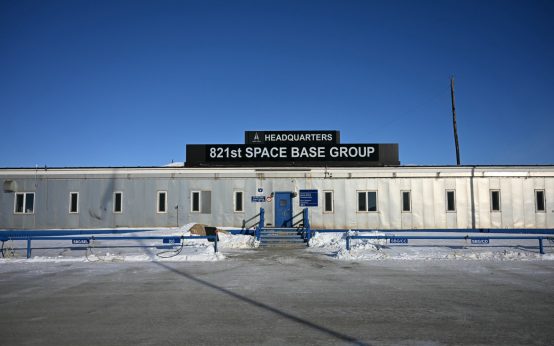 New U.S. Military Bases Planned in Greenland Amid Strategic Security Deal
  Twitch Streamer Hasan Piker Discusses Controversial Commentary