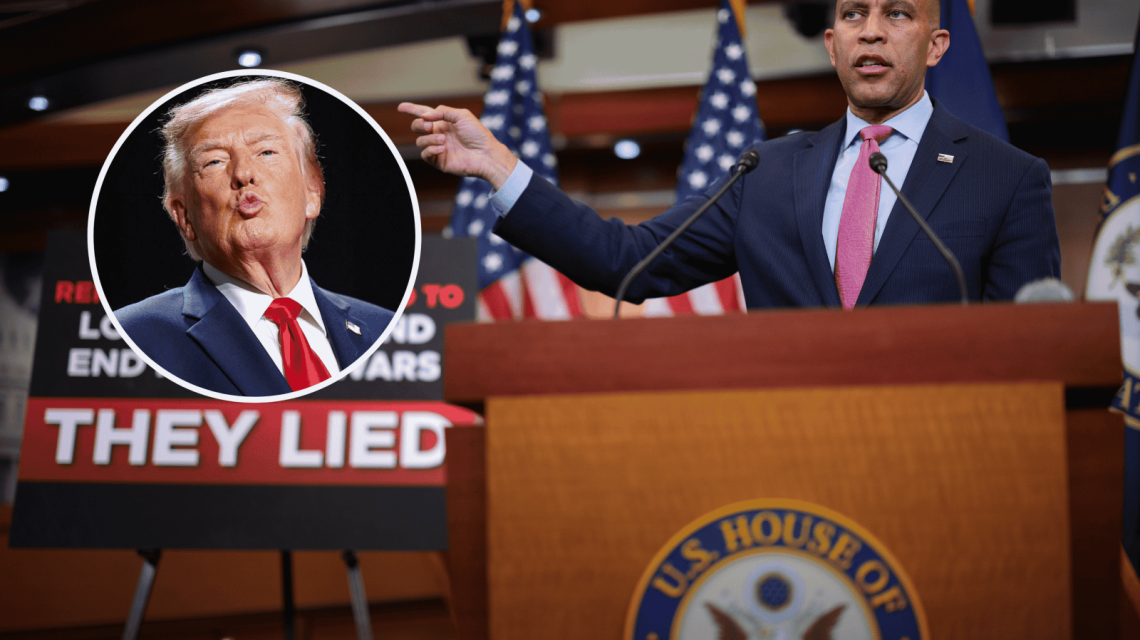
As midterm elections approach, Democrats feel optimistic about reclaiming Congress. Some Republicans seem resigned to losing control. If Democrats succeed, a significant decision looms: whether to impeach President Donald Trump for a third time. This decision involves more than simple numbers.
Internal debates divide Democrats. Some argue Trump’s actions warrant constitutional accountability. Others worry impeachment could overshadow economic issues, bolster Trump politically, and end in acquittal. House Minority Leader Hakeem Jeffries remains non-committal. “We haven’t ruled anything in or out,” he told PBS. “We will investigate wrongdoing and let the chips fall where they may.”
The debate centers on whether impeachment would bring accountability or distract a new majority with little chance of removing Trump. A Democratic House could impeach with a simple majority, but conviction needs two-thirds of senators. This requires substantial Republican support. Former Democratic Representative Joe Cunningham emphasized the need for Democrats to prioritize economic issues. “Impeachment would overshadow everything else,” he stated. However, he acknowledges serious misconduct demands investigation.
Some Democrats warn against pursuing impeachment. Former Obama chief of staff Rahm Emanuel advised against it, describing it as a “food fight” with no resolution. DaRkworth and Krishnamoorthi suggest focusing on economic dissatisfaction instead of shifting attention back to Trump immediately.
Could Democrats Impeach Trump if They Win the House?
History shows mixed voter reactions to past impeachments. Both of Trump’s impeachments ended in acquittals. Past impeachments reveal challenges in achieving conviction. Nixon resigned before a full vote on his impeachment. Clinton’s case illustrates backlash risks. In 1998, 63% disapproved of his impeachment while approval increased.
Pundits argue that ignoring impeachment due to expected Republican opposition diminishes a constitutional safeguard. According to University of Houston’s David Froomkin, partisan loyalty undermines constitutional bonds. Alexandria Ocasio-Cortez supports impeachment citing legal grounds. Jamie Raskin sees multiple impeachable offenses by Trump but advocates for reasoned processes.
Public opinion on past impeachments shows varied responses. For instance, in January 2020, 51% supported Trump’s removal, while 46% opposed. By March 2021, 52% felt his conduct warranted conviction.
A potential third impeachment may cement Trump’s legacy as the most impeached president. Yet, it could risk framing impeachment politically rather than constitutionally. Ensuring documented misconduct seriousness may bridge the divide for broader support.
Trump uses the impeachment prospect to energize Republicans, insisting another effort targets him. Republican leaders like Steve Scalise and Mike Johnson caution against letting Democrats impeach again. However, Democrats must first win the House. If they do, Jeffries’ promise to follow the facts will shape their decision on whether to pursue impeachment.
 DSA-Aligned Candidates: A New Trend in State Legislative Races
  Senator Fetterman’s Complex Political Alignment
  Controversy Over Pentagon’s Plan to Livestream Execution of Fort Hood Shooter
  Ohio Battleground: Vance Attacks Democrats Amid Heated Midterm Races
 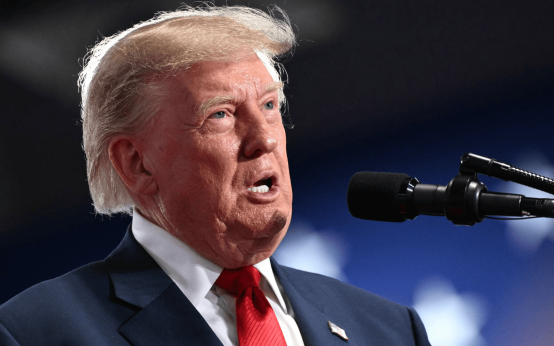 Trump Criticizes Surrogacy Bill at Syracuse Rally
 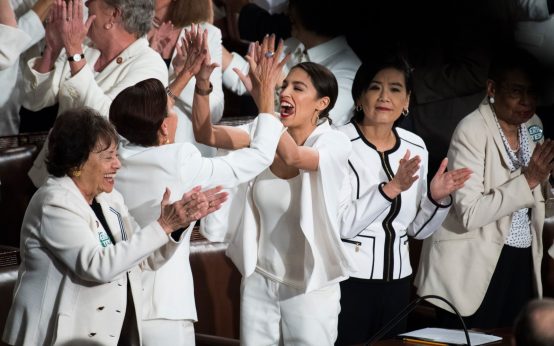 Political Wardrobes and Their Statements